How Often Should You Renovate a Bathroom Properly?
A bathroom can look “fine” for years, but small problems often build up behind the walls. This guide helps you figure out when a bathroom refresh is enough versus when a full Bathroom Renovation is the smarter move, with practical signs to watch for in Frisco, TX.
Last winter, a homeowner in Frisco noticed the grout lines around the shower were getting darker. It wasn’t dramatic at first, but every time they cleaned, the discoloration came back and the caulk looked tired again.
That is a common moment when people wonder if they should just “touch it up” or plan a proper Bathroom Remodel. The answer depends on what’s happening underneath the finishes, how the bathroom is being used, and whether moisture problems are starting to affect the structure.
This guide will help you understand the difference between a cosmetic update and a true Bathroom Renovation, what timing usually makes sense, and how to make decisions that protect your home for the long term.
- Quick answer
- What to check first
- Main things customers should understand
- Why this matters in Frisco, TX
- Common mistakes to avoid
- Customer checklist
- Frequently asked questions

Quick Answer
A “proper” bathroom renovation is usually driven by condition, not the calendar. Many homeowners start with small updates when surfaces look dated or a caulk line needs redoing. If you see recurring moisture, soft spots, persistent odors, or repeated repairs, that’s a better signal that you need a deeper Bathroom Renovation. In Frisco, TX, where bathrooms get used heavily and humidity can linger, plan your next step around what you find during inspection: fix the system first, then update finishes. A practical recommendation is to address ventilation and waterproofing early, then choose finishes that match your daily routine.
What to Check First
If you are deciding whether to renovate now, start by checking what affects performance, not just appearance. Look at the shower and tub area for cracked grout, failing caulk, loose tiles, and any discoloration that returns quickly. In the vanity zone, watch for swollen wood, warped doors, or stains around the sink base. Also check the ventilation fan and how long it takes for the room to dry after showers.
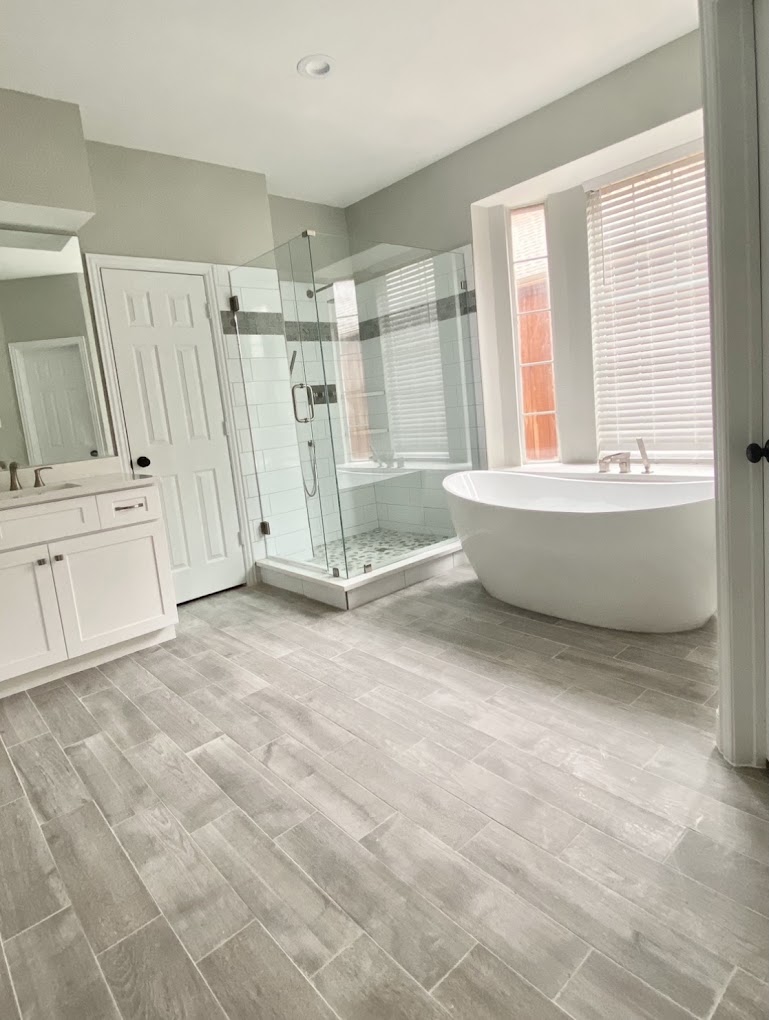
Professional observation: When the finish fails repeatedly, it often points to a waterproofing or moisture-management issue behind the wall. A proper Bathroom Remodel typically starts with correcting the cause, then you finish with tile, flooring, and fixtures.
Main Things Customers Should Understand
“How often” can be confusing because bathrooms fall into different categories. Some need a refresh to update style and function. Others require Bathroom Renovation Cost planning for repairs that protect the structure, plumbing, and waterproofing assembly. Here are the main factors Red River Renovations commonly considers when helping homeowners decide between a Small Bathroom Remodel and a deeper renovation.
1) Moisture signals
Recurring grout staining, bubbling paint, musty smells, or damp drywall after showers are strong clues. If the problem returns after cleaning, it is not just cosmetic.
2) Surface wear vs. system wear
New tile and fresh caulk can make a bathroom look new, but if the shower pan or waterproofing is failing, you may be paying twice.
3) Layout and daily use
A Bathroom Renovation is also a chance to improve workflow: storage for toiletries, safer access, and a shower setup that fits how your household uses the space.
| What you’re seeing | What it usually means | Common renovation direction |
|---|---|---|
| Outdated finishes, worn fixtures, cosmetic staining that does not return after thorough drying | Often a style and function update | Bathroom remodel with focused updates like Shower Remodel finishes and fixture upgrades |
| Cracked grout, failing caulk, discoloration that keeps coming back, or recurring dampness | Potential moisture intrusion | Bathroom Renovation that prioritizes waterproofing and substrate fixes before tile installation |
| Loose tiles, soft areas near wet zones, or visible damage around the shower/tub | Possible system wear behind the wall | Deeper renovation with structural and plumbing considerations as needed |
| Limited storage, awkward access, or a layout that does not support mobility or routines | Opportunity for practical improvements | Small Bathroom Remodel or Master Bathroom Remodel planning for better storage and flow |
Why This Matters in Frisco, TX
In Frisco, TX, homeowners often notice that bathrooms can feel “fine” for a while, then moisture-related issues show up around tile and grout. That is because showers create repeated wet-dry cycles, and bathrooms that do not dry quickly can develop recurring problems even when the surface still looks acceptable. A proper renovation helps manage moisture at the source, not just cover it with new finishes. If your home is older or the bathroom has had patchwork repairs, a Bathroom Remodel is often the moment to reset the system so the next update lasts.
Local planning tip: If you’re considering a Tub to Shower Conversion, prioritize airflow and waterproofing details before selecting tile and fixtures. The goal is a shower that dries reliably and holds up to frequent use.
Ready to decide what kind of bathroom renovation you actually need?
Red River Renovations can help you evaluate whether your bathroom calls for a refresh or a deeper Bathroom Renovation. Start with a quick conversation and we’ll point you toward the next practical step.
Contact Red River RenovationsCommon Mistakes to Avoid
Many homeowners try to save time or budget by focusing only on what looks worn. The risk is that you can end up covering a moisture issue that is still active. Here are common mistakes that lead to more work later, especially in bathrooms where water exposure is constant.
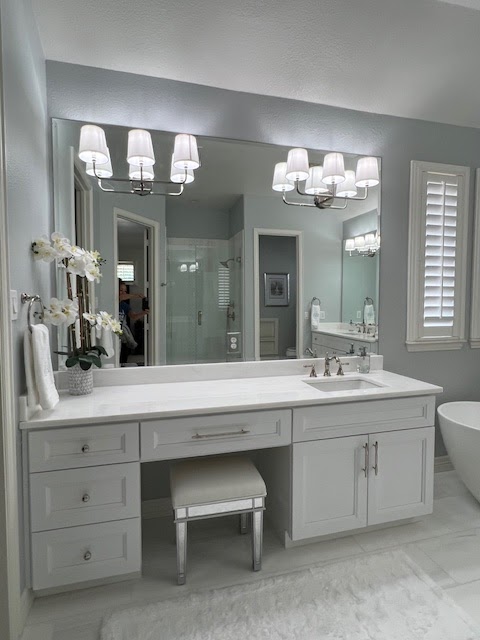
- Replacing finishes before addressing moisture sources so the new tile and caulk fail again.
- Ignoring ventilation performance and assuming a fan is “good enough” without checking how well the room dries after showers.
- Underestimating the impact of small leaks around plumbing fixtures, which can affect adjacent materials over time.
- Choosing a layout based on style alone without considering storage, accessibility, and daily traffic flow.
- Skipping a practical inspection when you suspect the shower or tub surround has recurring issues.
Customer Checklist
If you want a clear path forward, use this checklist to plan your next decision. Bring it to your call or keep it handy while you walk through the bathroom. This approach helps you separate “cosmetic update” from “proper renovation” based on what you can verify.
Moisture & surfaces
- Check shower grout and caulk for cracks, gaps, or discoloration that returns.
- Inspect around the tub edge and any penetrations (valves, fixtures, drains).
- Look for soft spots or swelling near the vanity base.
Drying & ventilation
- Confirm the bathroom fan runs properly and helps the space dry after use.
- Notice whether condensation lingers on mirrors, walls, or ceilings.
- Observe how quickly the area returns to dry during typical routines.
Layout & function
- List what frustrates you most: storage, access, lighting, or shower setup.
- Decide whether you want a Shower Remodel change like a walk-in style.
- Note whether you want updates that pair well with Bathroom Tile Installation.
Representative Scenario
Imagine a family with a small hall bathroom in Frisco, TX. They liked the current layout, but after several months of cleaning, the grout lines around the shower started to look stained again. They also noticed the fan seemed to run, but the room stayed humid longer than it should. Instead of doing another quick caulk job, they chose a proper Bathroom Renovation approach: correct the moisture-management details in the shower area first, then update the surfaces. The result was a bathroom that looked cleaner and stayed drier after regular use, which is the real goal of a lasting Small Bathroom Remodel.
Frequently Asked Questions
Do I need a full bathroom renovation on a set schedule?
No. A “proper” renovation is usually driven by condition and performance. If your bathroom has intact waterproofing, good ventilation, and finishes that are holding up, you may only need a refresh. If you see recurring moisture, failing grout or caulk, persistent odors, or signs of damage near wet zones, that’s a better indicator that a deeper Bathroom Renovation is needed. A practical approach is to inspect the shower and tub areas first, because those are the most common sources of hidden problems.
What are the earliest warning signs that my shower needs more than a cosmetic update?
Early signs include cracks in grout lines, caulk that keeps failing, discoloration that returns after cleaning, and areas that feel damp longer than expected after showers. You might also notice loose or uneven tile, or damage around plumbing fixtures. These patterns suggest the issue may be behind the wall, not just on the surface. If you’re weighing Bathroom Remodel vs. Bathroom Renovation Cost, it’s often more cost-effective to correct the cause first so the new tile and finishes can last.
How do I decide between a Tub to Shower Conversion and keeping the tub?
Consider how your household uses the bathroom. A Tub to Shower Conversion can improve daily convenience and may fit better if you rarely bathe. If you need a tub for families or specific routines, keeping it can make sense, and you can still do a Shower Remodel style refresh around the tub surround. Either way, the decision should also factor in moisture management and ventilation, because the wet zone details are what determine whether your renovation holds up over time.
Can I renovate just part of the bathroom?
Often, yes. Many homeowners start with targeted updates like Bathroom Tile Installation in the shower, new flooring, or Kitchen-style cabinet changes for storage in the vanity area. However, partial work is only a good plan when the underlying system is in good shape. If moisture is actively causing damage, limiting the scope can lead to repeated repairs. A practical next step is to check for performance issues first, then choose the smallest renovation scope that fixes the cause.
What should I ask a home remodeling contractor before committing?
Ask what they will inspect in the shower and tub areas, how they approach moisture management, and what work is necessary versus optional based on what they find. You can also ask how the renovation plan supports your goals, such as a Small Bathroom Remodel for better flow or a Master Bathroom Remodel for improved comfort. If you’re comparing Bathroom Remodel Cost and Bathroom Renovation Cost, request clarity on what’s included in the scope so you can make a decision based on the actual needs of your bathroom.
Get a renovation plan that fits your bathroom’s real condition
If you’re in Frisco, TX and trying to decide whether to refresh or renovate properly, start with an honest assessment. Red River Renovations can help you map out Home Remodeling Services that align with your goals and the issues you’re seeing.
(214) 492-9480
About Red River Renovations
Red River Renovations is a home remodeling team serving Frisco, TX & surrounding areas. Our focus is practical, customer-friendly Bathroom Remodel and Kitchen Remodel work, including Bathroom Renovations, Shower Remodel updates, Walk-In Shower Installation planning, and Tub to Shower Conversion projects. If you are also considering broader interior changes, you can explore our portfolio and about our process, or browse bathroom photos to see examples of Bathroom Tile Installation and finish details.
For questions or next steps, you can reach us through our contact page.