
How Often Should You Plan Full Home Renovations
If your Frisco, TX home feels “almost right” but not quite usable, you are probably wondering whether it is time for a full home renovation or just targeted updates. This guide helps you plan renovation timing based on how your home performs today, what typically wears out first, and what signals mean you should move from patchwork to a coordinated whole-house plan.
If you have ever looked at your kitchen and bathroom and thought, “We keep updating one room, but the whole house still feels disconnected,” you are not alone. Many homeowners in Frisco start with a kitchen remodel or a bathroom refresh, then later realize the layout, finishes, and even the flow between spaces still do not work for everyday life.
The tricky part is that “full home renovation” is not a calendar date. It is a decision tied to your home’s condition, your family’s needs, and how much disruption you can realistically handle. This guide will help you understand what usually triggers a whole-house renovation, how often you may need to plan one, and how to choose a practical path forward in Frisco, TX.
- Quick answer
- What to check first
- Main things customers should understand
- Why this matters in Frisco, TX
- Common mistakes to avoid
- Customer checklist
- Frequently asked questions
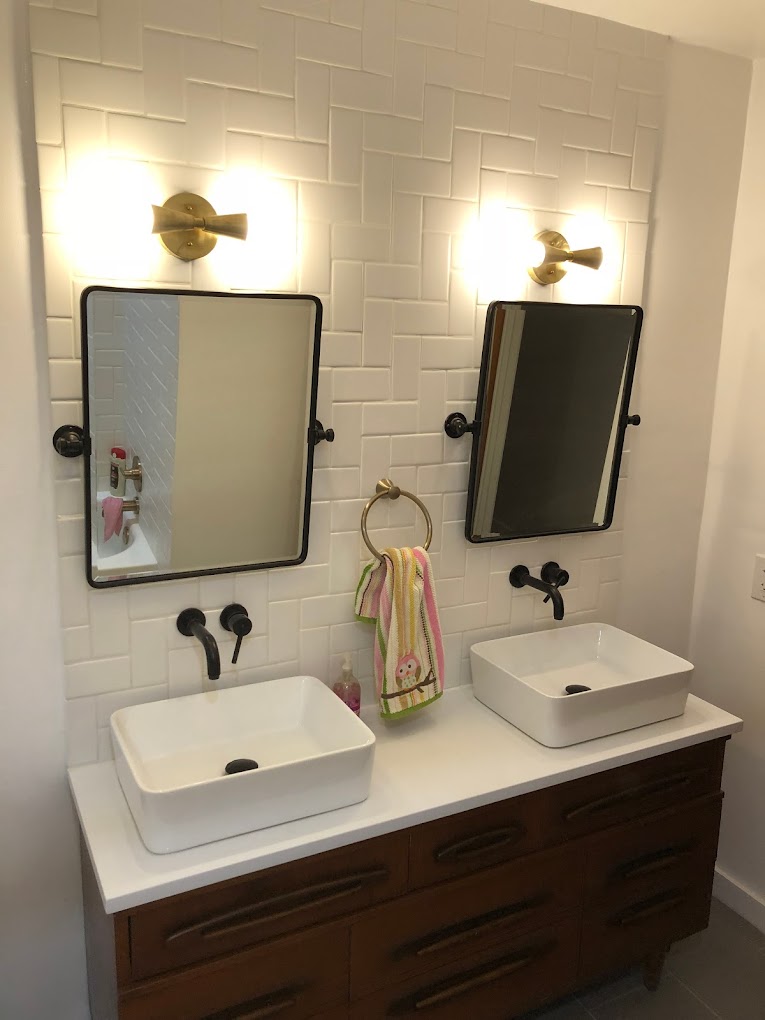
Quick Answer
Most homeowners do not need a full home renovation on a strict schedule. A practical rule is to plan around major “system + layout” wear and change, such as when multiple rooms share the same underlying issue (aging cabinets and countertops, dated flooring, or repeated moisture and ventilation problems). If your kitchen remodel and bathroom remodel are starting to feel like stopgaps, that is often a sign you should consider a whole house plan. Start by assessing what is failing first, then decide whether full home renovation makes sense or whether phased home remodeling services will fit better.
What to Check First
Before you decide how often to plan full home renovations, check for the root causes that make multiple rooms feel “unfinished.” When the same problem shows up in different spaces, you usually get better results by addressing it together rather than repeatedly remodeling around it.

Condition issues
Look for recurring floor sagging, cabinet swelling, cracked tile, or recurring paint failures. These can point to moisture, subfloor movement, or ventilation problems that affect more than one room.
Layout friction
If you keep bumping into the same daily frustration, like poor storage flow or cramped work zones, a whole house renovation may solve more than a single-room refresh.
Budget reality
Full home remodels are disruptive. If you are trying to balance work schedules and family routines, phased interior renovation can still move you forward without overhauling everything at once.
Main Things Customers Should Understand
When people ask how often they should plan full home renovations, what they usually mean is: “When do I stop patching and start planning for a coordinated upgrade?” In practice, there are a few consistent factors that influence the timing of a whole house renovation.
| What you are seeing | What it often means | Typical planning approach |
|---|---|---|
| One room looks dated, but everything else functions well | Cosmetic aging may be isolated to that space. | Kitchen renovation ideas or bathroom renovations as targeted home remodeling services. |
| Two or more rooms share the same underlying problem | Systems or layout issues are showing up throughout the home. | Consider a whole house renovation plan to avoid repeated demo and rework. |
| Storage and daily flow are consistently frustrating | You may need better room transitions, not just new finishes. | Plan a coordinated interior renovation or open concept renovation where it fits your home. |
| Moisture-related symptoms keep returning | Ventilation, waterproofing, or substrate issues may be unresolved. | Schedule the bathroom renovation first, then align the rest of the home improvements to match. |
| You are outgrowing the current footprint | Needs changed faster than the house design. | Explore home additions, room addition cost planning, or whole house remodel sequencing with structural home renovations as needed. |
Professional observation: The most expensive “timing mistake” is remodeling one room, then discovering later that the next renovation requires redoing the same flooring, electrical paths, plumbing lines, or cabinet base work. When you plan full home renovation timing with the end state in mind, you reduce that cycle.
Why This Matters in Frisco, TX
Frisco homes come in many ages and styles, but many neighborhoods share a common reality: households tend to grow, routines get busier, and updates often start with the rooms you use most. That is why kitchen remodel and bathroom remodel decisions tend to ripple into other spaces like hallways, flooring installation areas, and even entryway transitions. If your home in Frisco, TX is showing wear in multiple high-traffic zones, planning the timing of a full home remodel sooner can prevent you from paying for repeated “almost right” work later.
Local planning tip: If you are considering a kitchen remodel and a bathroom renovation in the same year, align finishes and flooring installation decisions early. That coordination matters for continuity and for avoiding last-minute changes when cabinets, countertops installation, tile installation, or shower remodel waterproofing timelines overlap.
Common Mistakes to Avoid
Even careful homeowners can fall into predictable traps when planning full home renovations. The goal is not to avoid change. It is to avoid unnecessary rework and decision fatigue.
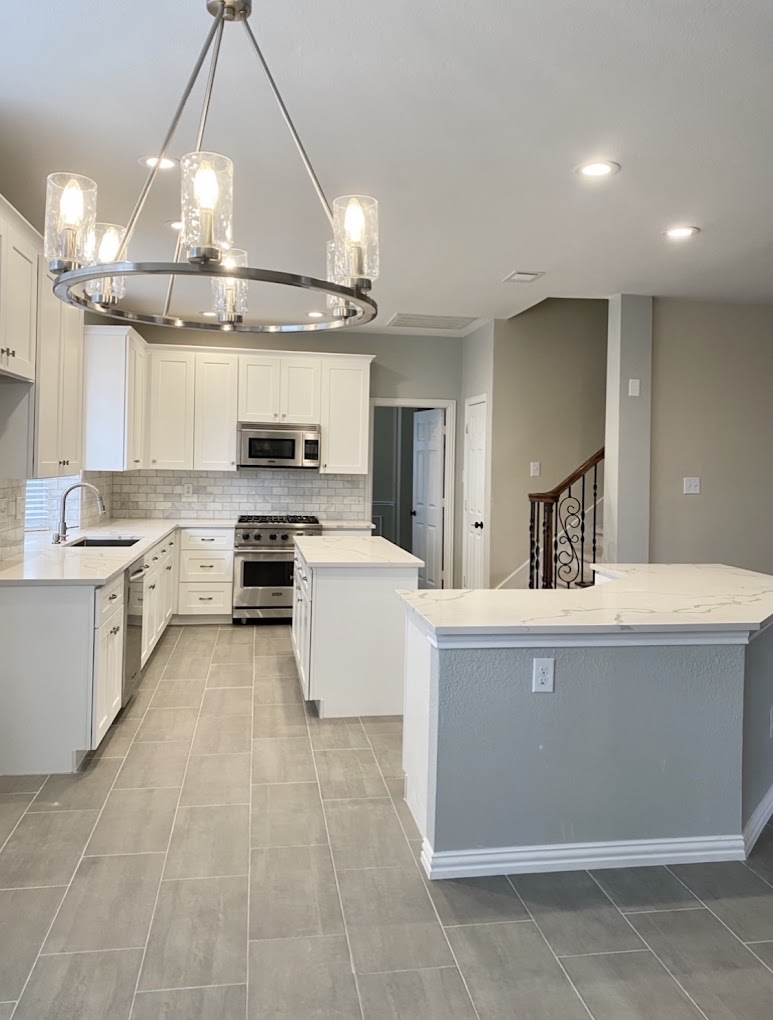
- Waiting too long to address system issues. If you are seeing recurring bathroom tile cracks or shower problems, delaying can make the later bathroom renovations more disruptive.
- Choosing finishes without a renovation sequence. Cabinet installation, countertop installation, backsplash installation, and flooring installation often lock you into a timeline. Pick finishes while you still have flexibility.
- Forgetting how one remodel affects another. A kitchen renovation can change traffic flow, lighting plans, and where you can comfortably do electrical and plumbing updates.
- Assuming “full home” means doing everything at once. A whole house renovation can be phased. The key is having a coordinated plan so each step supports the next.
- Underestimating how layout impacts value and comfort. If you are remodeling for daily usability, focus on room transitions, storage, and practical zones, not only aesthetics.
Customer Checklist
Use this checklist to decide whether you should plan a full home renovation now, later, or in phases. It is designed to help you make a practical decision based on your home’s needs and your household schedule.
Timing signals
Circle the items that match your home: multiple rooms feel outdated together, repeated repairs are happening, or you are planning kitchen cabinet replacement and bathroom renovations that will affect adjacent areas.
Scope clarity
List what you want to change: kitchen renovation ideas (layout, cabinets, countertops), shower remodel or tub to shower conversion, flooring installation, and any interior renovation needs.
Sequencing questions
Decide what must happen first: structural work, plumbing and electrical paths, then tile installation and finish work. Sequencing helps you avoid redoing completed surfaces.
Plan a practical whole-home path
If you are weighing a full home renovation versus focused updates, Red River Renovations can help you map a sensible sequence for your Frisco, TX home remodeling goals.
Contact Red River RenovationsA representative scenario (how timing often plays out)
Imagine a family in Frisco, TX who starts with a small kitchen remodel. They replace cabinets and plan new countertops and a fresh backsplash installation. After demo, they realize the flooring needs replacement across the adjacent living room to keep the transition clean. A few months later, they notice the master bathroom remodel they planned is harder than expected because the shower remodel area needs improved waterproofing and the surrounding finishes must be coordinated. In this case, the homeowner does not necessarily need everything redone immediately, but they benefit from shifting to a coordinated interior renovation plan so kitchen renovation cost and bathroom renovation cost decisions work together instead of competing for budget and timelines.
Frequently Asked Questions
Do most homeowners renovate their whole house on a set schedule?
Not usually. Full home renovation timing is more practical when it is driven by condition and usability, not by a calendar. Many homeowners schedule targeted updates like a kitchen remodel or bathroom renovations first, then move toward a whole house plan when multiple rooms show related issues. If your home remodeling services needs keep overlapping, planning a coordinated whole house renovation can help reduce repeated demo and rework.
How do I know if I should choose a full home renovation or a phased approach?
A phased approach often works when the rooms you want to update first are clearly independent. Consider a more coordinated whole house renovation when your goals connect, such as matching flooring installation across multiple areas, aligning kitchen cabinet installation with adjacent lighting and traffic flow, or resolving bathroom renovation cost drivers that affect more than one surface. If you are unsure, start with what needs to be fixed first, then plan the sequence around it.
Is it smarter to do the kitchen remodel before the bathroom renovation?
Often, yes, if the kitchen cabinet replacement or countertop installation timing will shape the rest of the renovation sequence. However, the best order depends on what is failing first. If your bathroom renovations involve a shower remodel, tub to shower conversion, or moisture-related concerns, that may need to come earlier to prevent ongoing issues. In many plans, the key is coordinating plumbing and electrical paths and then sequencing tile installation and finish work efficiently.
What are the most common “timing” problems homeowners run into?
The most common problems show up when finishes are chosen without a renovation sequence. For example, updating cabinets and countertops without aligning flooring installation can force changes later. Another common issue is remodeling one room before resolving underlying moisture or ventilation concerns in a bathroom renovation, which can make future shower remodel work more disruptive. A clear plan for order of operations helps keep kitchen renovation cost and bathroom remodel cost decisions from repeating.
Where can I see examples of the kind of work Red River Renovations does?
You can browse the company’s portfolio for a sense of how projects are planned and finished. If you want to focus on a specific area first, you can also review kitchen remodel photos and bathroom remodel photos to help you visualize what a coordinated plan can look like in real homes.
Ready to plan your next step?
If your Frisco, TX home is heading toward a whole house renovation, Red River Renovations can help you decide what to tackle first and how to sequence kitchen renovation ideas, bathroom renovations, and structural home renovations so the work supports the bigger plan.
Call (214) 492-9480
About Red River Renovations
Red River Renovations is a home remodeling team serving Frisco, TX and surrounding areas. The focus is on practical planning and customer-friendly craftsmanship for projects like kitchen remodels, bathroom remodels, whole house renovation, and additions such as room addition and garage conversion planning. Explore the team’s about page to learn more about how they approach home renovation services.