If your room addition, garage conversion, or basement renovation has been standing for a while, you may be wondering when it needs more than simple touch-ups. This guide explains the real-world signs that it is time for a major update, what typically drives timing, and how to plan updates so your home stays comfortable, functional, and consistent.
You planned the addition to solve a specific problem. Maybe it was a room addition for growing family needs, a garage conversion into a usable living space, or a master bathroom remodel to make mornings smoother. At first, everything felt fresh.
Then life happens. Doors start sticking, the HVAC struggles to keep the new space comfortable, finishes look tired, and you notice small alignment or water-related issues that were easy to ignore. In Frisco, TX, temperature swings and humidity can also make materials age at different rates across the original and added portions of the home.
This guide helps you understand how often home additions typically need major updates, what to check first, and how to decide between targeted renovations versus a bigger refresh.
- Quick answer
- What to check first
- Main things customers should understand
- Why this matters in Frisco, TX
- Common mistakes to avoid
- Customer checklist
- Frequently asked questions
Quick Answer
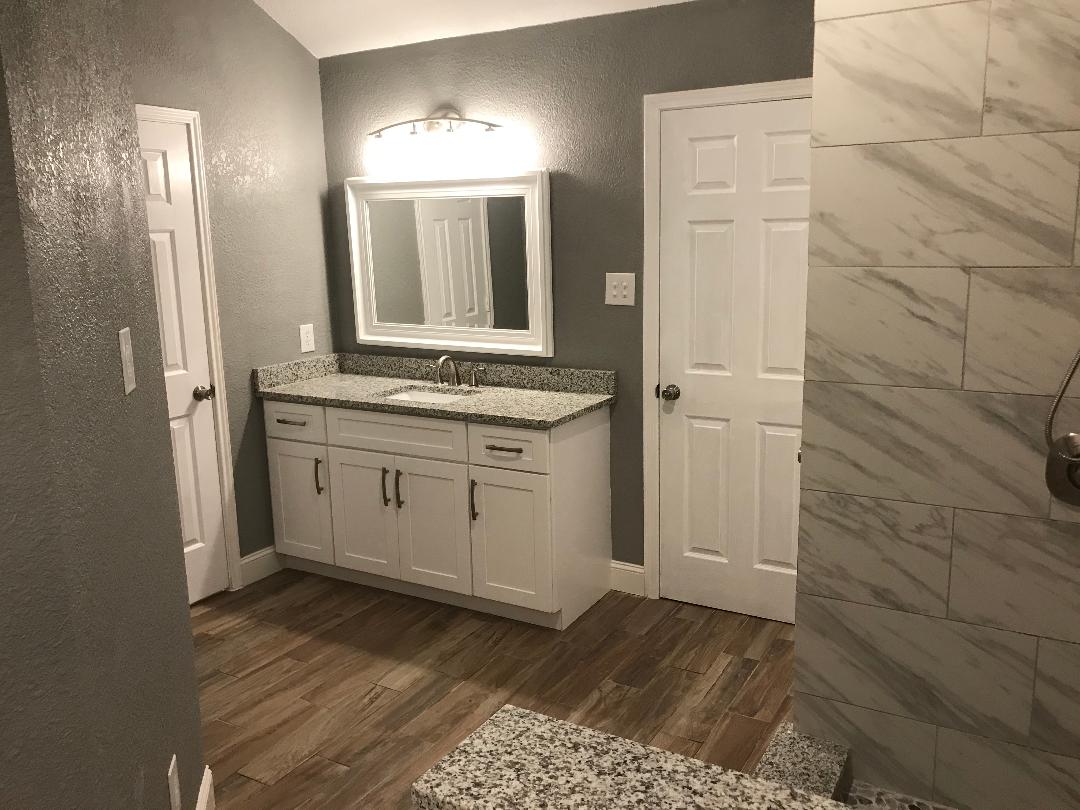
Most home additions do not need a full “redo” on a fixed calendar. Instead, they need major updates when wear patterns show up across finishes, moisture control, and structural or mechanical performance. A practical rule is to plan smaller refreshes as materials age (paint, caulking, flooring wear, and lighting updates), then consider a major renovation when you are seeing repeated comfort issues, recurring leaks or ventilation problems, or noticeable mismatch between the addition and the rest of the home. Start with the high-impact systems first, then align surfaces and layouts for a consistent result.
What to Check First
If you are trying to decide whether your addition needs a major update, begin with the “invisible” items that affect everything else: moisture movement, ventilation, insulation performance, and how well the space holds temperature. When those are off, even new flooring or cabinets will not stay looking good.
1) Moisture and sealing
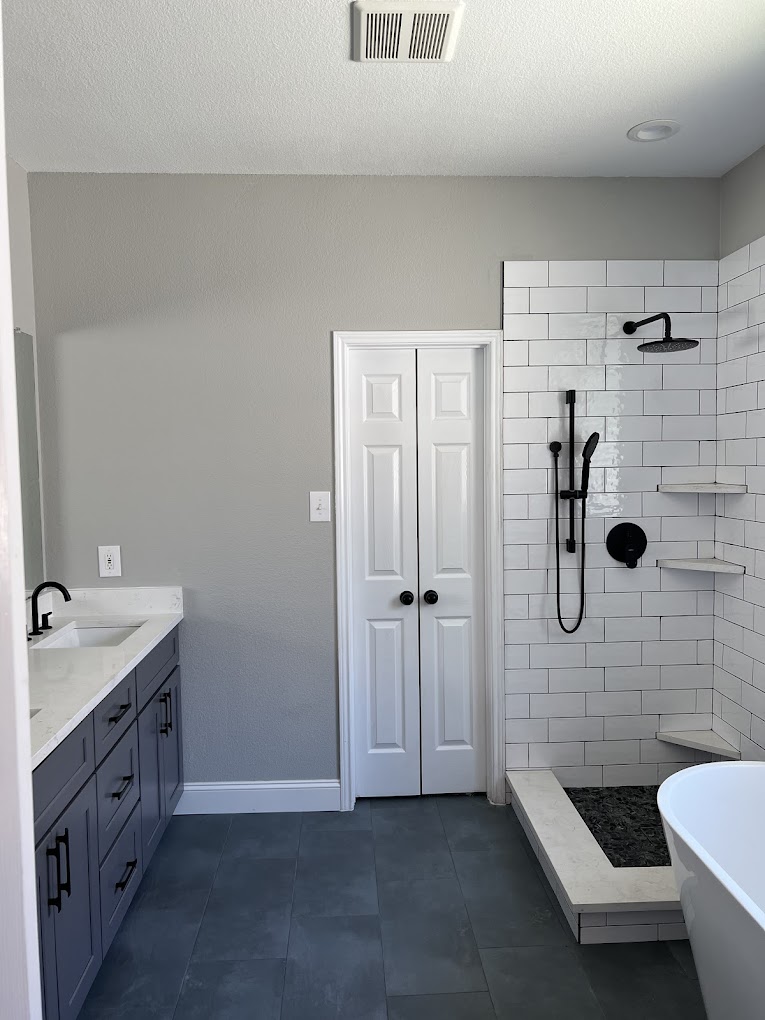
Look for water staining, bubbling paint, soft drywall, or recurring musty odors. Pay attention to bathrooms, laundry areas, and any exterior wall lines where transitions meet the original home.
2) Comfort and airflow
Notice which rooms run hotter or colder. Check whether registers are balanced and whether return airflow is adequate. Comfort problems often point to insulation or ducting changes.
3) Movement and fit
Doors that rub, cracks that reappear, and gaps around trim can indicate settling or installation differences between the original structure and the added section.
Main Things Customers Should Understand
There is no single “right” interval for major updates because additions age differently depending on how they were built and how they are used. Still, there are common drivers that help you estimate when a bigger renovation makes sense.
Professional observation: Additions often look fine from the street, but the real aging shows up at transitions. When the addition meets the original home, you may see differences in airflow, insulation layers, and how finishes expanded and contracted over time.
| What you are seeing | Likely implication | Update direction to consider |
|---|---|---|
| Recurring temperature swings in the addition | Insulation, ventilation, or ducting may not be performing as intended. | Assess mechanical performance first, then update finishes so the space feels consistent. |
| Cracks that keep returning near trim or corners | Movement or different material behavior between old and new sections. | Address the cause, then plan a trim and surface refresh for a clean look. |
| Visible wear on flooring, cabinets, or countertops | Normal aging from day-to-day use. | Targeted renovation (for example, flooring installation or kitchen cabinet replacement) may solve it. |
| Moisture issues near showers, tubs, or exterior walls | Water management and sealing may need attention. | Bathroom renovations or shower remodel work is often the more effective fix than cosmetic touch-ups. |
| Lighting and layout feel “bolted on” | Different planning between the original and added space. | A room addition refresh can include open concept renovation planning, better traffic flow, and updated finishes. |
What “major updates” usually include
When homeowners in Frisco, TX decide it is time for a larger update, it is often because they want the addition to work as a true part of the home. That can involve:
- Interior remodeling contractors coordination across multiple trades so the space functions as one system.
- Kitchen renovation ideas or custom kitchen remodel updates if the addition includes a new cooking area.
- Bathroom renovations such as a shower remodel, walk-in shower installation, or tub to shower conversion when moisture management matters most.
- Whole house renovation alignment work when the addition changed how rooms connect and move.
A firsthand-style way to think about timing
In the field, the biggest “tell” is whether the addition’s problems keep showing up after small fixes. For example, if you repaint but the wall still feels damp, or you swap fixtures but the room still smells humid, the issue is usually deeper than the finish. That is when a major update becomes practical, because it stops the cycle and makes the space feel right for the long term.
Why This Matters in Frisco, TX
Frisco homes often include newer construction alongside older sections, and many properties are designed around changing family needs. In this area, seasonal humidity and temperature swings can also highlight differences between the original building envelope and the added portion. When insulation layers, ventilation paths, or sealing details do not match, the addition can age faster in comfort and finishes.
Local insight: If your addition is an extra bedroom, living room renovation space, or a garage conversion into a more frequently used area, you may notice comfort issues sooner than you would in a rarely used room. Planning updates around how the space is actually lived in helps your improvements last.
Common Mistakes to Avoid
Homeowners usually do not plan to make mistakes, but a few missteps can turn a simple refresh into a repeated problem. Avoiding these helps you choose the right scope.
- Waiting on moisture signals: If you see staining, soft drywall, or persistent smells in a bathroom or near exterior transitions, delaying often increases the amount of repair needed later.
- Fixing finishes before systems: Replacing flooring installation or updating countertops is not the best first step if the addition cannot maintain temperature or control humidity.
- Ignoring the “transition line”: The seam where the addition meets the original structure is where movement, airflow, and sealing differences show up most often.
- Overlooking layout and lighting: Even well-built rooms can feel awkward if kitchen cabinet installation, traffic flow, or lighting placement was designed for a temporary plan.
Customer Checklist
Use this checklist to decide whether you are looking at a small refresh or a renovation that should include deeper updates. If you can check multiple items, it is usually a sign you will get more value by addressing the root cause.
- You notice recurring comfort issues (hot or cold spots) in the addition.
- You see moisture signs such as staining, bubbling, or recurring odors.
- Doors, trim, or corners show repeated cracking or gaps after patching.
- Lighting feels outdated or the room’s layout is not working for your daily routines.
- Finishes wear faster than expected, especially near wet areas or exterior walls.
- You want the addition to blend better with the rest of the home’s style and materials.
Representative Scenario
A homeowner in Frisco, TX had a room addition built a few years earlier for a growing family. Over time, the new living space stayed noticeably warmer in the afternoons, and the bathroom area added to the project developed a recurring humidity smell. They first tried surface-level fixes, but the comfort and moisture concerns returned. After a more thorough review, the renovation plan shifted from cosmetics to targeted improvements, then the finishes were updated to match the rest of the home. The result was a space that felt consistent and comfortable instead of “patched” over time.
Want help deciding whether your addition needs a refresh or a deeper renovation?
If you are weighing kitchen remodel vs. bathroom remodel timing, or wondering whether a room addition should be updated now, Red River Renovations can help you map the right scope for your goals in Frisco, TX.
Contact Red River RenovationsFrequently Asked Questions
How often should a home addition get updated?
Most additions do not follow a strict schedule. Instead, you should plan updates based on what is aging and why. If you see recurring moisture issues, comfort problems, or repeated cracking at transitions, that is a strong signal the addition needs a deeper renovation rather than occasional touch-ups. For purely aesthetic wear, smaller updates like paint, lighting, or flooring installation can be enough. A practical approach is to start with systems and moisture control, then update finishes for a cohesive result.
What are the first signs my addition needs major work?
Common early signs include persistent musty odors, staining or bubbling near wet areas, and comfort problems that do not improve after minor adjustments. You may also notice doors rubbing, trim gaps returning, or cracks that reappear after patching. If finishes are wearing faster than expected, especially near showers or exterior walls, that can point to sealing or ventilation issues. When multiple signs show up together, it usually makes sense to evaluate the addition as an integrated part of the home.
Do kitchen remodels or bathroom remodels change how long an addition lasts?
They can. Kitchen renovation cost and bathroom remodel cost are often driven by what is underneath the surfaces. If a bathroom or kitchen update includes improvements to water management, ventilation, and layout, it can reduce the chance of recurring problems and extend the useful life of the space. For example, a shower remodel that addresses proper waterproofing and drainage can help prevent moisture-related deterioration. Similarly, kitchen cabinet replacement or countertop installation paired with correct planning can reduce maintenance issues and improve day-to-day function.
Is a garage conversion ever “too far gone” to update?
Garage conversions can often be updated, even after several years, because the key is identifying what changed over time. Many garage conversion challenges show up as comfort issues, ventilation gaps, or finish wear due to how the space was originally built. A targeted plan can address insulation and airflow first, then move into interior renovation updates like flooring installation, lighting, and room layout improvements. If your conversion includes a bathroom or shower remodel area, moisture management becomes even more important to check.
Should I update the addition to match the rest of my home?
Usually, yes. When an addition looks “separate,” it is often because materials, lighting, and layout were chosen without fully blending with the existing rooms. Updating finishes and details can help the addition feel intentional instead of bolted on. This is especially helpful if you are planning a whole house remodel or aligning the home’s style across multiple rooms. If you are starting with a kitchen renovation or bathroom renovation, matching elements like cabinetry, tile installation, and flooring installation can create a smoother overall transition.
Ready to plan the right next step for your home addition?
Tell us what is happening in your Frisco, TX home. Red River Renovations can help you choose a scope that fits your goals, whether you are considering a room addition update, a basement renovation refresh, or a more targeted bathroom remodel.
(214) 492-9480
Red River Renovations
Red River Renovations provides home remodeling services in Frisco, TX and nearby areas, helping homeowners plan and execute updates for additions, kitchens, bathrooms, and interior renovation projects. If you are comparing kitchen remodel vs. bathroom remodel timing, reviewing home addition plans, or updating spaces after a garage conversion or room addition, we focus on practical solutions that make the finished areas feel cohesive and comfortable.
Explore examples of past work like the portfolio, learn more about our process via the about page, or browse kitchen remodel photos. For bathroom-focused projects, visit bathroom remodel photos.