

How Often Should You Plan Home Remodeling Updates
A practical schedule for knowing when to refresh finishes, update high-use areas, and plan bigger projects like kitchen remodels, bathroom renovations, and room additions in Frisco, TX.
A few months after moving into your home in Frisco, TX, you might notice the same pattern: the kitchen is still functional, but the layout feels dated, the cabinets show wear, and the surfaces never quite look “finished.” Then the bathroom starts to feel like the weak link, especially around the shower or tub where daily use adds up quickly.
Most homeowners are not sure whether they should do small refreshes every year or wait for a full remodel. This guide helps you set a realistic update rhythm by focusing on wear, performance, and how your household uses each room. You will also learn what to check first, which changes typically pay off for everyday living, and when it makes sense to plan a larger kitchen remodel, bathroom remodel, or home addition.
- Quick answer
- What to check first
- Main things customers should understand
- Why this matters in Frisco, TX
- Common mistakes to avoid
- Customer checklist
- Frequently asked questions
Quick Answer
Plan home remodeling updates in two layers: quick refreshes when finishes show wear, and larger improvements when performance or layout becomes a real daily problem. For many Frisco, TX homeowners, a light refresh timeline often lands in the 3 to 7 year range (think paint, hardware, lighting, and surfaces), while kitchens and bathrooms are commonly reviewed closer to the 7 to 15 year mark depending on use and condition. A smart starting point is to inspect the “high-traffic zones” first, then prioritize upgrades that reduce maintenance and make daily routines easier.
What to Check First
Before you plan a timeline, walk through your home and separate “cosmetic tired” from “functionally behind.” In practice, that means looking for areas where moisture is involved, storage no longer works, or the layout creates friction. Start with the rooms that get used every day, then check the systems and details that affect how long the remodeling work will last.
Kitchen friction
Cabinet doors that stick, poor workflow, and worn countertops are usually the first signs you need kitchen renovation ideas that improve daily efficiency.
Bathroom wear
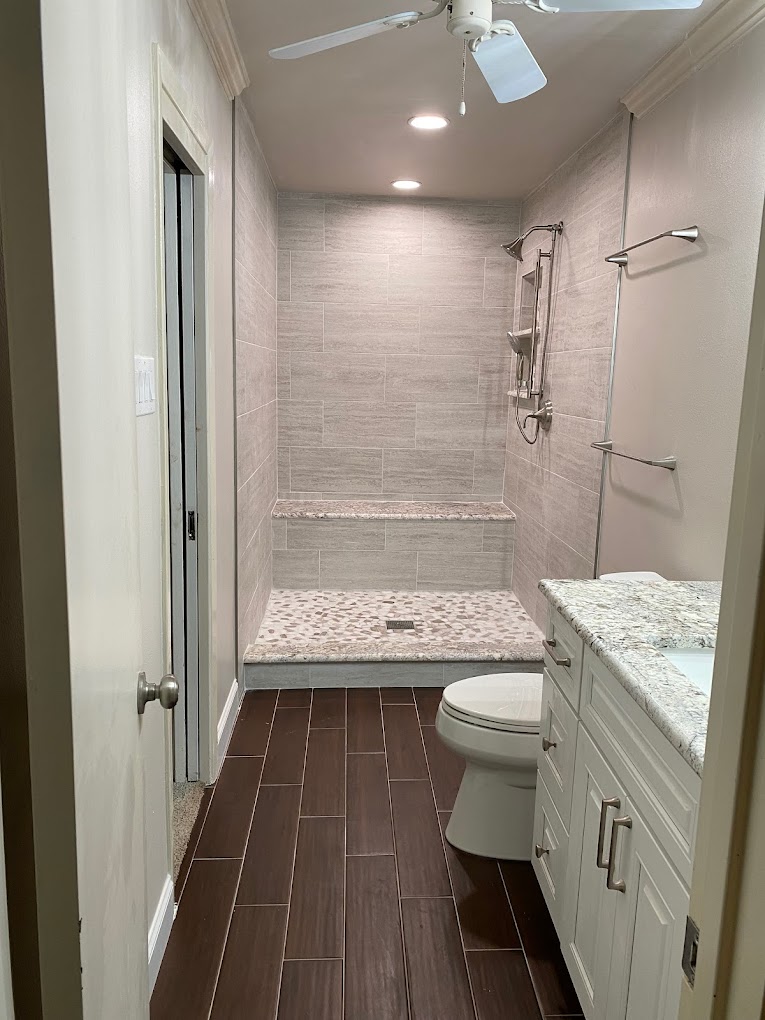
Cracked caulk, grout discoloration, or lingering shower issues can point to a need for bathroom tile installation, shower remodel work, or a tub to shower conversion.
Storage and surfaces
If storage and finishing materials feel dated, kitchen cabinet installation or replacement, plus flooring installation, may help without immediately jumping to a full home remodel.
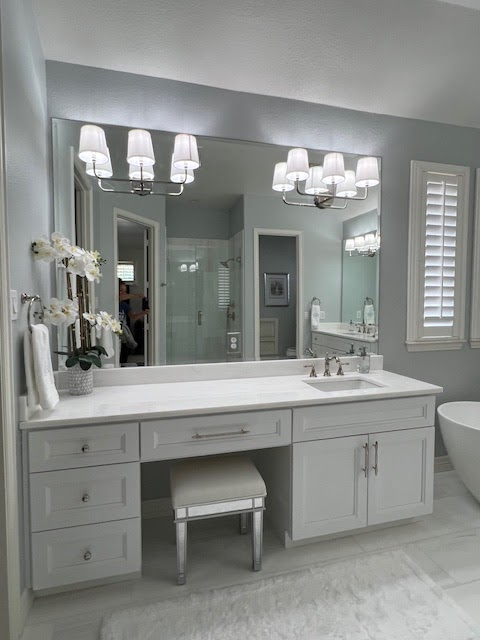
One local decision point we see often in Frisco is how homeowners handle moisture-prone surfaces. If a shower or tub area has been patched repeatedly, it can cost more over time than planning the right bathroom renovations once. When you are ready to compare kitchen and bathroom finishes side by side, it helps to review real project examples like kitchen remodel results and bathroom renovation photos.
Main Things Customers Should Understand
The “how often” question depends on use, condition, and what you want the space to do for you. A kitchen remodel is not just about style. It is also about how you move, store, prep, and clean. A bathroom remodel is not just about looks either. It is about water management, durability, and comfort. Here is a practical way to think about it.
Professional observation: Many homeowners in Frisco can stretch the timeline on purely cosmetic updates, but they usually cannot stretch the timeline on moisture-related problems in kitchens and bathrooms. If you are seeing recurring issues, plan sooner rather than later so the next round of work is more complete.
| Area or Update Type | When to Review | What Usually Triggers a Remodel |
|---|---|---|
| Kitchen refresh (lighting, backsplash installation, countertops) | About every 3 to 7 years | Visible wear, outdated color scheme, surfaces that are hard to keep looking clean |
| Kitchen remodel (cabinet installation or replacement, flooring, layout improvements) | About every 7 to 15 years | Storage and workflow issues, damaged or aging cabinetry, repeated countertop repairs |
| Bathroom refresh (fixtures, paint, minor tile work) | About every 3 to 7 years | Faded finishes, worn hardware, minor caulk or grout issues |
| Bathroom renovation (shower remodel, walk-in shower installation, tub to shower conversion) | About every 7 to 15 years | Moisture concerns, frequent maintenance, layout changes needed for daily routines |
| Whole house renovation planning (interior renovation, structural home renovations, or full remodel) | When multiple rooms feel mismatched or when living needs change | Growing family, accessibility needs, major layout constraints, or consistent updates across rooms |
Local workflow: how we recommend deciding next steps
In most homes, the best schedule is not a single date. It is a sequence. You can start with smaller home improvement contractors work that improves function, then plan the bigger steps once you know how you want the space to live. For example, many homeowners begin with kitchen cabinet replacement or countertop installation, then follow with flooring installation and backsplash installation when the final look is clear.
If you are weighing larger projects like home additions or room addition plans, the timeline should reflect how quickly your household needs more space. A kitchen remodel can make daily life better right away, but an addition can change the layout of the entire home. That is why it helps to discuss options and sequencing early, especially when you are considering a garage conversion or basement renovation.
Why This Matters in Frisco, TX
Frisco homes are often designed around family life and entertaining, which means kitchens and bathrooms see heavy daily use. Over time, that regular activity shows up as worn surfaces, aging fixtures, and storage that no longer fits how people actually cook, store, and get ready. Because you want daily routines to stay smooth, planning updates for these high-use rooms tends to be the most noticeable improvement.
A firsthand pattern we see is that homeowners sometimes wait for the “big moment,” like a full home makeover services project, and then discover small issues turned into bigger ones. For instance, a shower area that has needed repeated touch-ups can become a larger bathroom renovations scope once water management is addressed properly. In Frisco, where seasons can swing and homes are lived in year-round, planning for durability helps your updates stay looking good longer.
Helpful local resource
If you want to see how Red River Renovations approaches design and remodeling services across different spaces, browse our portfolio for examples that may match your timeline and priorities.
Ready to map your remodeling timeline?
Tell us which rooms you want to update first. We can help you think through a practical sequence for bathroom remodel, kitchen remodel, or a home addition so your plan fits how you live in Frisco.
Contact Red River RenovationsCommon Mistakes to Avoid
Most scheduling mistakes come from guessing instead of checking. Homeowners often plan updates based on trends rather than condition, or they underestimate how layout and moisture affect long-term results. Here are the most common issues that slow projects down or create extra work.
1) Choosing a remodel date before you know what needs to be fixed. If moisture-related problems are present, cosmetic updates alone can leave you with recurring repairs.
2) Treating kitchen renovation cost and bathroom renovation cost as one-size-fits-all. Scope matters. Cabinet replacement, countertop installation, tile installation, and flooring installation can each change the final project plan.
3) Waiting too long in high-use bathrooms. When grout or waterproofing details are failing, the scope often expands. Planning earlier helps keep the work more focused.
4) Skipping the “how will we use it” step. A modern kitchen remodel might look right but still feel awkward if storage, cooking flow, or countertop space does not match your habits.
Customer Checklist
Use this checklist to decide when to update and what to prioritize. It is designed to help you plan a realistic timeline without overcommitting to a full remodel before you understand your needs.
- Identify the highest-use rooms first (kitchen and bathroom) and note what feels off day to day.
- Look for moisture signals: recurring caulk issues, grout discoloration, or areas that need frequent attention.
- Check storage and workflow. If you are moving items repeatedly or running out of usable space, plan for kitchen cabinet installation or replacement.
- Review surface wear: countertops, flooring installation areas, and tile installation damage or uneven wear.
- Decide whether your next step is a refresh or a full renovation based on performance needs, not just style.
- If you are considering home additions, room addition cost planning, or structural home renovations, think about sequencing before finishes.
- Collect a shortlist of what you want to keep (layout elements, materials) and what you want to change.
Representative Scenario
Consider a Frisco homeowner with a kitchen that functions but feels cramped. The cabinets are worn, the backsplash is dated, and the countertop surface has needed patch work. Instead of starting with a full home remodel, they plan a staged kitchen renovation: kitchen cabinet replacement, countertop installation, and backsplash installation first. After living with the updated storage and surfaces for a bit, they schedule flooring installation and lighting upgrades to finish the improvements. Meanwhile, they address the bathroom only where it is failing, such as a shower remodel area that shows repeated moisture problems, rather than updating the entire bathroom at once.
Frequently Asked Questions
How often should I plan a kitchen remodel?
Many homeowners review kitchen performance and appearance about every 7 to 15 years, especially when storage, surfaces, or workflow starts to feel outdated or hard to maintain. If you only need a visual refresh, you might handle smaller updates sooner, such as new hardware, backsplash installation, or countertop installation. The best approach is to check condition first. If you notice repeated repairs, sticking cabinet doors, or countertop damage that keeps returning, it is usually the right time to plan a kitchen remodel rather than waiting for another round of patching.
What is a good timeline for bathroom renovations?
Bathroom renovations often get planned around every 7 to 15 years, depending on use and moisture exposure. If your bathroom is mostly cosmetic, you may be able to refresh fixtures, paint, and select surfaces earlier. However, if you are seeing recurring moisture problems around the shower or tub, that is a sign to plan sooner. For many homeowners, switching to a walk-in shower installation or a tub to shower conversion can be part of a longer-term durability plan, not just a style change.
How do I estimate bathroom remodel cost versus bathroom renovation cost?
Cost varies based on scope. A bathroom refresh typically costs less than a full bathroom renovation because it may involve fewer changes to tile installation, plumbing-related work, or waterproofing details. When homeowners compare bathroom remodel cost and bathroom renovation cost, the difference usually comes down to whether you are updating fixtures only or addressing the shower or tub area more comprehensively. If you want clearer budgeting, start by listing what is failing (moisture, damaged tile, layout needs) and what is purely cosmetic.
Should I refresh first or plan a full home remodel?
For most households, refreshing first can be a smart way to stay practical while you learn what you actually need. If the layout works but finishes are tired, a kitchen remodel or bathroom remodel may focus on cabinets, countertops, tile, and flooring installation. If multiple rooms feel mismatched, or your living needs have changed, a whole house renovation might make more sense. A good rule is to prioritize performance problems first, then plan the aesthetic upgrades once you know what the functional changes will be.
Can a home addition replace some remodeling needs?
Sometimes, yes. A room addition can solve a storage or layout issue that would otherwise require major kitchen or living space changes. Home additions are also commonly considered when families outgrow the existing plan, when a garage conversion could add usable space, or when a basement renovation could add rooms without altering the main footprint much. If you are weighing home addition contractors and home addition plans, think about how the new space will affect your daily routines and how it will integrate with ongoing interior renovation choices.
Get a practical plan for your next update
If you are trying to decide when to do a bathroom remodel, kitchen remodel, or a bigger interior renovation in Frisco, TX, we can help you organize a sensible sequence based on your home’s condition and priorities.
(214) 492-9480
Red River Renovations
Red River Renovations provides home remodeling services for homeowners in Frisco, TX and surrounding areas, with a focus on practical kitchen remodels, bathroom remodels, and interior renovation planning. Whether you are considering bathroom renovation cost comparisons, kitchen renovation ideas, or a room addition, our goal is to help you make clear decisions about scope, sequencing, and everyday function.