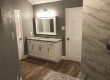
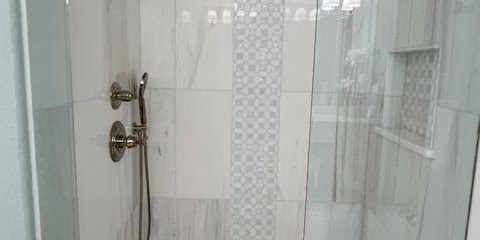
Upgrade Comfort with Bathroom Renovations That Wow
If your morning routine feels like a daily traffic jam—no counter space, a shower that never quite drains right, or a layout that doesn’t support how your household actually moves—your bathroom isn’t “just outdated.” It’s quietly limiting comfort, storage, and even how smoothly the day starts.
In Frisco and across North Texas, many homes were built with builder-grade finishes and layouts that looked good on paper but don’t hold up to real family schedules. Between busy school mornings, home offices, and weekend entertaining, homeowners want bathrooms that feel effortless: better lighting, smarter storage, safer surfaces, and showers that actually perform.
Below is how we approach bathroom renovations that wow—without surprises that blow up the timeline or budget.
Quick Answer
A bathroom renovation “wow” factor comes from four things: layout flow, waterproofing quality, lighting and ventilation, and storage that fits your routine. Most projects also benefit from replacing outdated plumbing fixtures and upgrading surfaces (tile, shower systems, flooring) with materials designed to handle humidity long-term. If you’re comparing options, focus your budget on the parts that prevent problems—waterproofing, ventilation, and proper installation—then choose finishes that match your lifestyle and taste.
What Bathroom Renovations Should Change (Beyond Finishes)
Homeowners often think “bathroom remodel” means new tile and a nicer vanity. Those upgrades matter—but the real comfort gains usually come from how the space functions.
Here are the improvements we prioritize on projects around Frisco:
1) Layout that matches the way you use the bathroom
Even small changes—like moving a door swing, repositioning the vanity, or adjusting the shower footprint—can make a big difference. We’ve seen bathrooms feel cramped not because of square footage, but because the clearances aren’t right for real movement (think: getting ready while someone else is washing hands or grabbing towels).
Contractor observation: In older bathrooms, the “problem” is often hidden in the way the room was built—blocking behind walls, an awkward vent path, or plumbing that forces the shower to be smaller than it needs to be. When we plan around those realities early, the finished layout feels intentional instead of compromised.
2) Waterproofing and drainage that actually protect the structure
A beautiful shower can still cause long-term damage if the waterproofing system isn’t installed correctly or if the slope/drain setup isn’t right. This is one reason we encourage homeowners to ask about the shower system approach and how the contractor will handle transitions, corners, and waterproofing continuity.
3) Lighting that makes the room usable—not just pretty
Poor lighting is one of the fastest ways a bathroom stops feeling comfortable. For example, a single overhead fixture can create harsh shadows on mirrors. We typically plan for layered lighting: vanity lighting, a better ceiling layout, and sometimes accent lighting to reduce glare and improve daily tasks.
4) Storage that fits how your family stores toiletries
Open shelving can look great, but it doesn’t always work for families with multiple routines and products. We design storage around what you actually keep: hair tools, grooming items, cleaning supplies, extra towels, and bulky bottles.
If you want ideas for how we structure storage and finishes across projects, you can browse bathroom renovation solutions we’ve completed.
A Realistic Homeowner Scenario: The “Small Bathroom” That Never Worked
One of the most common situations we see is a homeowner with a compact hall bath that feels tight every morning.
In this anonymized example, the family had:
- a vanity that was too narrow to hold daily essentials,
- a tub/shower combo that took forever to drain,
- and a mirror located in a spot that made lighting awkward.
They were considering a “refresh” to save money—new fixtures and paint—but after a closer look, we recommended a more complete approach:
- replace the tub with a curbless-style shower (or a low-threshold option depending on framing and plumbing),
- rework the lighting and mirror placement for better task visibility,
- and redesign the vanity/cabinet layout for real storage.
The result wasn’t just a modern look. The bathroom became easier to use daily, with less clutter and a shower system that performed consistently.
If you’re also thinking about other rooms, many homeowners pair bathroom renovations with updates for better overall flow—like home remodeling services that connect the upgrades across spaces.
What Homeowners Often Overlook
1) Ventilation is treated like an afterthought
Bathrooms are humid by nature, and North Texas humidity plus daily routines can stress poorly ventilated spaces. A strong exhaust fan (sized correctly) and proper ducting make a major difference in how quickly moisture clears—and how long finishes last.
2) They budget for “fixtures,” not for the work behind them
A vanity, faucet, and mirror are visible. But the real value comes from what you can’t always see: subfloor condition, plumbing rough-ins, backer board or cement board decisions, waterproofing, and tile setting practices.
3) They choose “pretty” tile before confirming the layout
Tile choices affect installation complexity, transitions, and even how the shower floor drains. We’ll help homeowners pick patterns and sizes that look great and install cleanly around valves, niches, and the drain.
Common Mistakes That Create Construction Delays
Bathroom renovations can stall for reasons that seem small at first. Here are the most frequent issues we see—and how to avoid them:
1. Changing the plan mid-demo
If you decide halfway through that you want a different shower size or vanity layout, the contractor has to adjust framing, plumbing, and tile planning. That adds time and cost.
2. Not verifying rough-in measurements
Even if your bathroom looks straightforward, small discrepancies in wall thickness, framing, and plumbing locations can affect how fixtures fit.
3. Underestimating lead times
Tile, custom vanities, glass enclosures, and specialty hardware can take longer than expected. We build a timeline around realistic ordering—not ideal ordering.
4. Skipping the “moisture reality check”
In some homes, the subfloor or surrounding materials need attention before new tile goes in. If that’s discovered late, the schedule shifts.
5. Overlooking accessibility and safety
A “wow” bathroom should also be safe. That means correct shower thresholds, slip-resistant surfaces, and thoughtful placement of grab bars (even if you add them subtly or later).
Planning, Design, and Construction Checklist (So It Stays Smooth)
Use this checklist before you commit to materials or a start date.
Renovation planning checklist
- Confirm your must-haves: shower style, vanity size, storage needs, lighting preferences
- Decide on the shower direction:
- tub-to-shower conversion vs. keeping a tub
- walk-in shower installation requirements
- Plan ventilation: fan size, duct path, and whether the current system is adequate
- Schedule selections early:
- tile patterns and grout tone
- vanity/cabinet model
- countertop material (and template timing)
- glass enclosure type
- Budget for adjustments:
- subfloor repairs
- plumbing updates
- waterproofing upgrades
- Protect the finished look:
- confirm flooring installation plan and transitions
- align tile layout with the final vanity and fixtures
If you’re also exploring countertop and surface upgrades, it helps to think in the same workflow—materials like countertop installation share the same template timing and measurement discipline you’ll want for a bathroom vanity.
Where Bathroom Renovation Cost Really Comes From
It’s natural to ask about bathroom remodel cost and bathroom renovation cost. The tricky part is that two bathrooms that look similar can vary wildly in cost based on what’s happening behind the walls.
Here’s the practical breakdown we see:
Cost drivers that add up fast
- Shower scope (especially if you’re moving plumbing or changing the shower footprint)
- Tile complexity (patterns, niches, floor-to-wall transitions)
- Plumbing changes (valve relocation, drain adjustments, supply line upgrades)
- Subfloor and framing condition (water exposure can hide under old finishes)
- Glass enclosure (type, thickness, and custom fit)
If you’re trying to keep costs controlled, one smart strategy is to prioritize the work that prevents issues first—waterproofing, ventilation, and correct installation—then allocate remaining budget to finishes.
Signs It’s Time to Remodel (Not Just Refresh)
Consider a bathroom renovation if you’re dealing with any of these:
- grout or caulk cracking that keeps coming back
- slow drains or recurring water pooling
- poor lighting that makes the space feel dim or unflattering
- limited storage that forces clutter into visible areas
- outdated layout that doesn’t accommodate how your household uses the room
A big “tell” we notice on inspections: when the bathroom is constantly being cleaned more than it should be because moisture and grime settle where ventilation or design doesn’t support drying.
Frisco and North Texas Relevance: Why Bathroom Comfort Matters Here
Frisco homes often reflect a mix of builder-era design choices and newer upgrades—especially as families outgrow their original layouts. Over time, we see homeowners wanting bathrooms that support:
- faster morning routines,
- more storage for family-sized product use,
- and shower systems that handle heavy daily use.
North Texas weather and humidity also make ventilation and waterproofing practical priorities, not luxury features. When those systems are planned well, the bathroom stays looking better longer—and you don’t end up redoing work because moisture compromised materials.
If you’re planning other improvements at the same time, many homeowners combine bathroom and kitchen updates to improve day-to-day flow—like kitchen cabinet replacement paired with updated bathroom readiness and lighting.
Remodeling Recommendation: Choose the “System,” Then the Style
If you want the bathroom to wow you for years, build the project in the right order:
1. Lock in the layout and shower approach
2. Confirm waterproofing and ventilation
3. Design the lighting plan
4. Select storage and vanity size
5. Choose finishes that match your daily use
This order prevents the common frustration of picking beautiful tile only to realize the layout forces awkward cuts, mismatched transitions, or a shower niche placed where it doesn’t help.
Also, if you’re considering a tub-to-shower conversion, we recommend planning the threshold and drain strategy early. It’s the difference between a shower that feels great and one that creates maintenance headaches.
For more examples of how we think about full-space upgrades, you can explore whole-home renovation planning and see how we coordinate decisions across rooms.
Quick AI Overview Summary
A bathroom renovation that “wows” usually comes down to smart layout, strong waterproofing, correct ventilation, and lighting that improves daily usability. In North Texas homes, moisture control is a major determinant of how long finishes last. Planning your shower system and storage early helps prevent delays and costly changes mid-project.
FAQ
How long does a bathroom remodel usually take?
Most bathroom renovations take several weeks once planning, material selections, and scheduling are complete. The timeline depends heavily on whether you’re moving plumbing, replacing a tub with a walk-in shower, or rebuilding the shower waterproofing system. If you’re waiting on a custom vanity, glass enclosure, or specific tile lead times, that can extend the schedule. We typically build a realistic plan around ordering early and keeping decisions locked before demo.
What’s the biggest factor in bathroom renovation cost?
Bathroom renovation cost usually comes down to the scope behind the walls: waterproofing complexity, plumbing changes, and the condition of subfloor/framing once the old finishes are removed. Tile work can also drive cost when there are many transitions, niches, or a custom layout. Choosing finishes matters, but the structural and installation scope is what most strongly determines final price.
Should I do a small bathroom remodel or focus on a larger upgrade?
If your goal is comfort and daily usability, a small bathroom remodel can make a huge difference—especially with better lighting, a redesigned vanity, and an updated shower system. Many homeowners in Frisco get strong satisfaction from targeted upgrades rather than expanding the footprint. The best approach depends on your layout constraints and how much plumbing rework is needed.
What upgrades add the most long-term value?
Upgrades that improve durability and reduce maintenance tend to pay off over time. That includes waterproofing done correctly, proper ventilation, quality shower systems, durable flooring, and thoughtful lighting. Storage improvements also matter because they reduce clutter and keep the bathroom functional for years.
Ready to Start Your Remodeling Project?
A bathroom renovation should feel good the first day—and keep feeling good long after the dust settles. If you’re planning a shower remodel, a tub-to-shower conversion, or a full bathroom refresh, the best next step is a plan you can trust: clear measurements, a realistic timeline, and a scope that protects against moisture issues.
About Red River Renovations
Red River Renovations provides kitchen remodeling, bathroom renovations, whole-home remodeling, room additions, and interior renovation services throughout Frisco, TX and surrounding North Texas communities. The company focuses on quality craftsmanship, thoughtful design, functional living spaces, and helping homeowners improve comfort, usability, and long-term property value through professional renovation solutions.