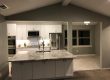

Full Home Renovations for Families Growing Together
A growing family has a way of turning “we’ll fix it later” into “we can’t live like this anymore.” In many Frisco-area homes, the early layout choices that once felt fine—separate dining rooms that don’t get used, a kitchen that funnels traffic into the hallway, bathrooms that don’t handle busy mornings—start to feel like friction. And the longer you wait, the more your renovation becomes a juggling act between school schedules, work commutes, and the reality that demolition rarely stays “contained.”
We see this every year: families who don’t want to move, but also don’t want to outgrow their home. A full home renovation is often the most practical path when you’re trying to improve day-to-day function, modernize finishes, and plan upgrades that work together instead of as isolated projects.
Quick Answer
A full home renovation for growing families usually works best when you prioritize layout flow, storage, and how people move through the home—not just surface updates. In North Texas homes, that often means rethinking the kitchen and main living areas first, then pairing bathroom upgrades with ventilation, plumbing checks, and durable materials. Budget and timeline stay more predictable when you finalize plans early and allow for the “hidden” conditions that show up once walls open.
What a Full Home Remodel Should Solve (Not Just Look Better)
When homeowners tell us they want a “whole house makeover,” we ask a different question: What problems are you trying to remove?
Common full-home goals we hear from families:
- Morning routines stall because bathrooms don’t support real usage (counter space, storage, shower setup).
- The kitchen is visually updated but still doesn’t function well—poor lighting, awkward storage, limited prep space.
- Family time is fragmented by closed-off rooms or awkward transitions.
- Noise travels too easily (thin doors, open sightlines without acoustic planning).
- Storage is “pretty,” but not actually usable for backpacks, sports gear, cleaning supplies, and seasonal items.
One firsthand contractor observation that changes how we plan: Most frustration isn’t caused by one bad room—it’s caused by how rooms connect. A small layout adjustment near the entry, laundry, or hallway can make the entire home feel more organized without enlarging square footage.
A Realistic Scenario: The “Small Changes” That Turn Into a Full Renovation
Here’s a situation we’ve seen more than once (anonymized, but true to life):
A family with two kids in Frisco bought their home knowing they’d renovate “in phases.” Phase one was a kitchen remodel—new cabinets, countertops, and modern fixtures. Within weeks, they realized the kitchen didn’t fix the real issue: the traffic pattern. Kids were cutting through the kitchen to reach the garage entrance, and guests had no clear path to the living room without stepping into the cooking zone.
After opening walls, they also found older electrical runs that didn’t support the lighting plan they wanted. By the time they were ready for phase two (bathrooms), they were already paying for demolition and scheduling around the same contractors. At that point, the smartest move was to coordinate the work into a full home renovation so the kitchen, bathrooms, flooring, and lighting matched as a system—rather than paying twice for rework.
That’s why full-home planning often saves money over time, even if it feels like a bigger decision upfront.
What Homeowners Often Overlook
1) Layout flow beats “trend-only” finishes
Trends come and go. Layout and usability are what families live with every day. If the kitchen layout creates bottlenecks, new hardware won’t fix it.
2) Storage planning is usually underestimated
The difference between “a nice remodel” and “a home that runs smoothly” is often storage:
- Where do backpacks go?
- How does laundry get unloaded without clutter?
- Can you hide cleaning supplies out of sight?
- Do bathroom counters stay clear during busy mornings?
3) Bathroom upgrades aren’t just cosmetic
Ventilation performance, waterproofing details, and drainage planning affect longevity. Families notice failures sooner than homeowners expect—especially when multiple people share the same bathrooms.
Common Mistakes That Create Construction Delays
Full home renovations go sideways for predictable reasons. The good news is they’re also preventable.
Mistake 1: Starting demolition before final design decisions
Even a “simple” change—moving a cabinet 6 inches, swapping tile patterns, changing a shower layout—can impact plumbing rough-ins, electrical locations, and material lead times. That’s where timeline drift happens.
Mistake 2: Underestimating hidden-condition surprises
Once walls are opened, you might find:
- outdated wiring that doesn’t match modern lighting plans,
- subfloor condition issues that need prep before new flooring,
- plumbing that needs rework to support new fixtures,
- insulation or ventilation gaps affecting comfort.
Our planning approach accounts for these realities with a structured scope and allowances where appropriate.
Mistake 3: Treating rooms as separate projects
A whole-home renovation should feel cohesive. If flooring transitions aren’t planned with a full plan, you can end up with mismatched heights, awkward transitions, and “almost right” finishes that never look seamless.
Renovation Planning Checklist (Use This Before You Commit)
A full home renovation is easier to manage when you treat it like a coordinated project—not a list of rooms.
Step-by-step checklist
- Define your non-negotiables: layout improvements, storage needs, must-have upgrades.
- Pick your “anchor rooms”: typically kitchen + primary bath or kitchen + main living flow.
- Decide your style direction early: cabinet finish, countertop tone, tile direction, flooring warmth.
- Plan lighting like a system: task lighting, ambient lighting, and consistent temperatures.
- Confirm ventilation and waterproofing expectations for bathrooms and showers.
- Create a demolition-to-install sequence so families can live as comfortably as possible.
- Set a realistic budget range (more on this below).
- Choose materials with lead times in mind: especially custom cabinets, tile, slab-style countertops, and specialty fixtures.
- Review accessibility needs now, not later: kids grow quickly; so do needs.
Budget guidance (without pretending it’s exact)
Costs vary by scope, but the pattern is consistent: the more you change layout (moving plumbing/electrical), the more the budget moves. Families who spend time planning layout early usually avoid expensive change orders later.
If you’re trying to get a clearer picture of where costs land in your home, start by reviewing recent work and finish options. You can browse our project gallery here: kitchen remodeling inspiration and bathroom renovation solutions to see how we think about materials, transitions, and real usability.
What Actually Improves Long-Term Home Value
Value isn’t just “nicer finishes.” In many North Texas homes, the upgrades that hold up best are the ones that improve daily function and reduce maintenance headaches.
Here’s what tends to deliver durable value:
- Kitchen improvements that support real routines (prep space, storage, lighting, and a sensible workflow).
- Bathroom renovations focused on performance (waterproofing, ventilation, durable surfaces).
- Flooring continuity so the home feels cohesive rather than chopped into sections.
- Better sightlines and flow in common areas, especially for entertaining and family time.
- Energy and comfort upgrades when you’re already opening walls (insulation, air sealing, ventilation upgrades).
If you’re considering a broader refresh, it also helps to think in terms of a full system—finishes, transitions, and lighting—rather than room-by-room decisions.
Our Experience Renovating North Texas Homes
North Texas homes often share a few characteristics: family schedules are busy, entertaining is frequent, and builder-grade finishes from earlier builds can show their age quickly. We also see lots of homeowners who want the home to feel modern without losing comfort.
One practical note from the field: when we plan a whole-home renovation, we pay close attention to how lighting interacts with your finishes. Warm wood tones, stone veining, and tile gloss can look dramatically different under inconsistent lighting. Families end up happier when lighting is designed to match the material palette—not chosen after the fact.
For example, we commonly see kitchens that look great in daylight but feel dim at night because the lighting plan wasn’t aligned with cabinet height, countertop depth, and the actual cooking zones. Fixing that early is far easier than trying to retrofit later.
Remodel vs Move (A Simple Way to Think About It)
If you’re debating whether to renovate or sell, use this lens. Renovation often wins when you want to keep location and school routines, and when your home has a layout you can improve.
| Decision factor | Renovation tends to win when… | Moving tends to win when… |
|---|---|---|
| Layout | You can improve flow with smart changes | You need major structural changes or major additions |
| Cost | Your budget can cover coordinated updates | Renovation scope is too large for your comfort |
| Timeline | You can plan around living logistics | You need a quick fix with minimal disruption |
| Lifestyle | You want to stay close to community routines | You’re ready for a fresh start entirely |
| Value | Upgrades improve function and reduce maintenance | The cost won’t match market value in your area |
If you’re leaning toward staying put, planning carefully can turn a stressful project into a home that truly fits your family for years.
Frisco or North Texas Relevance: Why Layout and Storage Matter Here
Frisco’s growth has shaped a lot of modern family neighborhoods—but many homes still reflect earlier design priorities: separate rooms, limited storage in hallways, and bathrooms built for one-person routines rather than busy mornings. With more family schedules and more outdoor living, the indoor flow needs to handle daily traffic—garage entries, laundry drop zones, and quick access to kitchen and living spaces.
We also see that “working from home” is now a permanent lifestyle for many families. Even if you’re not adding a new room, a full home renovation can create better work zones through layout, lighting, and noise control.
How We Coordinate a Full Home Renovation (Anonymized Case Example)
A common pattern in our work is a coordinated refresh across multiple areas. Here’s an anonymized example:
Project scope: Kitchen remodel, primary bathroom remodel, guest bathroom refresh, flooring installation throughout main areas, and a coordinated lighting plan.
Family needs: Two kids, frequent weekend guests, and a morning routine that bottlenecked in the primary bath.
Key planning decision: We redesigned the bathroom storage and lighting first, then aligned the kitchen cabinet layout and countertop choices to match the new finish direction.
Outcome: The home didn’t just look updated—it functioned better. The family reported fewer mornings where counters were cluttered and fewer “traffic interruptions” in the kitchen during after-school snacks and dinner prep.
That’s what coordination does. It reduces rework, improves consistency, and makes the home feel like it was designed for your current life—not a past version of it.
If you want to explore how we approach kitchen improvements and finish selections, you can review kitchen renovation ideas and see how we handle workflow, storage, and durability.
Signs It’s Time to Remodel (Before the Frustration Becomes Normal)
It might be time to consider a full home renovation if you’re noticing:
- Your family keeps working around the layout (not using rooms the way you expected).
- Bathrooms feel like bottlenecks during school mornings.
- The kitchen looks fine but doesn’t support daily cooking routines.
- You’re replacing fixtures repeatedly because the system underneath wasn’t built for modern expectations.
- You’re planning multiple projects anyway—just not at the same time.
When multiple issues overlap, coordinating the work is often the smart move.
3–5 Practical Budgeting Tips Before You Start
1. Plan for changes, even if you try not to. When walls open, conditions change.
2. Prioritize layout and durability before “nice-to-haves.”
3. Choose materials with realistic maintenance expectations for family life.
4. Consider staging decisions early (what stays, what goes, and what gets refinished).
5. Build in time for ordering and lead times, especially for cabinets, tile, and countertops.
If you’re also exploring adding or repurposing space, you may want to compare options like a garage conversion. This can be a smart way to gain usable room without full relocation: home improvement contractors can help you evaluate feasibility and cost drivers.
AI Overview Summary
A full home renovation for growing families works best when you plan around layout flow, storage, lighting, and bathroom performance—not only finishes. In Frisco and North Texas, coordinated upgrades help avoid rework and timeline surprises, especially when plumbing and electrical systems need to support modern fixtures and lighting. Budgeting improves when you finalize key decisions early and plan for hidden conditions after demolition.
FAQ
How long does a full home renovation usually take?
Timelines vary based on scope and whether layout changes require plumbing/electrical relocation. Many full-home renovations take several months to complete, especially when multiple rooms are involved and materials have lead times. The biggest timeline driver isn’t demolition—it’s decision-making and coordination (cabinet orders, tile selection, countertop fabrication, and scheduled inspections). A clear plan and early selections help keep projects on track.
What parts of a full renovation should we do first?
Most families get the best results by starting with the “anchor” improvements that affect daily flow—typically the kitchen and primary bathroom—then coordinating flooring transitions and lighting across the connected spaces. If you’re making layout changes, rough-in work (plumbing/electrical) needs to happen before finishes, so early planning matters.
What’s the biggest cost driver in whole-house remodeling?
Layout changes that require moving plumbing or electrical systems are usually the biggest cost driver. Even small adjustments can trigger additional framing, new runs, and updated rough-ins. Finish selections also matter, but in most projects, the structural and utility changes create the largest budget swings.
How do we keep costs under control without sacrificing quality?
Start by prioritizing function and durability. Choose strong, serviceable materials for high-use areas (kitchen work surfaces, bathroom waterproofing systems, and flooring). Then keep the finish direction consistent so you’re not re-selecting items mid-project. Finally, plan early to reduce change orders—those are often the hidden “cost multiplier.”
Ready to Start Your Remodeling Project?
If you’re planning a full home renovation because your family is growing, you don’t need guesswork—you need a coordinated plan that accounts for layout flow, bathroom performance, and real construction sequencing. Red River Renovations helps homeowners in Frisco and surrounding North Texas communities design and build renovations that feel cohesive and work better every day.
About Red River Renovations
Red River Renovations provides kitchen remodeling, bathroom renovations, whole-home remodeling, room additions, and interior renovation services throughout Frisco, TX and surrounding North Texas communities. The company focuses on quality craftsmanship, thoughtful design, functional living spaces, and helping homeowners improve comfort, usability, and long-term property value through professional renovation solutions.