
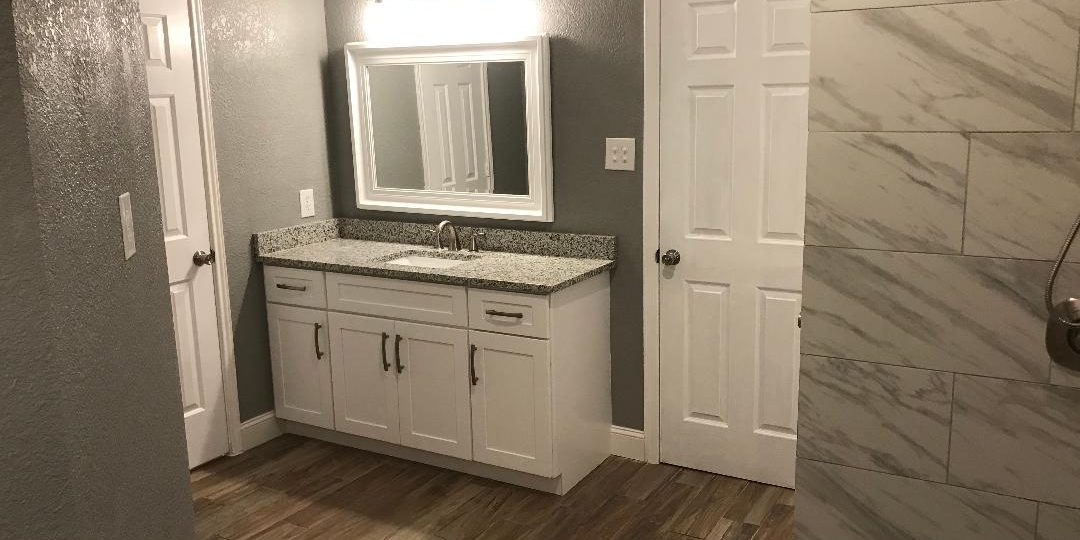
How Often Should Full Home Renovations Be Done
When should you plan a whole-house refresh, and when is it better to remodel a few key rooms? This guide helps homeowners in Frisco, TX make a realistic timing decision based on wear, layout needs, and what is worth updating while walls are open.
Maybe you are staring at the same kitchen for the third holiday in a row, noticing the cabinets feel dated and the layout slows everyone down. Or you are dealing with bathroom wear that keeps getting worse, even after small updates like new fixtures.
At the same time, full home renovations sound disruptive and expensive, so it is natural to wonder if you are “due” yet. This guide breaks down how to decide the right interval for a full home remodel versus targeted home remodeling services by looking at the signals that matter most.
- Quick answer
- What to check first
- Main things customers should understand
- Why this matters in Frisco, TX
- Common mistakes to avoid
- Customer checklist
- Frequently asked questions
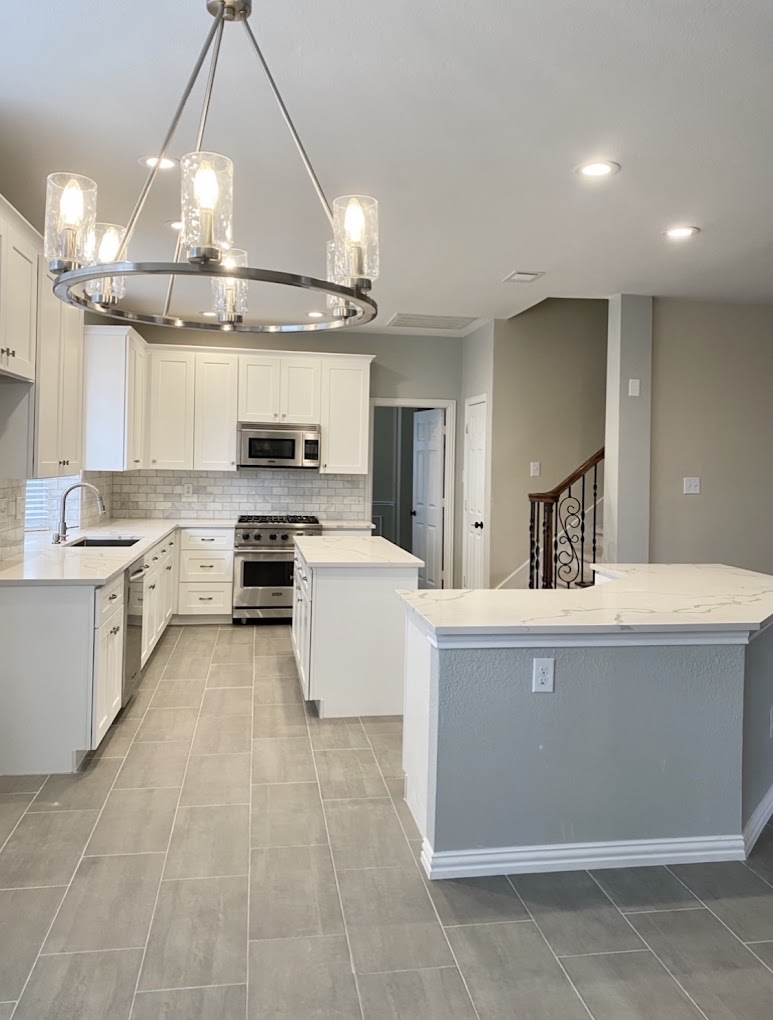
Quick Answer
Full home renovations do not need a set calendar date. Most homeowners think about a whole house renovation when layout and systems start competing with daily life, or when multiple rooms are showing similar wear at the same time. A practical approach is to remodel in phases: update high-impact areas like the kitchen remodel or bathroom remodel first, then plan bigger structural or whole-home changes only if the home’s layout, insulation, flooring, or plumbing needs align. If you are unsure, start with a scope review and prioritize what will last through the next decade.
What to Check First
Before you decide how often to renovate, separate “style fatigue” from “functional needs.” Style fatigue might mean you want a more modern kitchen remodel, new tile, or better lighting. Functional needs point to bigger issues like recurring moisture in bathrooms, uneven floors, or outdated electrical that limits how you live.
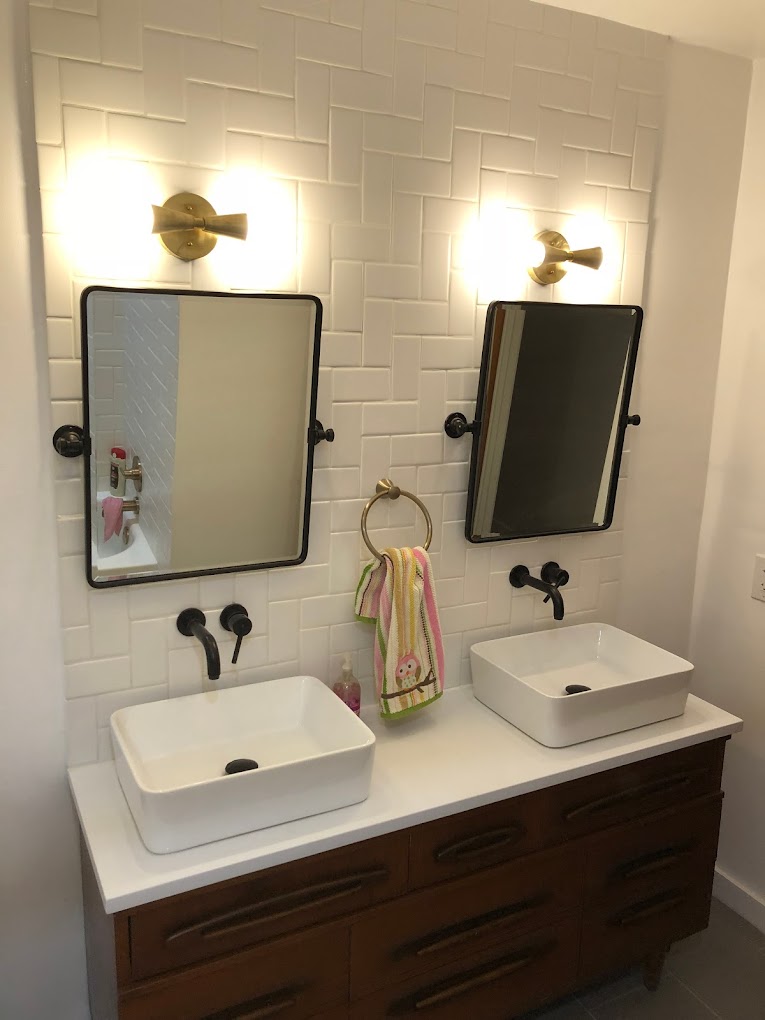
Look for repeated problem rooms
When bathroom renovations and kitchen renovation ideas both come with the same complaints (storage, traffic flow, ventilation), it is often a sign that a larger plan will be smoother.
Check what is behind finishes
Tile installation, flooring installation, countertop installation, and backsplash installation can hide bigger issues. If walls or subfloors are already coming apart, phasing may not be the best strategy.
Think about how long you will stay
If you plan to remain in your home through major life changes, a more complete plan can prevent repeating demolition later.
Main Things Customers Should Understand
A “full home renovation” can mean different levels of work. Some homeowners mean cosmetic updates across rooms; others mean whole house remodel changes like insulation upgrades, structural home renovations, or room addition planning. The right frequency depends on what you are trying to solve.
Professional observation: The homes we see most often in Frisco, TX get remodeled in waves. People usually start with kitchens and bathrooms because they affect daily routines the most, then expand into living room renovation, flooring installation, and interior renovation once they see how the rooms connect.
Common renovation “drivers” that affect timing
Here are the triggers that usually make a full home renovation the right next step, even if the calendar has not reached a specific “year number.”
- Multiple rooms need the same kind of work (for example, you are replacing cabinets and countertops in the kitchen, and also replacing vanities and flooring in bathrooms).
- Layout becomes the bottleneck, such as poor traffic flow between the kitchen and living room renovation or awkward bedroom remodeling layouts.
- Systems issues are starting to stack up, like ventilation problems in bathrooms or recurring moisture that affects shower remodel areas.
- You are already opening walls for one project, and you want to avoid rework in the next room.
- Family and lifestyle change leads to home additions, garage conversion, or room addition cost decisions.
When “phased remodeling” is usually smarter
Not every homeowner needs full home renovation all at once. If only one or two areas are truly out of date, phasing can reduce disruption and help you spread decisions. A common path is starting with a kitchen remodel (including kitchen cabinet installation or kitchen cabinet replacement, plus countertop installation and backsplash installation), then moving to bathroom renovations like a walk-in shower installation or tub to shower conversion.
| What you are seeing | Typical “next step” | How it changes renovation timing |
|---|---|---|
| Outdated look but everything functions | Targeted kitchen remodeling contractors work or bathroom renovation | Plan in phases; full home renovation can wait |
| Recurring bathroom moisture or shower wear | Shower remodel, bathroom tile installation, or flooring installation | More frequent bathroom renovations may become necessary if not corrected |
| Kitchen layout slows daily routines | Modern kitchen remodel with open concept renovation planning | Often the “start” that triggers bigger whole-home coordination |
| Multiple rooms need new flooring and finishes | Whole house renovation planning for interior renovation continuity | Better to batch decisions now to avoid repeat demolition |
| Need extra space | Home additions, room addition, or garage conversion planning | Timing may center around addition completion, then follow-on interior remodeling |
Firsthand-style industry observation
In practice, homeowners often think they are choosing between “small remodel” and “full home renovation.” But many of the best plans are really coordination plans. For example, once you replace kitchen cabinets and countertops, you will want the surrounding flooring installation and lighting to match. The same is true when you do a master bathroom remodel and also plan bathroom tile installation. That is why timing usually follows what needs to be opened, not what year it is.
Why This Matters in Frisco, TX
Homes in Frisco often see busy schedules, multi-generational living, and frequent hosting. That means kitchens and bathrooms get used hard, and small problems can feel bigger because they interrupt daily routines. In a warm climate, bathrooms also tend to be the first place homeowners notice ventilation and moisture issues, especially around showers and tub to shower conversion areas. Planning timing around these usage patterns can help you avoid doing the same updates twice.
Local planning tip: If you are considering a whole-house approach, coordinate kitchen renovation ideas and bathroom renovations first. Then align flooring installation and living room renovation finishes so the home feels cohesive instead of pieced together room by room.
Common Mistakes to Avoid
Most renovation mistakes are not about taste. They are about sequencing and scope. When homeowners plan too narrowly, they end up paying for repeated demolition, or they choose solutions that do not hold up to real daily use.
- Waiting for one room to “force” the decision. If your shower remodel needs keep expanding, you may end up doing a bathroom renovation in a rush without coordinating the rest of the home.
- Underestimating the coordination work. Kitchen cabinet installation and kitchen cabinet replacement can affect how you plan countertop installation, backsplash installation, and lighting.
- Choosing cosmetic fixes for functional problems. For example, new finishes in a small bathroom remodel will not solve ventilation or moisture issues.
- Ignoring the space you will need next. If you are considering home additions, room addition, or a garage conversion, planning timing around that can prevent redoing parts of your interior renovation later.
- Not thinking about whole-house flow. Even if you start with a complete home remodel, you still need practical transitions between rooms, including flooring installation and tile installation decisions.
Get a remodeling roadmap for your Frisco home
If you want help deciding whether to renovate now or phase the work, Red River Renovations can talk through your goals and the practical sequencing for kitchen remodels, bathroom remodels, and whole house renovation planning.
Call Red River RenovationsCustomer Checklist
Use this checklist to determine whether you are ready for a full home renovation or whether a targeted approach will get you the results you want with less disruption.

- Two or more rooms show wear that affects daily use (not just appearance).
- Your kitchen remodel and bathroom remodel goals align with the same timeline.
- You have a clear plan for flooring installation continuity across rooms.
- You know which updates are cosmetic versus structural home renovations or interior remodeling contractors work.
- You have considered future space needs, including home additions, room addition, or garage conversion.
- You are ready to make connected choices for tile installation and bathroom tile installation, not just one room at a time.
- You prefer one coordinated renovation plan over multiple separate projects.
Representative Scenario
Consider a homeowner in Frisco, TX who starts with a kitchen cabinet installation and countertop installation update because the current kitchen feels cramped. After the demo, they realize the flooring installation needs to be replaced to make the transition clean. A few months later, they also decide on a master bathroom remodel with walk-in shower installation. Instead of doing separate projects again and again, they coordinate backsplash installation, lighting, and shower remodel finishes so the home feels cohesive. That is the moment when a phased plan starts to look like a full home renovation, because the decisions are now connected.
Frequently Asked Questions
Is there a “right year” to schedule a whole house renovation?
Usually, there is not a single correct year. The timing is based on what is failing or limiting your daily routine. If you are only changing finishes, you can often remodel in phases. If you are dealing with recurring moisture in bathrooms, layout problems in the kitchen, or multiple rooms needing coordinated flooring installation, it may be the right time to plan a full home renovation. A practical next step is to assess which projects share the same underlying problems so you can avoid repeating demolition.
How do I decide between a kitchen remodel and a complete home remodel?
Start by identifying where the biggest friction is in your day. If cooking, storage, and traffic flow are the main issues, a kitchen remodel often delivers the most immediate improvement. If several spaces are outdated in a way that affects how the home functions, a whole house renovation can make the project smoother by coordinating decisions like tile installation, bathroom renovations, and interior renovation finishes together. In many cases, homeowners begin with kitchen renovation ideas and then expand when they see how other rooms connect.
What does “full” mean for bathroom renovations?
“Full” can range from changing visible finishes to addressing the full bathroom system. Many homeowners choose bathroom renovations that include shower remodel work, bathroom tile installation, and flooring installation. If you are doing a tub to shower conversion or walk-in shower installation, that often changes plumbing and layout, which is a bigger scope than a simple refresh. The best definition is based on what you want to change and what is already causing issues, such as ventilation, moisture, or worn surfaces.
Can a small bathroom remodel be part of a whole home plan?
Yes. A small bathroom remodel is often one of the best places to start because the work tends to be very noticeable and it can set the style for the rest of the home. You can coordinate the look by planning materials that match your kitchen renovation ideas, including tile installation choices and flooring installation. When homeowners time bathroom renovations alongside kitchen remodel planning, they typically reduce repeated decisions later and help the home feel consistent from room to room.
Should I plan for home additions before or after remodeling?
It depends on the type of addition and your current priorities. If you are planning a room addition, garage conversion, or other space expansion, it can be helpful to align interior renovation decisions with the addition timeline so you do not redo parts of the home later. For example, you may want flooring installation and interior transitions to match what will exist after the addition. A practical approach is to outline your addition plans first, then map the remodeling work around that end date.
Ready to plan the right renovation timing?
Red River Renovations helps homeowners in Frisco, TX and the surrounding areas plan home remodeling services that fit real life. If you want clarity on whether you should pursue a whole house remodel, full home renovation, or focused room updates, reach out and share what you want to change.
(214) 492-9480
About Red River Renovations
Red River Renovations is a home remodeling team serving Frisco, TX and nearby areas. We help homeowners plan and build kitchen remodels, bathroom remodels, bathroom renovations, and whole house renovation projects, including options like shower remodel work, walk-in shower installation, tub to shower conversion, flooring installation, tile installation, and interior renovation coordination.
Explore our portfolio for examples of kitchen and bathroom results, and visit our about page to learn how we approach home improvement projects.