Home Remodeling Craftsmanship for Stunning Everyday Results
Last year, a Frisco homeowner called us because their kitchen looked “fine” in photos—but in real life it didn’t work. The fridge blocked one path, the sink sat under a window that never got used for anything but clutter, and the hallway to the family room felt like a bottleneck every evening. The problem wasn’t just outdated finishes. It was daily friction: where people walked, where they set things down, and how easy it was to cook without bumping into each other.
That’s a common theme we see across North Texas: homes built with great bones, then finished with builder-grade layouts and materials that start feeling limiting as families grow, routines change, and expectations rise. Redoing surfaces can make a space prettier—but true home remodeling craftsmanship is what makes it feel effortless.
Quick Answer
A high-quality remodel isn’t only about cabinets and tile. It’s about planning the workflow (cooking, prep, cleaning), designing storage around real use, and coordinating electrical, plumbing, and structural needs before the project starts. If you’re considering a kitchen remodel or bathroom renovation, the best results come from a clear plan for layout, budgeting, and timeline—so surprises don’t derail the project or inflate the final bathroom remodel cost or kitchen remodel cost.
What Homeowners Often Overlook
Most homeowners start with aesthetics—new countertops, modern lighting, better flooring. That’s natural. But the projects that consistently impress long after installation come from decisions made earlier in the process:
- Layout flow beats square footage. Two kitchens can be the same size, yet one feels open and functional because the work triangle, aisle widths, and access to storage were planned correctly.
- Lighting is a performance feature, not decoration. Under-cabinet lighting, task lighting at counters, and ceiling light placement can make a kitchen usable at night—not just “pretty.”
- Storage planning prevents the “remodel, then still clutter” problem. If your drawers aren’t sized for your actual tools, you’ll still hide everything in bins and baskets.
- Waterproofing and ventilation drive bathroom longevity. In showers, the details matter: membrane systems, proper slope, and ventilation that actually moves moisture out.
Common Mistakes That Create Construction Delays
We don’t say this to scare homeowners—we say it because we’ve seen how expensive it can get when planning is rushed or decisions happen too late.
1) Changing the scope midstream
A homeowner might start with a “simple” update—new cabinets and countertops—then later request moving plumbing or expanding a shower. If the design wasn’t planned for that from day one, the remodel timeline stretches and costs rise.
2) Underestimating the hidden work
In older North Texas homes, “builder-grade” often means outdated wiring, aging subfloor conditions, or bathroom moisture issues that aren’t visible until demolition. Those discoveries can affect both schedule and budgeting.
3) Choosing style over function (especially in small spaces)
A small bathroom remodel can look stunning and still feel cramped if the vanity depth, door swing, or shower size wasn’t designed for the space. When we talk about bathroom renovations, we always start with ergonomics: clearances, reach distances, and where people actually stand.
4) Not planning for dust control and living arrangements
Even a well-run project can be disruptive. Homeowners who don’t plan for where appliances, pets, and daily routines go often end up making last-minute changes—because it’s inconvenient to live in a construction zone.
Planning, Design, or Construction: What to Do Before You Commit
A remodel goes smoothly when the design locks in the right technical decisions early. Here’s a practical approach we use with homeowners deciding between a kitchen renovation, bathroom renovation, or bigger upgrades.
A remodeling/budgeting checklist that keeps surprises down
Use this checklist as you plan:
- Measure twice, then measure again. Confirm wall conditions, door clearances, and appliance dimensions.
- Write down your “must-haves.” Examples: trash pull-out near prep, double vanity, walk-in shower, or more countertop seating.
- Decide on the level of change.
- Cosmetic refresh (finishes only)
- Light remodel (some plumbing/electrical)
- Structural renovation (layout, walls, or major systems)
- Plan the electrical and lighting early. Think about outlets, task lighting, and where switches should be.
- Budget a contingency. Remodeling almost always reveals something unexpected—especially after demo.
- Confirm materials lead times. Cabinets, custom countertops, and tile can be slower than expected.
- Build a realistic schedule. Weather and inspection timelines matter in North Texas.
A firsthand contractor observation: why the “demo phase” is where projects are won
The best remodels don’t just look good at the end—they’re built on clean transitions between phases. During demolition, we look at what’s behind the walls: subfloor condition, venting, plumbing layout, and wiring paths. That’s when we can prevent common downstream problems, like tile failures from improper substrates or bathroom odor issues from inadequate ventilation. If we catch those early, the finished space feels solid—not temporary.
Recommendation for better results: plan your “work zones”
For kitchens, we recommend designing around zones:
- Prep zone: near sink and primary countertop
- Cooking zone: stove/oven with adequate landing space
- Cleaning zone: sink + dishwasher + a logical place for trash/recycling
- Storage zone: pantry and drawer layout that matches daily use
This approach is why many homeowners end up loving their remodel even if the style changes over time.
If you want to browse what this looks like in real projects, you can view kitchen remodeling inspiration and see how layout decisions show up in the finished space.
A Realistic Example: A Kitchen Remodel That Solved Daily Friction
Here’s an anonymized example based on a typical North Texas situation.
A family had a kitchen with a narrow walkway and a layout that forced people to squeeze past each other during weekday evenings. They wanted a modern kitchen remodel, but they also needed practical storage for backpacks, snacks, and cookware.
What we changed (not just what we replaced):
- We reworked the cabinet layout to create a clearer prep-to-cook path.
- We improved lighting with under-cabinet task lighting and better overhead coverage.
- We added functional storage: deeper drawers for pots and a nearby landing area for daily prep items.
- We coordinated electrical so outlets and switch locations supported how they actually use the counters.
The result wasn’t only “new cabinets.” It was fewer interruptions while cooking and a kitchen that felt more open without needing to expand the footprint.
If your goal is to see how these decisions translate into design options, you may also like kitchen remodeling solutions that highlight workflow and finishing details.
Frisco and North Texas Relevance: Why Local Homes Remodel Differently
Frisco growth has brought a wide mix of home styles—from newer builds with cookie-cutter finishes to older homes that were updated once and then “stayed that way.” In both cases, the common challenge is the same: families outgrow the original layout.
A few local realities influence remodeling choices:
- Open concept expectations are strong. Homeowners often want better sightlines between kitchen, dining, and living spaces, but they also need smart transitions so mess and noise don’t take over the whole home.
- Lifestyle storage matters. With busy schedules, homes need drop zones, practical pantry storage, and easy-access organization.
- Outdoor entertaining changes how kitchens are used. Many families cook more frequently during gatherings and need countertop space, durable finishes, and lighting that works at night.
That’s why we focus on functional upgrades—because in North Texas, the kitchen and bath aren’t “decor rooms.” They’re everyday workspaces.
Remodel vs Move: When Home Remodeling Makes More Sense
| Option | What You Gain | Common Tradeoffs |
|---|---|---|
| Remodel | Tailored layout, better storage, upgrades aligned with your routines | Construction time, budgeting requires planning |
| Move | New layout on day one, no construction dust | Higher purchase costs, renovations still needed, added stress of relocation |
A remodel is often the smarter choice when you like the neighborhood, the lot, the school area, or the layout potential—but you’re frustrated by dated function. A move might solve some problems, but it rarely solves them all without additional spending. And the best remodels are designed to improve daily usability, not just resale optics.
Why Some Remodels Go Over Budget
Overruns usually come from predictable categories:
- Scope creep (adding layout changes after design is finalized)
- Unexpected structural or moisture issues discovered during demo
- Material substitutions due to lead times
- Finishing-level upgrades that are decided too late to price accurately
- Underplanned permitting or inspection needs for certain structural/MEP changes
We help homeowners avoid these by clarifying decisions early, documenting the plan, and aligning design choices with the construction steps required to achieve them.
Ready-to-Use: Renovation Planning Checklist (Bathroom + Kitchen)
If you’re mapping out a bathroom remodel or kitchen remodel, here’s a simple pre-planning checklist that keeps things organized:
- Confirm your goals: comfort, accessibility, style, storage, or function
- Measure door swings, clearances, and rough-in locations
- Decide on the shower/tub plan (including waterproofing approach)
- Plan ventilation (bathrooms need it to stay healthy and durable)
- Choose flooring and tile with durability in mind
- Coordinate lighting and outlet placement before rough-in work
- Set a realistic budget range and a contingency
- Confirm timeline constraints (work schedules, pets, school routines)
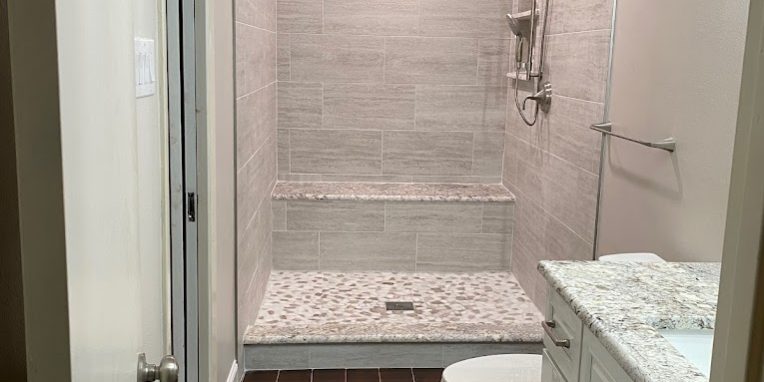
For homeowners specifically thinking about shower upgrades, you may find value in shower remodel examples that show how craftsmanship impacts the final look and performance.
What Actually Improves Long-Term Home Value
When people ask about value, we think about two things: durability and daily satisfaction. In many Frisco-area homes, buyers and homeowners both respond to improvements that make day-to-day living easier.
Projects that tend to pay off long-term include:
- Better lighting and cleaner layout flow in kitchens
- Thoughtful storage planning (pantry organization, drawer systems)
- Durable flooring and correctly installed tile in high-moisture areas
- Upgrades that improve comfort and usability, like a well-designed walk-in shower installation
If you’re considering a broader upgrade beyond just one room, exploring home remodeling services can help you understand how we approach multi-room planning and coordinated craftsmanship.
Optional FAQ Section
How long does a kitchen remodel usually take?
Most kitchen remodels take several weeks to a few months, depending on scope. A cosmetic refresh is typically faster, while layout changes, plumbing/electrical updates, and custom elements like tile and countertops can extend the timeline. The biggest scheduling factors are design finalization, material lead times, and inspection windows. We plan around these realities so the project doesn’t stall in the middle.
What’s the difference between a bathroom renovation cost and a bathroom remodel cost?
Homeowners often use these terms interchangeably. In practice, the difference is usually how extensive the work is. A “renovation” can mean updating finishes and fixtures, while a “remodel” often includes more structural or layout changes—like moving plumbing, changing the shower footprint, or upgrading ventilation. The more you change systems and rough-ins, the more bathroom renovation cost typically climbs.
Is remodeling better than moving?
Often, yes—especially when you like the neighborhood and the home’s core layout. Remodeling lets you fix the parts that don’t fit your routine, and you can prioritize the upgrades that matter most to you. Moving can solve some issues, but it comes with purchase costs, stress, and sometimes additional renovations. A remodel is most cost-effective when the structural foundation is already solid and the scope is planned carefully.
What upgrades add the most value?
Upgrades that improve usability and durability tend to matter most: well-planned lighting, functional storage, quality flooring installation, and properly waterproofed bathrooms. Style matters, but we usually recommend prioritizing layout and performance first—because those decisions affect how the home feels every day.
Ready to Start Your Remodeling Project?
Great remodeling starts with good planning: the right layout decisions, a realistic budget, and craftsmanship that holds up to everyday use. If you’re considering a kitchen remodel, a bathroom renovation, or a bigger whole-house renovation, we’ll help you map out the project so you can move forward with confidence.
About Red River Renovations
Red River Renovations provides kitchen remodeling, bathroom renovations, whole-home remodeling, room additions, and interior renovation services throughout Frisco, TX and surrounding North Texas communities. We focus on quality craftsmanship, thoughtful design, and functional living spaces—helping homeowners improve comfort, usability, and long-term property value through professional home improvement solutions.