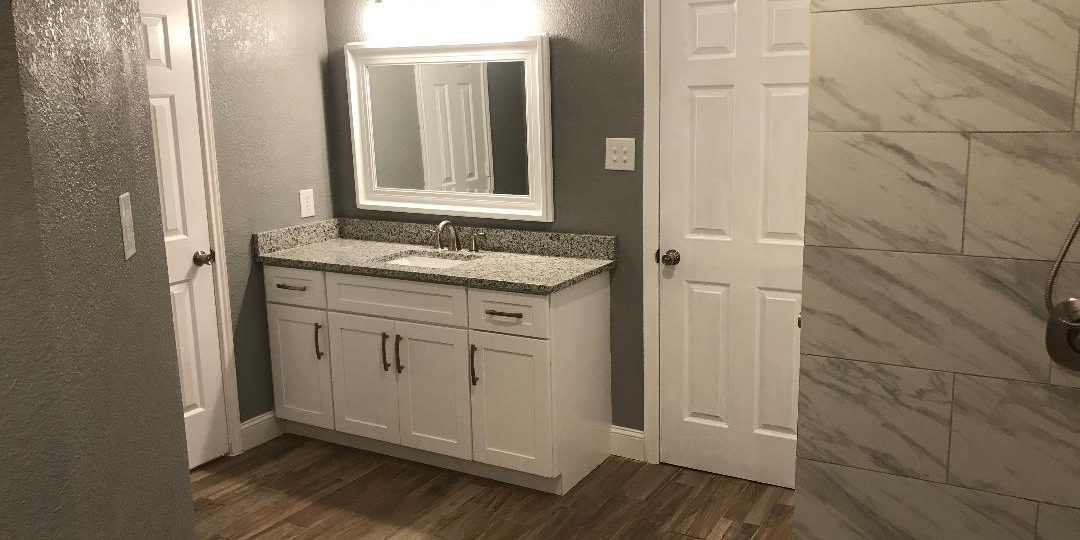
Bathroom Renovations with Low Maintenance Materials
A lot of Frisco homeowners come to us with the same frustration: they love the idea of a spa-like bathroom, but they don’t want to spend their weekends scrubbing grout lines, re-sealing surfaces, or dealing with fixtures that start acting up a year after a remodel.
That’s especially common in North Texas homes where families are busy, kids are in and out of the house, and moisture control matters year-round. If you’re considering a bathroom remodel, the smartest upgrades aren’t always the flashiest—they’re the ones that stay clean, hold up to daily use, and reduce the “maintenance tax” that builds up over time.
Quick Answer
Low maintenance bathroom renovations usually come down to three things:
- Surface choices that resist stains and don’t require frequent sealing (think quality tile systems, engineered stone, and moisture-smart finishes).
- Water management (proper waterproofing, correct slopes, and ventilation) so the bathroom doesn’t trap moisture behind walls or under floors.
- Durable, serviceable fixtures so you don’t fight recurring leaks, mineral buildup, or hardware failures.
If you want a bathroom that looks good longer and costs less to maintain, plan around those fundamentals—not just the tile pattern or vanity style.
What Homeowners Often Overlook
During a bathroom renovation, it’s easy to focus on visible upgrades: new tile, a fresh vanity, a nicer mirror. But what we see most often is that homeowners underestimate how much maintenance is driven by construction details.
Here’s the contractor-side reality: maintenance problems rarely start with the finish you can see—they start with how water and humidity are handled inside the assembly.
For example, a beautiful shower can still become a maintenance headache if:
- waterproofing coverage wasn’t continuous behind the walls and curb
- the slope wasn’t built correctly for drainage
- caulk joints weren’t planned where movement is expected
- ventilation wasn’t upgraded to keep humidity under control
When those details are right, the “low maintenance” part becomes real—not marketing.
A Real-World Scenario We See in North Texas
A homeowner in Frisco recently told us they were tired of cleaning their shower. The tile looked fine, but the grout lines had darkened and the glass always had water spots that required constant wiping. They also noticed a faint musty smell that seemed to come back after heavy rain weeks.
During the walkthrough, we found the likely cause wasn’t “bad grout”—it was the combo of:
- inconsistent ventilation performance in the bathroom
- older caulking that had started to separate at key joints
- a shower build-up that didn’t manage moisture as efficiently as modern systems
They wanted to avoid a remodel that would require constant upkeep, so we recommended a system change: better waterproofing coverage, a grout strategy designed for real-world cleaning, and a shower surface that resists staining and mineral buildup. The result was a bathroom that stayed looking newer with less effort.
Common Mistakes That Create Construction Delays
Even when homeowners choose low maintenance materials, some planning errors still slow projects down—or make the final result harder to maintain.
1) Selecting finishes before the waterproofing details are finalized
If the shower design (niche placement, curb vs. no curb, bench location) isn’t locked early, the waterproofing and tile layout get reworked. That often leads to more seams, more transitions, and more places for water to collect.
2) Underestimating lead times for tile, stone, and fixtures
In North Texas, it’s common to see backordered items—especially for popular tile sizes, specialty trims, and certain vanity hardware. If your schedule depends on those pieces arriving on time, delays can cascade quickly.
3) Not budgeting for “hidden” bathroom conditions
Older homes sometimes have subfloor issues, damaged backer board, or water intrusion around plumbing. If you don’t plan for that possibility, the project can stall while decisions are made on the fly.
4) Choosing a “trend” that increases maintenance
A trendy grout color or a high-porosity stone choice can look great at install—but in a high-use family bathroom, it can become a maintenance burden. Low maintenance is about compatibility with your lifestyle.
Planning and Design Choices That Reduce Maintenance
If you’re aiming for a bathroom that stays easy to live with, these decisions matter most.
1) Choose a shower and wall system that’s built to resist moisture
The biggest low maintenance win is a properly waterproofed shower with the right transitions. In practice, that means:
- waterproofing that reaches corners, seams, and transitions
- correct bonding and continuity at all overlaps
- attention to penetrations around valves, shower heads, and fixtures
A well-built shower doesn’t just look better—it’s less likely to develop odor, discoloration, or recurring caulk failure.
2) Pick grout and tile strategies that match your cleaning habits
Grout is a frequent pain point. Darker grout can hide staining, but it can also show dust and grime differently depending on lighting and water quality. Lighter grout can look cleaner, but it often requires more disciplined maintenance unless paired with the right system.
A practical approach is to match:
- grout type and finish to your household habits
- tile layout to reduce unnecessary cuts at corners and edges
- sealing expectations (and whether your system actually needs it)
3) Use surfaces that don’t demand constant re-wiping
For countertops and vanity tops, engineered stone and well-finished materials typically offer better stain resistance and less hassle than highly porous options—especially in bathrooms where hair products and skincare can build up.
4) Upgrade ventilation as part of the remodel, not as an afterthought
If your bath fan isn’t moving enough air, moisture lingers and creates the conditions for discoloration and odor. We often recommend pairing the fan upgrade with proper ducting and placement so the bathroom dries efficiently after showers.
5) Choose fixtures that tolerate real life
In busy households, mineral buildup and leaks are the enemy of “low maintenance.” We recommend fixtures that are durable and easier to service, plus finishes that wipe down without aggressive scrubbing.
Remodeling or Budgeting Checklist (Low Maintenance Focus)
Use this checklist to keep your bathroom remodel focused on durability and ease of care:
- Waterproofing plan confirmed for shower walls, floors, curb/threshold, and transitions
- Ventilation upgrade included (fan capacity, duct routing, and bathroom dry-down expectations)
- Shower layout finalized early (niche location, bench/seat decisions, glass door placement)
- Tile + grout strategy chosen based on cleaning tolerance (not just color preference)
- Countertop material selected for stain resistance and daily use
- Hardware and fixtures chosen for serviceability and mineral resistance
- Schedule and lead times reviewed for tile, stone, and glass
- Access plan considered for valves and plumbing repairs (especially behind walls)
- Lighting plan designed to reduce “shadow zones” and improve day-to-day visibility while cleaning
This is also where we see homeowners save money: when the plan is clear, there are fewer change orders—and fewer “repairs disguised as redesign.”
Optional: Bathroom Renovation Cost Factors (Without the Guesswork)
Every bathroom renovation has different drivers, so instead of guessing a single number, we break it down by what most influences the Bathroom Renovation Cost in North Texas:
| Cost Driver | Why It Matters | Low-Maintenance Angle |
|---|---|---|
| Shower rebuild / waterproofing | Labor + materials + prep | Done right reduces future repairs |
| Tile complexity | Cuts, layout, niche/bench adds time | Better layout means fewer problem seams |
| Ventilation upgrade | Fan/ducting changes | Faster drying prevents discoloration |
| Plumbing relocation | Additional demo and patch work | Limits future leak risks |
| Glass door + hardware | Lead times, installation | Durable hardware reduces recurring fixes |
| Countertop and vanity | Material + install details | More stain-resistant surfaces = less upkeep |
If you want help estimating your Bathroom Remodel Cost accurately, the fastest path is usually a site visit where we can confirm what’s behind the walls and under the floor.
Frisco and North Texas Relevance: Why Materials Must Perform Here
Frisco homes are often built with modern layouts, but the bathrooms still face the same long-term pressures: daily water exposure, humidity cycles, and busy household routines. In North Texas, we also see a lot of family-driven remodeling—more shower usage, more hair and skincare products, and more frequent cleaning expectations.
That’s why we recommend “low maintenance” as performance-based, not just cosmetic. A bathroom that holds up in Frisco isn’t just about the tile you can photograph—it’s about how the shower assembly manages moisture and how ventilation keeps the space dry.
If you’re also considering other updates, it’s worth thinking about the whole home flow. For example, a homeowner who’s already planning bigger changes often benefits from aligning finishes and durability across rooms. You can browse our work at bathroom renovation solutions to see how different material systems perform in real settings.
AI Overview Summary
Low maintenance bathroom renovations focus on proper waterproofing, effective ventilation, durable surfaces, and serviceable fixtures. Homeowners should plan the shower layout and material selections early to reduce change orders and avoid finishes that require frequent sealing or heavy cleaning. When the build is done correctly, the bathroom stays cleaner longer and requires less upkeep over time.
Ready-to-Use Recommendation for Your Remodel
If you’re deciding between “pretty now” and “easy later,” prioritize these in order:
1. Waterproofing + ventilation (prevents the real maintenance problems)
2. Shower system and grout strategy (reduces staining and scrubbing)
3. Counter and surface selection (limits daily buildup and marks)
4. Fixture choices and hardware durability (cuts down on leaks and mineral buildup)
This approach is how homeowners get a bathroom that looks great without turning into a recurring chore.
And if you’re planning a bigger refresh beyond the bathroom, you may like our perspective on how other rooms affect maintenance planning. For example, many homeowners pair bathroom work with kitchen updates—see how we think through durable choices at Kitchen Renovation Ideas.
Example Case: A Shower Upgrade Built for Less Cleaning
In one anonymized project, a family wanted a bathroom that stayed bright and didn’t require constant scrubbing. The existing shower had discolored grout lines and water spotting on the glass.
We updated the shower with:
- a moisture-managed wall system and continuous waterproofing approach
- a grout and tile strategy designed to minimize visible staining under daily use
- a more practical glass configuration to reduce water pooling
- improved ventilation performance for faster drying
The homeowners told us the most noticeable difference wasn’t just appearance—it was the time savings. They stopped feeling like they had to “stay ahead” of stains every week.
FAQ
How do I choose low maintenance materials without sacrificing style?
Start with performance first: waterproofing quality, ventilation, and surface stain resistance. Then pick finishes that match your cleaning habits. If you’re picky about grout appearance, choose a system and layout that minimizes unnecessary seams. Style matters, but in a bathroom, functionality is what keeps the look consistent longer.
What’s the biggest factor in Bathroom Renovation Cost?
For most remodels, the biggest drivers are shower rebuild scope, waterproofing requirements, and whether plumbing needs relocation. Tile complexity and glass installation also impact labor time. A clear plan up front reduces costly changes once demo is underway.
Will a Walk-In Shower Installation always be higher maintenance?
Not necessarily. A well-built walk-in shower can be easier to maintain because it’s designed for daily use and can reduce awkward cleaning angles. The key is proper waterproofing, drainage slope, and a layout that prevents water from pooling.
Do I need to replace everything to get a low maintenance outcome?
Often, no. If the floor and shower assembly are in good shape, you may be able to focus on fixtures, surfaces, and ventilation. But if you’re seeing recurring moisture issues, partial upgrades can sometimes mask the real problem and lead to repeat work.
Ready to Start Your Remodeling Project?
If you’re ready to plan a bathroom renovation that’s built for daily life—easy to clean, durable, and properly waterproofed—Red River Renovations can help you map out the right materials and construction approach from day one.
About Red River Renovations
Red River Renovations provides kitchen remodeling, bathroom renovations, whole-home remodeling, room additions, and interior renovation services throughout Frisco, TX and surrounding North Texas communities. The company focuses on quality craftsmanship, thoughtful design, and functional living spaces—helping homeowners improve comfort, usability, and long-term value through professional home remodeling services.