Explore Endless Possibilities with Home Additions
On almost every block in Frisco, you can spot it: a dumpster in the driveway, framing lumber stacked in the yard, and a home quietly transforming behind plastic sheeting. As Collin and Denton counties continue to grow at one of the fastest rates in Texas, more homeowners are deciding to expand rather than move. Rising home prices and limited inventory make home additions an attractive way to gain space, boost value, and stay in the neighborhood you love.
A well-planned room addition, garage conversion, or second-story build-out can add hundreds of square feet of usable space—and in North Texas, it’s not unusual to see a strong return on that investment at resale. According to multiple regional reports, quality additions and major remodels can recoup a significant portion of their cost in increased home value, especially when combined with thoughtful layout changes and modern amenities.
In this guide, you’ll see how homeowners in Frisco and surrounding areas are using additions to reimagine their homes. You’ll learn the types of additions that work best here, how to think about layout, realistic costs, and what to expect when working with experienced home addition contractors like Red River Renovations.
Key Insight: The right home addition doesn’t just add square footage—it reshapes how you live in your home every day, while increasing its long-term value in a competitive North Texas market.
Rethinking Your Floor Plan: How Additions Transform Daily Life
Most homeowners start thinking about additions because something in their daily routine is constantly frustrating them. Maybe your kitchen feels cut off from the family room, your kids are sharing a bedroom that’s way too small, or your “home office” is actually the corner of the dining table.
In fast-growing areas like Frisco, many homes were built quickly during boom years with layouts that don’t always match how families live today. Open-concept living, private work-from-home spaces, and multi-generational living have shifted what “ideal” looks like.
A home addition can solve these pain points by:
- Extending your main living area to create a larger family room
- Adding a dedicated home office or study off the entry
- Creating a true master suite with a spacious master bathroom remodel
- Expanding the kitchen footprint for an island and better traffic flow
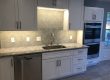
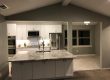
One Frisco family recently had a cramped kitchen and a breakfast nook that never really worked. By pushing out the back wall and reconfiguring the layout, Red River Renovations created a larger kitchen and informal dining space that opened into the living room. The project combined a room addition with a thoughtful kitchen remodel, giving them the open-concept feel they wanted without leaving their established neighborhood.
“A successful addition feels like it’s always been part of the house—seamless in both function and finish.” — Red River Renovations Design Team
Popular Types of Home Additions in Frisco (and Which One Fits You)
Not all additions are created equal. The best choice depends on your lot, existing structure, HOA rules, and how you want to use the space. In North Texas suburbs like Frisco, we see a few types of additions again and again—because they work.
1. Rear or Side Room Additions
These are traditional expansions off the back or side of your home. Common uses include:
- Larger family room or game room
- Expanded kitchen and dining area
- New bedroom or guest suite
- Sunroom or enclosed patio
A rear addition often pairs well with a modern kitchen remodel, giving you room for a larger island, added storage, and better circulation. Many homeowners use this opportunity to update finishes, add new custom countertops, and improve lighting.
2. Garage Conversions
A garage conversion can be a cost-effective way to gain living space without changing your home’s footprint. In Frisco, we’ve seen garages turned into:
- Home offices or studios
- Guest suites with a small bathroom remodel
- Playrooms or teen lounges
- Home gyms
“Converting a garage can be an excellent solution, but only if insulation, HVAC, and structural work are done to full residential standards.”
3. Second-Story Additions and Build-Outs
On smaller lots, building up can be smarter than building out. Adding a second-story game room, extra bedrooms, or a new primary suite can dramatically change how your home functions.
Many of these projects in Frisco pair a second-story addition with a whole house renovation, updating finishes throughout to create a cohesive look.
Costs, Value, and Budgeting: What Home Additions Really Take
Understanding the financial side of a home addition is crucial. While every project is unique, there are patterns in cost and value that can help you plan more confidently.
Below is a simplified comparison of common project types in the Frisco area. These are conceptual ranges; your specific design, finishes, and structural needs will affect actual pricing.
| Project Type | Typical Scope in Frisco Area | Relative Cost Level | Notes on Value & Complexity |
|---|---|---|---|
| Small Room Addition | 150–250 sq. ft. family room or bedroom | $$ | Moderate structural work; strong lifestyle upgrade |
| Kitchen Expansion + Remodel | Bump-out plus kitchen renovation | $$$$ | High impact on resale and daily use |
| Garage Conversion | 2-car garage to conditioned living space | $$–$$$ | Cost-effective if structure is sound |
| Master Suite Addition | Bedroom + luxury bath + closet | $$$$ | Big lifestyle upgrade; strong resale appeal |
| Second-Story Addition | Multiple rooms above existing structure | $$$$$ | Complex engineering; major value add |
Homeowners often ask how bathroom remodel cost or kitchen remodel cost compares to additions. Standalone projects—like a small bathroom remodel, walk-in shower installation, or kitchen cabinet replacement—usually cost less than building new square footage, but don’t change your home’s footprint. Additions combine both: construction plus interior finishes.
“The real measure of value isn’t just what you spend; it’s how much better your home works for the next 10–20 years.”
Key budgeting considerations:
- Structural work: Foundation, framing, and roof tie-ins often represent a significant portion of your room addition cost.
- Systems: Extending or upgrading HVAC, plumbing, and electrical to meet current codes.
- Finishes: Tile, flooring, cabinetry, and fixtures can vary widely in price depending on your style.
Designing for Seamless Integration: Making New Space Feel Original
One of the biggest fears homeowners share is that an addition will look “tacked on.” In Frisco’s master-planned communities, where curb appeal and uniformity matter, blending old and new is essential.
Thoughtful design starts with:
- Matching rooflines and exterior materials
- Aligning window styles, sizes, and placement
- Continuing existing trim profiles and ceiling heights
- Coordinating brick or stone, or using design strategies to transition between materials
Inside, the goal is for the new space to feel like a natural extension of your home. That means:
- Aligning flooring heights and transitions
- Matching or updating doors, baseboards, and casing
- Carrying consistent paint colors or complementary palettes
- Integrating lighting so the new area doesn’t feel like a “different house”
A recent project in a Frisco neighborhood near the Warren Sports Complex involved a rear living room renovation with an extended footprint. The homeowners wanted a larger family space and better views of the backyard. Red River Renovations tied the new room into the existing roofline, matched brick carefully, and continued the same hardwood flooring throughout. The result: guests often assume the home was originally built that way.
“Good additions are invisible to the untrained eye. Only the homeowner knows where the old house stops and the new begins.”
Many homeowners pair their addition with targeted updates throughout—such as new flooring installation or tile installation—to create a consistent, updated feel across the entire home.
Expanding Opportunity: Kitchens, Bathrooms, and Specialty Spaces
Once you decide to add space, it often opens the door to other improvements you’ve been putting off. Expanding the footprint can be the perfect time to rethink how your kitchen, bathrooms, or specialty rooms function.
Kitchen-Centered Additions
Many Frisco homeowners dream of a custom kitchen remodel with:
- A large island for cooking and entertaining
- Better pantry storage
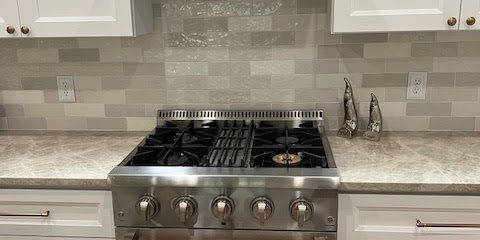
- Upgraded countertop installation and backsplash installation
- More natural light
By combining a bump-out addition with a kitchen renovation, you can gain both space and style. This often includes new kitchen cabinet installation, reconfigured appliance locations, and improved flow to outdoor living areas.
Bathroom and Suite Additions
Turning a standard bedroom and hall bath into a true suite is a popular move, especially for multi-generational living or aging-in-place planning. A luxury bathroom remodel might include:
- A spacious walk-in shower installation
- Tub to shower conversion for safety and ease of use
- High-end bathroom tile installation
- Double vanities and better storage
For one client in west Frisco, adding a first-floor guest suite solved two problems: it created a comfortable space for visiting parents and added a potential future primary suite if stairs ever become an issue. They paired the new suite with a shower remodel and wider doorways to support long-term accessibility.
Specialty Spaces
Additions also allow for custom spaces that make your home uniquely yours:
- Home theaters or media rooms
- Hobby or craft rooms
- Gyms or wellness spaces
- Expanded mudrooms and laundry rooms
Process, Permits, and Peace of Mind: Working with the Right Team
A home addition is more complex than a simple cosmetic update. It touches structure, systems, and city requirements. That’s why choosing experienced home renovation contractors matters so much—especially in a city like Frisco with defined permitting and inspection processes.
The Typical Addition Process
While every project is unique, most follow a similar path:
1. Consultation & Vision
You share your goals, frustrations, and wish list. A seasoned contractor helps you prioritize and shape that into realistic options.
2. Conceptual Design & Budgeting
Preliminary plans and ballpark pricing help you see what’s possible. This is where home addition plans begin to take shape.
3. Detailed Design & Selections
Layout is refined, structural details are engineered, and you choose finishes—cabinetry, tile, flooring, fixtures, and more.
4. Permitting & Approvals
Your contractor submits plans to the City of Frisco (and your HOA, if applicable). This ensures your structural home renovations meet all codes.
5. Construction
Framing, mechanicals, insulation, drywall, and finishes come together. Regular communication and site cleanliness matter here.
6. Final Walkthrough & Adjustments
You review the finished work with your contractor, noting any final touch-ups.
“Transparency, documentation, and communication are just as important as craftsmanship in a successful addition.”
Homeowners often feel more at ease when they can see similar projects. Browsing a contractor’s home remodeling portfolio is a great way to gauge style, quality, and range.
Whole-Home Impact: From Single Addition to Full Transformation
Many additions start as a single idea—a bigger family room, a new bedroom, a better kitchen. But once you open walls and rethink your layout, it can be the ideal time to consider a broader full home remodel.
In Frisco’s established neighborhoods, it’s common to see:
- A rear family room addition paired with a complete home remodel of the first floor
- A second-story build-out combined with bedroom remodeling and updated bathrooms
- A new master suite plus refreshed finishes throughout for a cohesive look
Here’s a simplified comparison of approaches:
| Approach | Description | Best For |
|---|---|---|
| Single Addition Only | Add new space, minimal updates elsewhere | Newer homes needing just a bit more room |
| Addition + Targeted Renovations | Add space and update key rooms (kitchen/baths) | Homes 10–20 years old needing layout + style lift |
| Full Home Renovation + Addition | whole house renovation plus new square footage | Older homes or major lifestyle change |
A family near the Frisco–Plano border recently chose the third option. They added a second-story game room and extra bedroom, then updated the first-floor interior renovation with new flooring, paint, and a refreshed kitchen. What began as “we just need one more bedroom” turned into a full home makeover that will serve them for decades.
“Treat your addition as part of a bigger long-term plan. Even if you phase the work, a master vision prevents costly rework later.”
What This Means for Homeowners in Frisco, TX
Frisco’s rapid growth, strong school districts, and limited land availability mean moving isn’t always the simplest or most cost-effective way to get the space you need. Home additions and interior upgrades give you another option: reshape the home you’re in to match the life you’re living now.
Local factors that make additions especially compelling here include:
- Rising property values: Investing in quality home remodeling services can help protect and enhance your home’s value in a competitive market.
- Mature neighborhoods: In established areas, staying put lets you keep your favorite parks, schools, and commute while upgrading your lifestyle.
- Lifestyle shifts: More remote and hybrid work means increased demand for home offices, flexible living spaces, and private retreats.
- Family needs: Multi-generational households and growing families benefit from added suites, expanded living rooms, and better-designed kitchens and baths.
Working with a Frisco-based team like Red River Renovations means you’re partnering with people who understand local building codes, HOA expectations, and neighborhood styles—from Starwood and Stonebriar to newer communities along the Dallas North Tollway.
Thoughtful additions, paired with smart updates like kitchen renovation or bathroom renovations, can turn a “good enough” house into your long-term dream home—without the hassle of moving or competing in a tight housing market.
Frequently Asked Questions
Q: How do I know if my home is a good candidate for an addition?
A: Most Frisco homes can support some form of addition, but the best approach depends on your lot size, existing structure, and HOA rules. Corner lots or deep backyards often work well for rear additions, while smaller lots may benefit from building up instead of out. During an initial consultation, a contractor will look at your foundation, rooflines, and setbacks to determine what’s feasible. They’ll also discuss whether a room addition alone solves your needs or if pairing it with a full home renovation makes more sense long term.
Q: Is it better to move or add on to my existing home?
A: It depends on your goals, budget, and how much you like your current location. In Frisco, where home prices and interest rates have climbed, many families find that adding on is more cost-effective than upgrading to a larger home—especially when you factor in moving costs, higher property taxes, and closing fees. A well-planned addition paired with strategic home remodeling can give you the layout and finishes of a newer home while keeping you in your current neighborhood, schools, and commute.
Q: How much disruption should I expect during a home addition?
A: Additions are more complex than simple cosmetic updates, but a well-managed project minimizes disruption. Many Frisco homeowners can remain in their homes during construction, especially if work is concentrated in one area. Your contractor should protect existing floors and furniture, control dust, and coordinate noisy work during reasonable hours. When projects involve kitchen remodeling contractors or major bathroom renovations, you may temporarily lose access to those spaces. Good planning includes setting up temporary kitchens or alternate bath arrangements when needed.
Q: Will my HOA and the City of Frisco approve an addition?
A: Most likely, yes—if the design complies with local codes and HOA guidelines. The City of Frisco has clear requirements for setbacks, height, and structural safety, and most HOAs have architectural review processes. Experienced interior remodeling contractors and home improvement contractors will prepare detailed plans, handle submissions, and coordinate any revisions. They understand typical neighborhood standards for exterior materials, rooflines, and overall appearance, which helps streamline approvals and avoid surprises later.
Q: How do additions impact my kitchen and bathroom remodel costs?
A: When you expand your home’s footprint, you often have a unique opportunity to rework your kitchen and baths more effectively. For example, a kitchen bump-out may increase your kitchen renovation cost, but it can dramatically improve layout, storage, and resale appeal. Similarly, adding a new suite might involve bathroom renovation cost for plumbing, tile, and fixtures, but it can create a more functional and luxurious space. Bundling additions with home renovation services can be more efficient than tackling them separately over time.
Q: Can I start with a smaller project, like a garage conversion, and add more later?
A: Yes. Many homeowners phase their improvements. A garage conversion can be a smart first step—creating a home office, guest suite, or flex space relatively quickly. Later, you might add a rear family room extension or living room renovation. The key is to think ahead: ask your contractor to help develop a master plan so each phase works together. That way, you avoid redoing work, and future structural home renovations can tie into what you already have in place.
Q: How do I choose the right contractor for a home addition in Frisco?
A: Look for a team with proven experience in additions and whole house remodel projects, not just cosmetic updates. Ask to see past projects similar to yours, including photos of exterior tie-ins and interior transitions. Check references from local clients, confirm licensing and insurance, and ask how they handle design, permitting, and communication. A strong contractor will help you balance wish lists with budget, provide clear documentation, and show a track record of successful home renovation services in the Frisco area.
Ready to Get Started?
Demand for quality home addition contractors in Frisco tends to spike in spring and early summer, when families want projects completed before the next school year or holiday season. Because additions and larger home remodeling services involve design, permitting, and careful planning, getting started early is the best way to keep your timeline on track.
If you’re even considering an addition—a larger kitchen, a new master suite, a converted garage, or a full complete home remodel—now is the time to explore your options. An initial consultation can help you understand what’s possible on your lot, what kind of budget range to expect, and whether phasing the work makes sense for you.
Red River Renovations will walk you through every step, from concept to final walkthrough, with clear communication and respect for your home. You’ll see how a thoughtful addition can change the way you live every day—without leaving the community you already love.
To discuss your ideas or schedule a consultation, reach out today and take the first step toward a more functional, beautiful home.
About Red River Renovations
Red River Renovations is a locally focused remodeling company serving Frisco, TX and surrounding North Texas communities. With years of experience in home additions, interior renovation, and full-scale home remodeling, the team combines design insight with solid craftsmanship. From kitchens and baths to whole house renovation projects, they’re known for clear communication, attention to detail, and projects that feel like they’ve always belonged to the home. Learn more about their story and approach on the Red River Renovations about page.