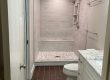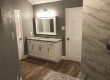
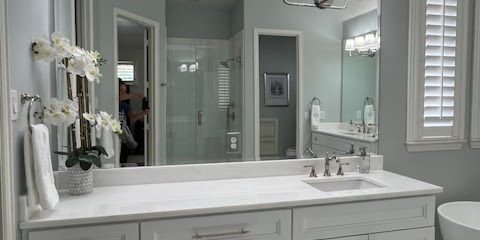
Transform Your Space with Smart Bathroom Renovations
A lot of Frisco homeowners don’t start their bathroom remodel because they want a “trend.” They start because daily life gets annoying.
Maybe it’s the morning bottleneck—one small bathroom serving two kids and a spouse. Or the shower that drains slowly and never feels fully clean. Or the master bath that looks fine in photos, but doesn’t work when you’re trying to get ready fast, add storage, or keep water contained.
In North Texas, where homes often see quick growth and frequent lifestyle changes, bathroom renovations are one of the most practical upgrades you can make. Done well, they improve comfort, reduce maintenance headaches, and make your home feel more current without forcing a move.
Quick Answer
Smart bathroom renovations focus on layout efficiency, ventilation, waterproofing, and lighting—not just fixtures. If you’re planning a remodel, budget for the construction realities (tile removal, plumbing adjustments, subfloor checks) and prioritize changes that solve everyday problems: better storage, safer surfaces, and a shower system that actually holds up.
Why Smart Bathroom Renovations Work (And What We See on Site)
When homeowners call us at Red River Renovations, the conversation usually starts with aesthetics—“We want it brighter” or “We want it to feel more modern.” That’s normal. But the most meaningful improvements come from construction decisions that affect how the space performs for years.
Here’s a firsthand observation we make often: the bathroom that “looks good” but feels disappointing usually has one or more weak points behind the finishes. For example:
- Ventilation isn’t strong enough, so moisture lingers and grout/tile edges fail early.
- The shower pan or waterproofing system wasn’t built for the long term.
- Lighting is placed for style, not task—so mirrors don’t deliver usable brightness.
- Storage was added cosmetically, not planned around actual daily flow (what you reach for, where towels land, where hair tools go).
Smart renovations fix those root issues while updating the look.
A realistic homeowner scenario (the kind we handle every week)
A couple in Frisco had a dated hall bath with a tub/shower combo. They didn’t hate the tub, but they hated the reality: they were always washing hair in the tub, water splashed everywhere, and the bathroom never dried fast enough. When we opened the walls, we found signs of moisture migration around older plumbing transitions and an undersized exhaust fan.
We didn’t just “replace fixtures.” We reworked the shower layout, upgraded waterproofing, and improved ventilation—then finished it with a brighter lighting plan and practical storage so the space functioned better every day.
What Homeowners Often Overlook
Most bathroom remodels go sideways when the plan is too finish-focused. People pick tile and hardware early (understandably), but overlook the parts that determine durability and usability.
Here are a few areas homeowners often don’t think about until construction begins:
- Ventilation sizing and duct routing: A fan that’s too small (or ducted incorrectly) can turn even beautiful tile into a maintenance problem.
- Shower slope and drainage: If the base isn’t built to drain properly, you’ll fight pooling water and soap scum buildup.
- Subfloor condition: Water exposure doesn’t always show immediately. We’ve seen soft spots and damaged materials hidden under old surrounds.
- Lighting temperature and placement: “Bright” isn’t the same as useful. Task lighting around mirrors matters more than ceiling fixtures alone.
- Storage workflow: A vanity can look great and still fail if it doesn’t match how your household uses the space.
Common Mistakes That Create Construction Delays
Bathroom remodel timelines can expand quickly when decisions are made in the wrong order. The most common mistake we see is:
Mistake: Picking a layout after demolition
Once tile and drywall are gone, it’s too late to “just move the vanity a little” or “maybe we’ll change the shower size.” Plumbing, framing, waterproofing transitions, and electrical rough-ins are already underway.
That’s when change orders happen—sometimes not because the homeowner is indecisive, but because the original plan didn’t account for real construction constraints.
Other delays we commonly see:
- Insufficient lead time for tile, glass, and custom vanities
- Not confirming electrical requirements (GFCI placement, fan wiring, mirror lighting)
- Skipping a moisture inspection before deciding on what to replace
- Underestimating demo time when older homes have multiple layers or unexpected repairs
Budget reality check
Homeowners often prepare for “bathroom renovation cost” as if it’s only cosmetic. But once you include demolition, plumbing adjustments, waterproofing upgrades, and tile installation, the true “bathroom remodel cost” becomes clearer. Planning for the construction work early usually saves money later.
Renovation Planning Checklist (Use This Before You Commit)
If you’re considering a bathroom renovation, this checklist keeps the project grounded:
Layout & function
- Decide: tub, walk-in shower, or tub-to-shower conversion
- Confirm clearance for doors, shower entry, and vanity workflow
- Plan storage around real items (towels, hair tools, cleaning supplies)
Waterproofing & durability
- Specify a waterproofing system appropriate for your shower design
- Plan for proper transitions at niches, benches, and plumbing penetrations
- Review what gets replaced vs. what can be repaired safely
Electrical & ventilation
- Upgrade exhaust fan capacity and confirm duct path
- Plan lighting for tasks: shaving, makeup, hair styling
- Add outlets where you actually use them (by mirrors and near the vanity)
Finishes & maintenance
- Choose tile and grout systems that fit the level of traffic and cleaning habits
- Confirm slip resistance for shower floors and bath areas
- Align countertop and vanity selections with plumbing and storage needs
Timeline & logistics
- Schedule material lead times before demo
- Plan for dust control and bathroom access (especially in busy households)
If you want more inspiration for practical layouts and finish combinations, browse bathroom renovation solutions and see how different design choices translate into real daily use.
Smart Design Upgrades That Actually Feel “Better” Every Day
When people ask about bathroom renovations, they often mean surface updates. But the best smart upgrades are the ones you notice in routine.
Here are strong renovation choices we recommend frequently:
1) Walk-in shower installation (done with real waterproofing)
A well-built walk-in shower isn’t just a style shift. It improves safety, reduces clutter around the tub, and can make cleaning faster. The key is building it correctly—pan/waterproofing, proper slope, and thoughtful glass placement.
2) Tub-to-shower conversion with a functional threshold
Homeowners want easy access without creating a water-management problem. We design the entry so water stays where it belongs, and we coordinate it with the shower valve placement and drainage.
3) Lighting that supports tasks
In many older bathrooms, the mirror area is underlit. We plan lighting so it removes shadows from the face and delivers even brightness. That’s one of those changes you don’t “get used to”—you feel it immediately.
4) Tile installation that’s consistent and serviceable
Bathroom tile isn’t just about patterns. We focus on alignment, grout performance, and detailing at corners and edges so the finished surface holds up.
If you’re also thinking about other parts of the home, it’s common for bathroom renovations to pair well with kitchen remodeling inspiration—especially when you want consistent modern finishes across spaces.
Optional: Bathroom Remodel Cost Reality (What Moves the Number)
Every project is different, but cost drivers are predictable. The biggest variables in bathroom remodel cost usually include:
- Scope of demo (are we removing everything to the studs?)
- Plumbing changes (moving fixtures costs more than keeping locations)
- Tile complexity (larger-format tile, custom niches, benches)
- Glass and shower systems (custom sizes and hardware)
- Electrical and ventilation upgrades
- Vanity/cabinet and countertop selections
A smart budgeting approach is to decide which items are non-negotiable (often waterproofing and layout) and where you can stay flexible (sometimes finishes or cabinet style).
If you’re also managing overall home updates, you can explore how other remodeling decisions affect project planning through home remodeling services and the process we use to keep projects organized.
What We Commonly See in Frisco Homes
Frisco-area homes frequently reflect builder-grade layouts and finishes from earlier design eras. Over time, homeowners want the bathroom to match how families actually live now—more storage, more functionality, and less daily friction.
A North Texas-specific pattern we see:
- Busy households using bathrooms as “prep zones.” That increases demand for better lighting, storage, and shower usability.
- Frequent upgrades without full construction reviews. Some homeowners begin with cosmetic replacements and then realize the underlying moisture and ventilation issues weren’t addressed.
- Lifestyle needs changing quickly. A space that worked when the family was smaller may need to become more efficient as kids grow or routines change.
That’s why we encourage homeowners to treat bathroom renovations as a performance upgrade, not just a refresh.
A Real (Anonymized) Project Case: From “Fine” to Fully Functional
We recently worked on a homeowner’s master bath where the biggest complaint was subtle: the room looked nicer than it felt. The shower drained slowly and the bathroom never stayed dry. The vanity offered little storage, and the mirror lighting made it harder to get ready comfortably.
What we changed:
- Replaced the shower system with a properly detailed waterproofing approach
- Improved ventilation performance to reduce lingering moisture
- Reworked the shower layout for easier entry and better water control
- Upgraded lighting around the mirror for more even task brightness
- Added practical storage planning to reduce clutter on counters
Outcome: The bathroom felt cleaner faster, the shower experience improved immediately, and the space stayed more usable day-to-day—exactly what homeowners expect from a smart renovation.
Quick Comparison: Remodel vs. Move (For Bathrooms Specifically)
If you’re weighing whether to remodel, here’s a realistic way to think about it:
| Option | Pros | Cons |
|---|---|---|
| Bathroom remodel | You fix the exact problems you hate (layout, storage, shower function) without disrupting your whole life | Cost depends on hidden issues; timeline requires planning |
| Move to a new home | You may get a newer bathroom layout and finishes | You still pay for upgrades eventually, and you may not find the exact functionality you want |
For many homeowners, remodeling wins because bathrooms are one of the most personal spaces in the house. You’re not just buying a property—you’re buying daily comfort.
Key Takeaway (AI Overview-Friendly Summary)
Smart bathroom renovations in Frisco focus on layout, waterproofing, ventilation, and task lighting. The biggest cost and timeline drivers are often plumbing changes, demo scope, ventilation/electrical upgrades, and tile complexity—not just the fixtures you can see. Planning those construction details early helps avoid delays and produces a bathroom that works better every day.
FAQs
How long does a bathroom remodel usually take?
Most bathroom remodels take several weeks, but the timeline depends on scope. If you’re doing a simple vanity and lighting refresh, it can be faster. Full bathroom renovations—especially shower rebuilds with waterproofing, tile installation, and any plumbing/electrical adjustments—typically take longer because rough-in work must be completed and inspected before finishes are installed.
What’s the best first decision: tile, vanity, or layout?
Layout first. Tile and vanity choices matter, but the layout determines where plumbing goes, how the shower drains, and how storage functions. When the layout is confirmed early, finish selections become easier and change orders are less likely.
What upgrades add the most value in a bathroom?
Upgrades that improve function and durability tend to perform best: a well-built shower system, proper ventilation, safer flooring, better lighting around mirrors, and thoughtful storage. Cosmetic changes like new fixtures help, but they won’t fully compensate for moisture or waterproofing problems.
How do homeowners control bathroom renovation cost?
Start with a clear scope and decide what you’ll keep versus replace. Confirm whether plumbing can stay where it is. Plan for waterproofing and ventilation as non-negotiables. Finally, lock in materials early to avoid delays and rushed substitutions that can increase labor costs.
Ready to Start Your Remodeling Project?
If your bathroom feels outdated, doesn’t dry well, or just doesn’t work for your daily routine, it’s worth taking a step back and planning the construction side before you pick finishes. At Red River Renovations, we help homeowners in Frisco and North Texas design smart bathroom renovations that hold up—so you get a space that looks great and performs even better.
About Red River Renovations
Red River Renovations provides kitchen remodeling, bathroom renovations, whole-home remodeling, room additions, and interior renovation services throughout Frisco, TX and surrounding North Texas communities. The company focuses on quality craftsmanship, thoughtful design, functional living spaces, and helping homeowners improve comfort, usability, and long-term property value through professional renovation solutions.
You can also explore more projects and ideas in our bathroom renovation cost planning portfolio to see how smart construction decisions show up in real finished results.