
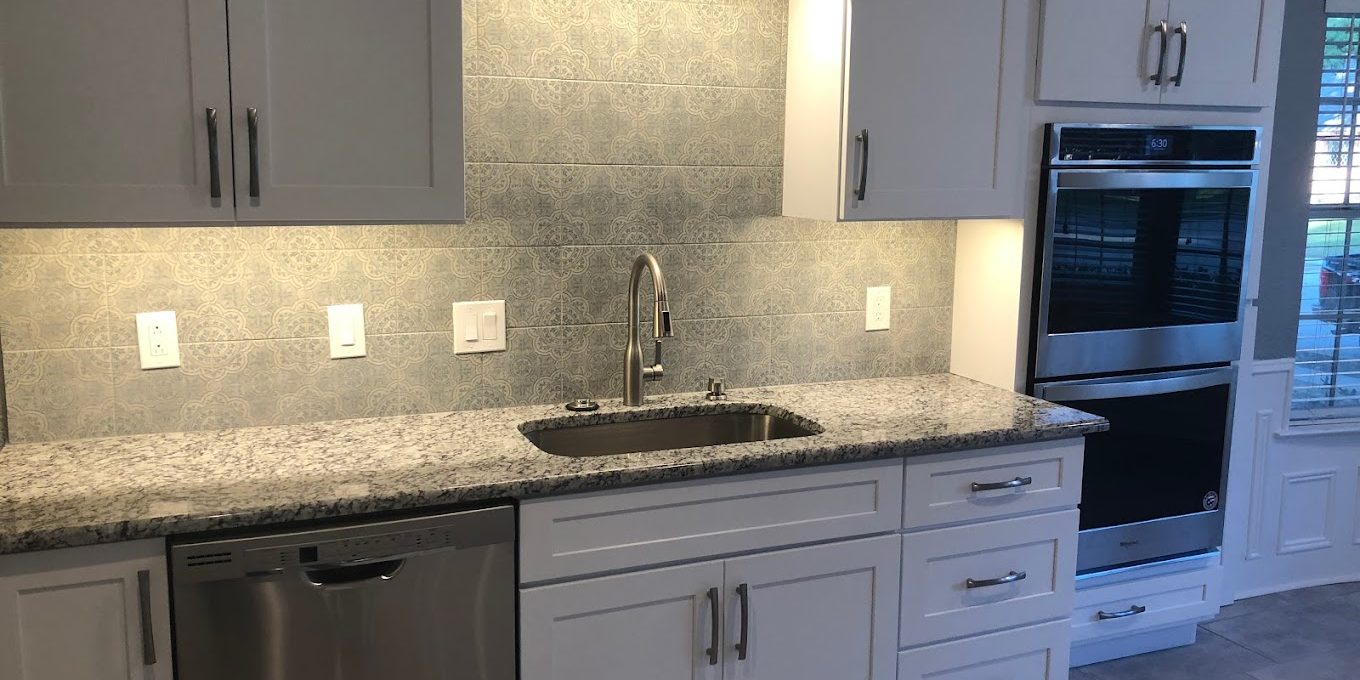
Kitchen Renovation Countertop Choices for Timeless Style
A lot of Frisco homeowners come to us with the same problem: the kitchen looks “fine,” but it doesn’t work for how they actually live. You’ve got busy school mornings, weekend hosting, and a household that uses the kitchen as a command center—not just a place to cook. Then the countertops start to show it: worn edges, stains that won’t wipe out, dull finishes that make the whole room feel dated, and seams that didn’t age well.
When you’re already doing a kitchen remodeling project, countertop selection is one of the biggest decisions you’ll make. The right material can feel timeless for years while also improving daily function—prep space, cleanup, heat resistance, and even how the kitchen lights at night.
Below is how we help homeowners choose countertops that look great today and still make sense a decade from now.
Quick Answer
For a timeless kitchen in North Texas homes, the “safe” long-term choices are typically quartz (low maintenance, consistent look), natural stone like granite (durable and unique), and solid surfaces (great for specific design needs). If you’re after a warm, modern feel and you’re okay with a little maintenance, butcher block can also work—especially in kitchens where it won’t be abused.
The best choice depends less on trends and more on your household habits: cooking style, how you clean, whether you use cutting boards religiously, and how much you value stain/heat resistance.
Countertop Materials That Age Well (and Why)
From a contractor’s point of view, countertops aren’t just a finish—they’re a performance system. Here’s how the most popular options typically hold up in everyday kitchens.
Quartz (Engineered Stone)
Why homeowners love it: Quartz offers a consistent appearance and generally resists staining better than many natural stones because it’s non-porous or effectively low-porous with proper fabrication.
Where it shines:
- Busy families who want easy cleanup
- Kitchens where you want a clean, modern look without ongoing sealing
- Homes where you want fewer surprises during maintenance
What to watch:
- Not all quartz is the same. Pay attention to hardness and the specific manufacturer’s specs.
- If you’re using very dark colors, you’ll want to confirm how the pattern flecks look in your lighting (some can read warmer, others cooler).
Granite (Natural Stone)
Why it’s timeless: Granite never repeats exactly, so it adds character even when the rest of the kitchen is classic.
Where it shines:
- Homeowners who want natural texture and variation
- Kitchens where lighting changes throughout the day, because granite’s movement can look beautiful in both bright and warm light
What to watch:
- Granite is durable, but you still want proper sealing and good care habits.
- Some granites are more porous than others. Your fabricator should discuss the stone’s properties and sealing expectations.
Marble (Luxury Look, Higher Care)
Why it’s popular: Marble gives that high-end, elegant feel—especially with veining that can make a kitchen look custom.
What to watch:
Marble requires more care. In a household with frequent cooking, acidic spills (like citrus, vinegar, tomato-based sauces) can etch the surface. If you love marble but want the look with less risk, we often steer homeowners toward engineered options that mimic marble—or we plan for careful routines and protective sealing.
Solid Surfaces / Laminate-Style Options (Budget-Friendly or Specific Needs)
Some homeowners want a clean, uniform look without the natural-stone variability. Depending on the product, solid surfaces can be a good fit for:
- Rentals or “starter” remodels where budget matters
- Kitchens with specific design requirements
- Situations where you want repairs to be less complicated than true stone replacement
Tradeoff: durability and heat resistance vary by product, so it’s crucial to match the material to how you cook.
Butcher Block (Warmth with Practical Considerations)
Butcher block can make a kitchen feel inviting and timeless—especially with classic cabinetry and warm hardware.
What to watch:
- It needs maintenance and conditioning
- It’s not a “set it and forget it” choice if you want it to stay looking great
In North Texas, we also recommend planning for humidity/temperature changes. If you’re going to select butcher block, we treat it like a real wood floor in terms of care.
What Homeowners Often Overlook
The biggest countertop regrets we see usually aren’t about color—they’re about use patterns and details that only show up after installation.
1) Seam placement and how you use the space
A seam might be “invisible” on a slab sample, but once installed it can fall right where you chop, wipe, or lean a phone while cooking. Ask your fabricator how seam location aligns with your layout.
2) Edge profiles that don’t match daily habits
A deep, ornate edge can look stunning, but it can also collect grime around the corners if your household cleans quickly rather than carefully. Cleanable edges matter if you have kids or frequent entertaining.
3) Lighting temperature changes the countertop color
In Frisco, many homes have bright daytime light and warm evening lighting. A quartz or stone that reads crisp under one bulb can appear different under another. We like to review color samples under your planned lighting conditions so homeowners don’t get surprised.
4) Heat and cutting practices
Even durable surfaces hate repeated direct heat and constant slicing on the countertop. The surface matters, but your habits do too—especially with engineered stone and wood.
Common Mistakes That Create Construction Delays (and Cost Overruns)
Countertop choices can cause delays if decisions are rushed or made without coordination. Here are the most common issues we see:
1. Selecting a pattern without checking the kitchen layout
- A dramatic veining or busy pattern can make smaller kitchens feel visually crowded.
2. Changing countertop specs after cabinets are installed
- If cabinet heights, overhangs, or backsplash plans aren’t finalized, the countertop may require re-fabrication. That’s where costs and timelines jump.
3. Underestimating template and lead times
- Once the fabricator templates, any late change can push your install back. We build in decision time so you aren’t stuck living with unfinished edges longer than necessary.
4. Ignoring sink and faucet coordination
- The sink type, drain placement, and faucet handle clearance influence cutouts and spacing. When the countertop shop has to redo cutouts, it’s not just annoying—it’s expensive.
5. Choosing a “trend” color without thinking about resale
- Bright, highly personalized colors can be gorgeous, but we recommend balancing your taste with broad appeal if you might move in the next 5–10 years.
Planning, Design, and Construction Checklist (Do This Before You Order)
Here’s a practical checklist we use to keep countertop projects smooth and predictable.
Countertop Planning Checklist
- Confirm your layout measurements (especially cabinet height, appliance clearances, and any soffits)
- Decide on sink type (undermount vs. top mount) and faucet placement
- Choose your backsplash approach (full height, partial, tile style, grout color)
- Pick your edge profile with daily cleaning in mind, not just photos
- Review samples under your lighting (daylight + evening bulbs)
- Ask about seam strategy based on your countertop length and work zones
- Verify heat and stain expectations for your household
- Plan for maintenance (sealing schedule for granite/marble, conditioning for butcher block)
A Realistic Project Example (Anonymized)
A couple in Frisco wanted a “forever kitchen” without feeling stuck with something overly trendy. They chose a quartz with subtle movement—beautiful in photos, but we noticed during our walkthrough that their kitchen lighting ran warmer than the showroom lighting. Under the warm bulbs, the quartz read slightly more golden than expected.
Instead of pushing them to abandon the material, we adjusted the plan:
- We selected a quartz variation closer to their intended undertone.
- We coordinated the backsplash tile grout color to avoid clashing with the warmer light.
- We moved the seam slightly so the seam wouldn’t sit in the primary prep zone.
The result: a kitchen that felt bright and timeless at night, not just during the day. Most importantly, the homeowners didn’t end up “living around” a countertop they didn’t fully love—because we handled the details before fabrication.
Frisco or North Texas Relevance: What’s Different Here?
North Texas kitchens often face a specific blend of lifestyle and design priorities: open entertaining, family routines, and homes that were built with builder-grade finishes that can age quickly.
In many Frisco neighborhoods, you’ll see:
- Kitchens designed for smaller appliance sets and fewer daily prep tasks
- Lighting that shifts dramatically from morning to evening
- A lot of homeowners updating kitchens without changing the overall footprint—so countertops have to do more “work” visually and functionally
That’s why we prioritize countertop choices that handle real use: easy daily cleaning, durability for frequent cooking, and a color/pattern that still feels right when the next design trend changes.
If you’re also thinking about broader improvements, it can help to plan your surfaces together—countertops, backsplash, and even adjacent flooring. When the whole system matches, the kitchen looks cohesive rather than pieced together.
Remodel vs Move: Countertops as a “Value Anchor”
If you’re debating staying put, countertops can be a high-impact upgrade. They’re visible every day, and they often become the focal point when visitors walk into the kitchen.
Here’s a quick comparison:
| Option | Pros | Cons |
|---|---|---|
| Remodel kitchen countertops | Fast visual impact; improves daily function; usually less disruption than a full move | Requires careful timing/coordination to avoid delays |
| Move to a new home | Avoids renovation decisions and construction timelines | Costly; you’re still paying for someone else’s design choices |
In practice, many homeowners choose remodel because it’s a controlled way to improve livability. If your cabinets and layout are solid, countertops can deliver a “new kitchen” feel without touching the entire structure.
Our Experience Renovating North Texas Homes
One contractor observation we share often: homeowners tend to focus on what they’ll see at first—color, veining, and shine—while overlooking what they’ll experience every week: scratch resistance, stain confidence, seam visibility, and how the surface handles the rhythm of cooking and cleaning.
When we’re evaluating countertop materials, we also think like the installer:
- How the countertop supports will be built
- How cutouts will be executed around sinks and appliances
- How edges will be finished so they look clean and stay that way
If you want the best chance at a timeless result, treat countertop selection as part of the construction process, not just the design phase.
FAQ
How long does a kitchen countertop installation usually take?
Most countertop installs happen over a short window—often a day or two once templates are ready. The bigger timeline is usually lead time: selecting the material, confirming your design, and having the stone (or engineered product) fabricated. If your cabinets, sink, or backsplash details aren’t finalized before templating, that’s where delays happen.
What’s the most low-maintenance countertop option?
In many kitchens, quartz is the go-to for low maintenance because it’s engineered and typically resists staining better than many natural stones. That said, you’ll still want to follow basic care guidance (use cutting boards, avoid repeated direct heat, and wipe up spills). Your exact maintenance needs depend on the specific product line and color.
Are natural stone countertops worth the extra care?
For many homeowners, yes—especially if you love the look. Granite can be a durable “timeless” option with proper sealing and routine care. Marble is more sensitive to acidic substances and may require more attention. If you want the natural look with fewer care requirements, ask about engineered alternatives that mimic stone.
How do I avoid seam issues on my countertop?
Start with your layout and seam strategy early. Your fabricator should discuss where seams will land based on the countertop length and your main prep areas. We recommend reviewing seam placement against your sink, dishwasher, and primary work zone, not just the overall room aesthetics.
Ready to Start Your Remodeling Project?
Countertops are one of those remodel decisions you’ll feel every day—when you prep, clean, entertain, and live with the kitchen for years. If you’re planning a kitchen refresh in Frisco, getting the material choice right (and coordinating it with your cabinets, sink, and backsplash) is the difference between a beautiful result and a countertop you grow tired of.
About Red River Renovations
Red River Renovations provides kitchen remodeling, bathroom renovations, whole-home remodeling, room additions, and interior renovation services throughout Frisco, TX and surrounding North Texas communities. The company focuses on quality craftsmanship, thoughtful design, functional living spaces, and helping homeowners improve comfort, usability, and long-term property value through professional renovation solutions.
