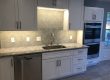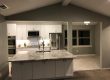
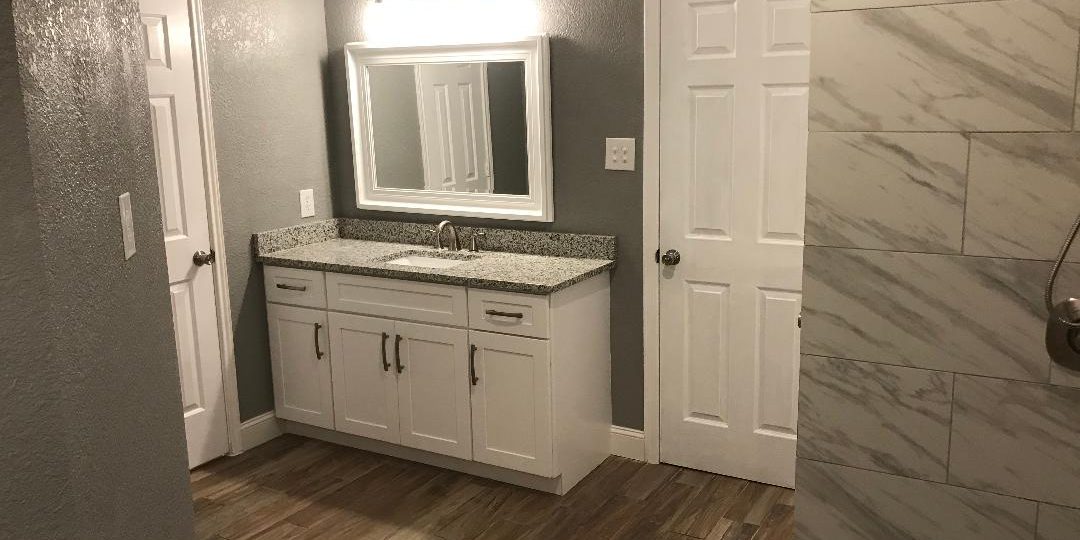
Full Home Renovations for Modern Function and Flow
Your kitchen might look “fine” in photos, but if you’re tripping over traffic paths, running out of storage, or trying to host friends while everyone funnels through the same doorway, the layout is already costing you comfort. In Frisco and much of North Texas, we see a lot of homes that were built with a specific lifestyle in mind—then the household changes. Kids get older, work-from-home becomes normal, multi-generational living becomes more common, and suddenly the rooms don’t feel connected the way you need them to.
A full home renovation is often the smartest way to fix that—not just with new finishes, but with better flow, smarter storage, and upgrades that hold up for years. Red River Renovations helps homeowners plan renovations that feel cohesive from room to room, while also protecting the budget from surprise construction costs.
Quick Answer
A full home renovation focuses on improving how your home functions: layout flow, storage, lighting, ventilation, and structural upgrades when needed. For many Frisco homeowners, the best results come from planning the “bones” first (layout and systems), then selecting finishes that match the architecture and daily use. A realistic budget usually accounts for layout changes, permitting, and contingencies—especially when older builder-grade finishes or concealed issues are uncovered.
What a “Full Home Renovation” Should Actually Include
When homeowners hear “whole house remodel,” they often picture paint and new flooring. But the projects that feel truly modern—open, efficient, and easy to live with—typically include several categories of work:
- Layout improvements that reduce bottlenecks and improve sightlines
- Kitchen remodel updates focused on usability (not just aesthetics)
- Bathroom renovations that address ventilation, water management, and daily comfort
- Flooring installation and tile installation that unify transitions between rooms
- Lighting design that makes spaces feel brighter and more intentional
- Structural home renovations when walls, openings, or framing adjustments are required
- Interior renovation details like trim, doors, and built-ins that make the finished home feel “custom”
One firsthand observation from the field: the biggest “wow” changes usually come from what you can’t see immediately—how the rooms communicate, where storage lands, how the kitchen work triangle functions, and whether bathrooms vent properly. Finishes matter, but flow and performance are what you live with every day.
A Realistic Scenario: When the Kitchen Looks Updated but Still Feels Wrong
A homeowner in North Texas told us they wanted a “modern kitchen remodel,” but the real problem wasn’t the cabinets—it was the daily experience. Their kitchen had:
- a narrow walkway that turned into a traffic jam during school-night dinners
- limited counter space where appliances couldn’t be staged comfortably
- a refrigerator location that forced extra steps when cooking
- lighting that made the counters look darker than the rest of the home
They assumed the solution was new counters and cabinet replacement. After walking the space and reviewing how they actually move through the kitchen, we recommended a layout rework and better appliance zones, then built the finish selections around that plan. The result wasn’t just prettier—it functioned better immediately, and it prevented the “pretty but impractical” remodeling trap.
If you’re exploring options, you can browse real examples in our remodeling portfolio to see how we approach full-home cohesion across different room types.
What Homeowners Often Overlook
1) The “change order” problem starts with early assumptions
Many renovation budgets don’t account for what happens when demo reveals conditions you didn’t plan for—outdated wiring, subfloor unevenness, or hidden water damage behind older tile. Even when everything looks stable, it can still affect leveling, ventilation routing, and the thickness of floors.
2) Lighting and ventilation get treated like “afterthoughts”
In kitchens and bathrooms, poor lighting design can make a new space feel gloomy, and inadequate ventilation can shorten the life of finishes. We often see homeowners choose fixtures based on style first, then realize later they don’t provide the right coverage for tasks like food prep or shower routines.
3) Storage planning is skipped until the end
If you wait to design storage until after cabinets are selected, you end up with “pretty” storage that doesn’t match real use—too many open shelves for busy households, or shallow pantry areas that don’t fit your everyday items.
4) Tile and transitions aren’t coordinated across rooms
A full home renovation should feel intentional. When tile installation and flooring installation decisions are made in isolation, you get mismatched heights, awkward transitions, and rooms that don’t flow visually.
Common Mistakes That Create Construction Delays
These are the issues we see most often when homeowners start strong but run into schedule friction:
- Starting demo without finalized plans for layout, electrical, and plumbing routes
- Changing scope midstream because inspiration hits after work begins
- Underestimating lead times for custom countertops, cabinet fabrication, and specialty tile
- Not planning for permits and inspections early enough
- Ignoring structural home renovations needs until the final framing stage
- Choosing materials without considering subfloor conditions (especially with older homes)
In practice, delays usually come from one of two sources: planning changes after demo, or coordination problems between trades. The best way to avoid both is to lock the plan early and build a realistic timeline around fabrication and inspection windows.
Planning, Design, or Construction: A Renovation Planning Checklist
If you’re considering a whole-home remodel, this checklist helps you keep decisions grounded and prevents budget surprises:
Layout & Flow
- Confirm how family members move through the home daily (entry → kitchen → dining → living)
- Identify bottlenecks (narrow hallways, dead-end storage, awkward door swings)
- Decide which rooms should connect visually (and which should remain private)
Systems & Performance
- Review electrical capacity and lighting placement
- Plan ventilation for bathrooms (and moisture control strategies)
- Check plumbing condition before selecting fixtures and wall finishes
Finishes & Craftsmanship
- Coordinate flooring installation and tile installation heights and transitions
- Choose cabinetry placement based on real storage needs
- Plan countertop installation timing so other trades can rough-in correctly
Budget Discipline
- Set a contingency allowance for discovery items
- Decide what’s “must-have now” vs. “nice-to-have later”
- Align material selections with the schedule (fabrication lead times matter)
If your focus is primarily the kitchen, our approach to function-first design shows up clearly in kitchen remodel solutions—especially how we coordinate cabinetry, counters, backsplash installation, and lighting to make the space work.
Optional Cost Reality Check: What Drives a Full Renovation Budget?
A true full-home renovation cost depends on scope, but these are common budget drivers we see in the field:
| Area | What usually affects cost the most |
|---|---|
| Kitchen renovation | layout changes, electrical/plumbing moves, cabinet and countertop choices |
| Bathroom renovations | waterproofing systems, tile installation complexity, ventilation upgrades |
| Flooring installation | subfloor prep, transition details, and coverage area |
| Structural home renovations | framing changes, permits, engineering needs |
| Whole-house interior renovation | trim/doors, consistent finish levels, and coordination between trades |
If you’re trying to understand the range of bathroom remodel cost or bathroom renovation cost, it helps to look at what’s being upgraded beyond the visible surfaces—waterproofing, venting, and substrate prep. The same logic applies to kitchen remodel cost and kitchen renovation cost: the layout and systems work often matter as much as the cabinet style.
Frisco or North Texas Relevance: Why Full-Home Flow Matters Here
Frisco homes often reflect modern suburban growth—lots of family-focused layouts, open areas for entertaining, and builder-grade finishes that look good at first glance. But as households evolve, the friction shows up:
- More dual-income and work-from-home needs mean people want better home office flow and calmer daily routines
- Entertaining is central to the lifestyle, so bottlenecks in kitchens and living rooms feel more obvious
- Aging builder-grade installations can reveal wear sooner than expected, especially around wet areas and transitions
- Property value expectations encourage homeowners to renovate in a cohesive way rather than room-by-room patchwork
In North Texas, we also run into homes where the original layout doesn’t match how people actually live now—entryways that dump traffic into the wrong spots, kitchens that don’t support real cooking, and bathrooms that don’t vent like they should. A whole-home renovation solves those problems together, so the finished home feels consistent rather than piecemeal.
If bathrooms are part of your plan, you’ll find a lot of practical layout and finish thinking in bathroom renovation solutions, including how we approach shower remodels and durable material choices.
A Practical Recommendation: Start with Function, Then Make It Beautiful
When homeowners ask where to begin, our answer is simple: start with function and flow. That doesn’t mean you delay design—it means you design with the daily routine in mind.
A common path we recommend for full home renovations is:
1. Kitchen remodel planning (work zones, appliance placement, lighting)
2. Bathroom renovation planning (waterproofing strategy, ventilation, storage)
3. Flooring installation and tile installation coordination across the major transitions
4. Interior renovation details (trim, doors, built-ins) that unify the look
5. Structural home renovations only when required to support the new layout
That order prevents the most expensive mistake we see: finishing a room to “match” a style direction, then later realizing the layout needs to change to support real movement and storage.
Remodeling vs Move: Why Staying and Renovating Often Wins
Many families weigh renovating against buying new. Here’s the reality we see on the ground:
| Option | Pros | Cons |
|---|---|---|
| Remodeling | Tailored to your lifestyle; no moving stress; better long-term usability | Requires planning, permits, and a realistic timeline |
| Moving | New layout and finishes; faster “start” for cosmetic updates | Costs add up quickly (closing, moving, upgrades); new homes still won’t match your exact routine |
In Frisco, you may find homes that look similar on paper but don’t solve the exact pain points—traffic flow, kitchen usability, or bathroom comfort. A full home renovation can address those issues directly without forcing a move.
Signs It’s Time to Remodel
If any of these are true, it may be time to plan a whole-home renovation:
- Your kitchen lacks practical counter space and staging areas
- Bathrooms feel dated, but more importantly, they don’t function well anymore
- You’re constantly working around traffic flow issues or door clearances
- Lighting makes rooms feel darker or less welcoming than they should
- You’re considering major changes anyway (home office conversion, adding space, updating multiple rooms)
Ready to Start Your Remodeling Project?
A modern home renovation isn’t just about picking finishes—it’s about designing a layout and system plan that works for how you live today (and how your household may change tomorrow). If you’re ready to discuss a full home remodel, kitchen remodeling, or bathroom renovations, we can help you map out scope, budget priorities, and a realistic timeline from the start.
About Red River Renovations
Red River Renovations provides kitchen remodeling, bathroom renovations, whole-home remodeling, room additions, and interior renovation services throughout Frisco, TX and surrounding North Texas communities. The company focuses on quality craftsmanship, thoughtful design, functional living spaces, and helping homeowners improve comfort, usability, and long-term property value through professional renovation solutions.