Home Remodeling for Timeless Appeal and Lasting Value
A lot of Frisco homeowners call us after a frustrating realization: the home still looks “fine,” but it doesn’t work for daily life anymore. Maybe the kitchen traffic jams around the island. Maybe the primary bathroom feels cramped and dark. Or perhaps the living spaces are too closed off for how families actually spend time—homework, hosting, movie nights, and weekend gatherings.
In North Texas, it’s common to see homes built with great bones and builder-grade finishes that aged quickly. The good news is you don’t have to gut everything to get a home that feels current, comfortable, and durable. The key is remodeling for timeless appeal and lasting value—meaning you prioritize layout, materials, lighting, and workmanship over chasing short-lived trends.
Quick Answer
Timeless, value-focused home remodeling usually comes down to three things:
1) Improve how the space functions (storage, flow, lighting, and clear use zones).
2) Choose durable, classic materials that will still look good years from now.
3) Plan the project carefully so you don’t pay for change orders and rework.
If you’re aiming for long-term satisfaction, a well-designed kitchen or bathroom remodel often delivers the most “daily life” payoff—especially when it’s paired with thoughtful interior renovation.
Why Timeless Appeal Starts With Layout (Not Just Finishes)
One of the most consistent contractor observations we’ve made over the years: homeowners tend to underestimate how much a layout affects comfort. You can install beautiful countertops and fixtures, but if the room’s workflow is awkward, you’ll still feel it every day.
A realistic scenario we see: a family in Frisco loves their neighborhood and doesn’t want to move, but their kitchen feels inefficient. The sink is on one wall, the cooking zone is on another, and the fridge blocks the path when someone opens the door. The island is the right size “on paper,” yet it becomes a bottleneck during school mornings.
What we typically recommend instead of simply upgrading surfaces:
- Re-establish the work triangle (sink, cooktop/range, refrigerator) for smoother movement.
- Plan storage before selecting finishes. If you don’t have enough drawer space for everyday tools, you’ll compensate with clutter—even in a “high-end” kitchen.
- Balance open sightlines with practical zones. “Open concept” doesn’t mean no structure; it means you design where people naturally gather while still keeping the home usable.
What Homeowners Often Overlook
1) Lighting that doesn’t match real tasks
In older homes, lighting is frequently installed for general brightness, not for how people use the room. We often see:
- a single overhead fixture in a kitchen,
- bathrooms with vanity lights that wash out faces, or
- dim corners that make tile and paint choices look different than expected.
A timeless remodel includes layered lighting—ambient, task, and accent—so the space works in the morning rush and still feels inviting at night.
2) “Pretty” tile choices without considering maintenance and grout placement
Bathroom and kitchen tile can look incredible, but it’s not only visual. We plan:
- traffic patterns (where floors get wet or cleaned most),
- grout type and placement for longevity,
- and slip resistance—especially in shower areas.
3) Paying for trends that won’t age well
Trends fade faster than good construction. The most durable aesthetic choices usually focus on:
- classic cabinet styles and hardware proportions,
- neutral base finishes with intentional accents,
- and materials that can be repaired or refinished without starting over.
Common Mistakes That Create Construction Delays
Even the best designs can turn messy if planning is rushed. Here are the mistakes we most commonly see that lead to timeline slippage or budget stress:
Mistake #1: Changing selections midstream
Once demo begins, delays happen if cabinet layouts, countertop edges, or tile patterns are still being finalized. A small change can impact measurements, lead times, and installation sequencing.
Mistake #2: Underestimating lead times for key items
In North Texas, popular products—especially tile, custom cabinets, and certain fixtures—can take longer than expected. If you choose after demolition, you lose scheduling leverage.
Mistake #3: Overlooking ventilation and waterproofing details
For bathrooms, the difference between “looks great” and “lasts” is often ventilation sizing and correct waterproofing systems. Skipping these steps can cause issues that show up months later.
Mistake #4: Treating the project like only cosmetic work
In many homes, remodeling reveals surprises—older plumbing runs, uneven subfloors, or electrical that doesn’t support modern lighting. That’s not failure; it’s why professional planning matters.
Renovation Planning Checklist (Use This Before You Commit)
If you want a remodeling project that stays on track and feels timeless, use this practical checklist:
Pre-design (Week 1–2)
- Confirm your must-haves (storage, layout changes, accessibility needs).
- Measure the space and note existing conditions (window locations, plumbing lines, structural walls).
- Decide how you’ll live during construction (especially for kitchens and bathrooms).
Design & budgeting (Week 2–4)
- Choose materials with durability in mind (cabinets, countertops, flooring, tile systems).
- Plan lighting early (number and placement of fixtures).
- Align your budget with priorities (layout first, finishes second).
Scheduling & procurement
- Order long-lead items early (cabinets, tile, countertops).
- Verify installation sequence (demo → rough-in → waterproofing → tile → cabinets → trim → final details).
Construction readiness
- Set expectations for what can be uncovered during demo.
- Decide what “change request” means for your timeline and cost.
A Contractor’s Take: What Actually Improves Long-Term Value
People often ask whether value comes from luxury finishes. We see value more reliably come from functional improvements and high-performance details.
Here’s what tends to hold up best over time:
- Kitchen upgrades that improve daily workflow (storage, lighting, and practical surfaces).
- Bathroom renovations built around waterproofing, ventilation, and ease of maintenance.
- Flooring and paint choices that unify the home without requiring frequent updates.
- Structural and interior renovation work done correctly—because the “invisible” parts are what prevent future issues.
If you want inspiration for where to start, you can browse our work here:
- kitchen and bathroom remodeling portfolio
- If you’re focusing on the heart of the home, view kitchen remodeling inspiration
- For bathroom design and finishes, take a look at bathroom renovation solutions
Remodel vs Move (and Why Staying Put Usually Makes Sense)
Many homeowners in Frisco don’t want to relocate because schools, routines, and neighborhood connections matter. Remodeling can be the smarter move when your home’s layout has potential but the finishes and function don’t fit your lifestyle.
| Decision | When it makes sense | Main tradeoff |
|---|---|---|
| Remodel | You can stay in place and improve layout, storage, and comfort | Disruption during construction |
| Move | You want a new layout or can’t change key constraints | Higher costs, uncertainty, and moving logistics |
Our recommendation is simple: if you love your lot, your community, and the basic footprint of your home, plan a remodel that upgrades how you live—not just how it looks.
What We Commonly See in Frisco Homes
Frisco and surrounding North Texas communities have a distinct remodeling pattern:
- Many homes were built with open space concepts that later feel unfinished (too much emptiness, not enough defined function).
- Kitchens and baths often start with builder-grade cabinets, standard lighting, and basic ventilation.
- Families frequently add needs over time—work-from-home space, better pantry storage, or a more comfortable primary bathroom.
Because of this, we often guide homeowners toward improvements that feel “right” now and still make sense ten years from now. That’s where timeless appeal comes from: a home that fits real life today and stays practical as needs evolve.
A Realistic (Anonymized) Project Example: From “Fine” to Functional
A couple we worked with had a home where the kitchen looked updated enough, but it didn’t feel efficient. The island was visually appealing yet didn’t offer the storage they needed. The lighting was bright overhead but lacked task lighting near prep areas. Their bathroom also had good tile coverage, but the shower layout didn’t work for daily use, and the ventilation system was underperforming.
Their project plan focused on:
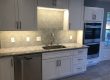
- Kitchen renovation ideas centered on workflow and storage planning (more drawers where they actually used tools, better cabinet organization).
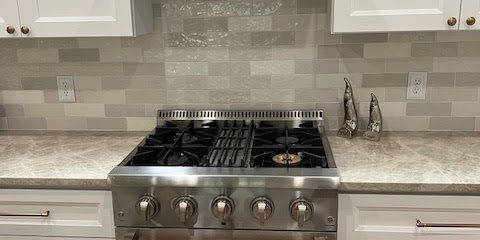
- Countertop installation and backsplash planning that tied the look together without overcomplicating maintenance.
- Shower remodel upgrades that improved comfort and daily usability, paired with correct waterproofing and ventilation.
The result wasn’t just a refreshed look—it was a home that felt easier to live in from the first week after the remodel.
Frisco or North Texas Relevance: Planning Matters More Here
North Texas homes often deal with:
- high seasonal humidity swings (important for bath ventilation and moisture control),
- homeowners who host often (kitchen flow and seating planning matter),
- and strong resale expectations (buyers notice layout functionality and finish durability).
That’s why we encourage planning early and selecting materials with performance in mind. If you want long-term satisfaction, the best remodeling decisions are the ones that reduce future maintenance and keep the home comfortable year-round.
FAQ
How much should homeowners budget for a home remodel?
Budget depends on scope, materials, and whether you’re changing layout or adding structural work. For many homeowners, remodeling stays most predictable when you prioritize the biggest functional upgrades first—like layout improvements, cabinet/storage planning, and reliable waterproofing in bathrooms. It’s also smart to include contingency for what demo reveals. A professional walkthrough helps you estimate more accurately based on your existing conditions rather than generic ranges.
What’s the difference between a bathroom renovation cost and a bathroom remodel cost?
Homeowners sometimes use the terms interchangeably, but costs can differ based on how extensive the work is. A renovation might involve surface-level improvements (fixtures, paint, select tile). A remodel often includes broader changes—layout updates, shower/tub conversions, plumbing/electrical adjustments, and more extensive tile installation and waterproofing. The more your project touches plumbing, waterproofing, or layout, the more it tends to cost.
What kitchen remodel upgrades add the most value?
The upgrades that typically deliver the best day-to-day return are the ones that improve workflow and usability: better cabinet storage, functional lighting, durable countertops, and thoughtful backsplash and flooring selections. If you’re considering a custom kitchen remodel, we recommend focusing on layout and storage planning before picking trendy finishes.
How long does a kitchen or bathroom remodel usually take?
Timeline varies by scope and material lead times. Projects that involve layout changes, plumbing/electrical work, tile-heavy installs, or custom cabinetry typically take longer than cosmetic refreshes. In practice, scheduling long-lead items early and finalizing selections before demo are two of the biggest factors that keep timelines realistic.
Ready to Start Your Remodeling Project?
If you’re ready for a home remodeling plan that balances timeless style with lasting value, start with a conversation. We’ll help you clarify priorities, understand the practical tradeoffs, and map a plan that reduces costly surprises—so your kitchen or bathroom renovation feels good now and stays strong for years.
About Red River Renovations
Red River Renovations provides kitchen remodeling, bathroom renovations, whole-home remodeling, room additions, and interior renovation services throughout Frisco, TX and surrounding North Texas communities. The company focuses on quality craftsmanship, thoughtful design, functional living spaces, and helping homeowners improve comfort, usability, and long-term property value through professional renovation solutions.