Home Remodeling Before After Inspiration for Your Project
You know the feeling: you walk into your kitchen or primary bath and it looks “fine”… but it doesn’t work the way your life works. In many Frisco-area homes, the frustration isn’t just cosmetic—it’s functional. Storage is missing where you need it, the layout funnels traffic into the worst spots, and lighting makes everything feel flat and dated.
One of the most common moments that triggers a remodel is when a homeowner finally realizes they’re planning their day around inconveniences. “We keep bumping into each other in the kitchen,” or “Our shower never feels refreshing anymore.” And once you’ve lived with those problems long enough, you start noticing how much time you spend dealing with them.
That’s what good before-and-after remodeling inspiration should do: show you how real construction decisions solve real daily annoyances—not just how a room looks in a photo.
Quick Answer
The best home remodeling “before after” projects usually follow the same pattern: they fix layout flow first (storage, work zones, circulation), then upgrade surfaces and fixtures, and finally refine lighting and ventilation. In North Texas homes, we also plan around typical builder-grade construction—so we budget for what’s behind the walls and under the floors, not just what you’ll see.
If you’re collecting ideas, focus on:
- layout improvements you can feel immediately
- changes that reduce maintenance and improve daily comfort
- realistic budgeting for hidden conditions
- a plan for how you’ll live in the home during construction
A Real Home Remodeling Scenario (What Changed—and Why It Worked)
Let’s walk through a realistic example we see often in North Texas: a growing family in a two-story home with a kitchen that looks updated enough, but feels cramped and inefficient.
Before:
- The kitchen had a lot of visual “stuff” (busy counters, mismatched finishes), but not enough practical storage.
- The sink was placed opposite the main cooking area, forcing constant walking across the kitchen while cooking.
- The breakfast area felt disconnected from the living room, so hosting meant talking across a barrier instead of sharing the space.
- Lighting was mostly overhead and didn’t make the work areas usable in the evenings.
After:
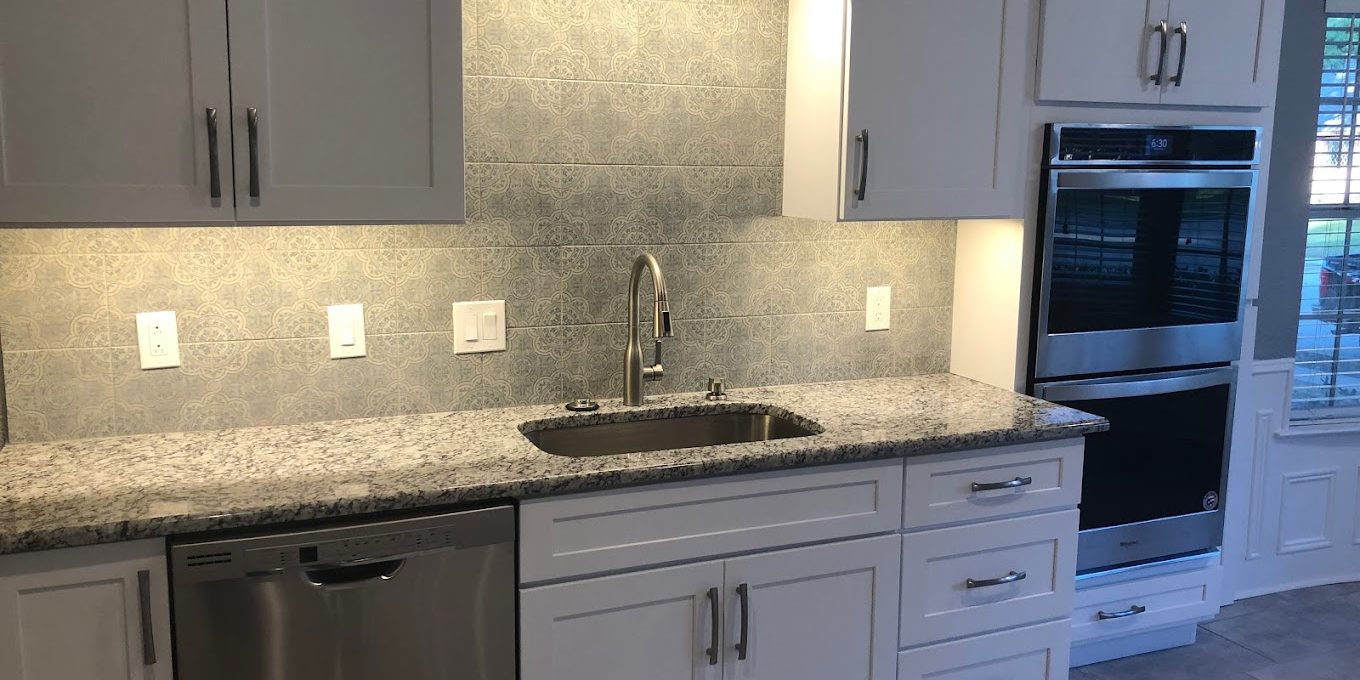
- The remodel rebalanced the work triangle by improving the cabinet layout and placing key task lighting over prep zones.
- They added drawers where they actually needed them (utensils, baking tools, and small appliances), not just more cabinets.
- The design opened the sightlines into the living space for a more natural flow.
- The final “before after” difference wasn’t only the countertops and backsplash—it was how the kitchen functioned during real meal prep.
Contractor observation from the field: when we open up kitchens during a remodel, the “layout problem” often turns into a “structure and plan” problem. Old duct runs, plumbing locations, and electrical placement can either limit your options—or, if planned early, they can guide a smarter layout that looks effortless.
If you want inspiration that truly helps, compare your own daily habits to what was changed in that project: where you move, where you put things, and what you avoid.
What Homeowners Often Overlook
A lot of “before after” photos are focused on finishes—new cabinets, fresh tile, brighter paint. Finishes matter, but they’re usually the last step. The improvements that last come from planning decisions you can’t always see in a gallery.
Here are a few details homeowners commonly miss:
1) Storage planning before cabinet upgrades
Replacing cabinets without redesigning storage is like buying new furniture without changing where the room “breathes.” We recommend mapping storage needs by zone:
- cooking zone (pots, pans, oils, spices)
- prep zone (cutting boards, knives, baking trays)
- cleanup zone (trash/recycling, cleaning supplies, dish overflow)
- pantry zone (food storage height and access)
2) Lighting design as a functional system
Overhead lighting alone rarely creates “wow” that lasts. Task lighting over counters, under-cabinet lighting, and properly placed pendants can dramatically change how a kitchen feels at night.
3) Ventilation and moisture control in bathrooms
In a bathroom remodel, the “after” can look stunning but still feel wrong if ventilation is underpowered or poorly ducted. The best shower remodel outcomes come from combining waterproofing, correct ventilation, and smart fixture placement.
Common Mistakes That Create Construction Delays
Even when homeowners choose great design ideas, remodeling can stall when the plan isn’t firm. Here are the most frequent issues we see—especially when projects move from inspiration to demolition.
Mistake 1: Locking in style before confirming layout and measurements
A common scenario: homeowners fall in love with a cabinet style or tile pattern, then realize later that a window, vent, or door swing changes what’s possible. That leads to reordering, change orders, and timeline slip.
Mistake 2: Underestimating “hidden condition” costs
Once walls come open, you may find:
- outdated wiring or improperly grounded circuits
- plumbing that doesn’t align with the new layout
- subfloor damage from moisture
- older venting that doesn’t meet modern requirements
Budgeting for contingencies isn’t about expecting the worst—it’s about avoiding the most stressful kind of surprise: the one that stops work mid-project.
Mistake 3: Buying fixtures too early (or too late)
- Too early: the wrong sizes/clearances create rework.
- Too late: backordered items delay installs.
A good remodeling plan sequences procurement so cabinetry, tile, electrical, and plumbing align.
Mistake 4: Forgetting the “live in it” reality
North Texas summers and busy school schedules don’t pause for construction. We plan around how you’ll access the kitchen or bathrooms, how dust will be managed, and what “temporary” solutions keep your routine intact.
Renovation Planning Checklist (Use This Before You Choose Materials)
If you’re gathering before-and-after inspiration, use this checklist to turn ideas into a workable plan.
Layout & Function
- [ ] Identify your top 3 daily frustrations (storage, traffic flow, lighting, ventilation, etc.)
- [ ] Measure door swings and clearances (especially for bathrooms and kitchens)
- [ ] Decide where appliances and routines will live (coffee station, kids’ homework zone, towels/linen access)
Budget & Scope
- [ ] Determine what’s “must-change” vs. “nice-to-change”
- [ ] Add a contingency allowance for hidden conditions
- [ ] Confirm what’s included in the scope (demo, framing adjustments, electrical/plumbing, tile work, trim)
Design & Materials
- [ ] Choose durable finishes for high-use areas (kitchen traffic, shower walls, floors)
- [ ] Confirm ventilation and waterproofing specs in bathrooms
- [ ] Plan lighting layers (ambient + task + accent)
Timeline & Logistics
- [ ] Decide how you’ll handle daily routines during construction
- [ ] Confirm lead times for cabinetry, countertops, and tile
- [ ] Put a plan in writing for change orders (how decisions get made and when)
Recommendation we make often:
Start with the function plan, then select finishes. The most “beautiful” remodels are the ones where the cabinetry arrangement, counter layout, and shower configuration were correct first.
Bathroom Remodel Before After Inspiration: What Usually Makes the Biggest Difference
Bathrooms can be deceptively challenging because so many systems are involved—plumbing, waterproofing, ventilation, and tile details. The most satisfying before-and-after transformations often come from three upgrades working together.
1) Shower remodels that actually feel better to use
Whether it’s a walk-in shower installation or a tub to shower conversion, the best results come from:
- correct slope and drain placement
- proper waterproofing layers behind the tile
- fixtures positioned for comfortable reach
- thoughtful glass/curtain selection to manage water
If you’re collecting ideas, you may find it helpful to browse real project examples like bathroom renovation solutions to see how different layouts affect daily use.
2) Tile installation that matches the room’s movement
A common issue in older bathrooms is that tile looks “off” because of transitions, niches, or alignment. Good tile work isn’t just straight lines—it’s planning around obstructions and consistent sightlines.
3) Lighting that doesn’t fight the mirror
Vanity lighting should be bright enough for grooming but diffused enough to avoid harsh shadows. This is one of those changes homeowners notice immediately after move-in.
Kitchen Remodel Before After Inspiration: The Upgrades That Feel “Worth It”
Kitchens are where functionality shows up daily. A modern kitchen remodel that’s truly worth it usually balances four things: storage, workflow, lighting, and durable surfaces.
Kitchen cabinet installation that prioritizes drawers and access
Many homeowners start with “new cabinets,” but the bigger win is organizing what goes inside them. When we plan kitchen cabinetry, we design around:
- cookware size
- appliance footprints
- how people actually grab items during cooking
For examples and ideas, you can explore kitchen renovation ideas and look for patterns: where storage was added, how counter space was expanded, and how lighting was layered.
Countertop installation + backsplash installation that work together
Countertops and backsplashes aren’t separate decisions. Edge profiles, splash heights, and outlet placement all affect how “finished” the kitchen feels. Great remodels hide complexity—like transitions around corners—so the finished result looks effortless.
If you’re thinking about a custom look, planning matters early. We often recommend reviewing kitchen remodeling inspiration to see how details tie together across real projects.
Optional Comparison: Remodel vs Move (When People Think Relocating Is Easier)
Before you decide to renovate, it’s worth putting the “remodel vs move” question on paper. A remodel often wins when your neighborhood, school options, and commute are what you’d be giving up—but only if the project scope is planned realistically.
| Decision | Best When… | Common Risk |
|---|---|---|
| Remodel | You like the location and want better layout/function | Hidden conditions and timeline surprises |
| Move | You need major changes beyond your current footprint | New home “surprises” + upfront moving costs |
If your goal is to upgrade usability without uprooting your life, a remodel can be the smarter path—especially when the improvements focus on storage, lighting, and flow rather than chasing every trend.
Why Some Remodels Go Over Budget
Overages don’t usually come from “bad choices.” They come from mismatched planning. Here are the reasons budgets creep up most often:
- Scope changes midstream: new design decisions after demo can trigger rework.
- Underplanned electrical/plumbing: adding outlets, changing locations, or adjusting plumbing runs affects labor and materials.
- Lead time gaps: if cabinetry or countertops arrive late, other trades wait—costs add up.
- Finishes selected without considering construction realities: tile patterns, backsplash heights, and cabinet sizes can require adjustments once walls are opened.
A practical approach we use with homeowners: we confirm the major “invisible” items early—electrical routes, plumbing alignment, ventilation requirements—so the visible choices can be finalized with confidence.
Frisco and North Texas Relevance: What Makes Local Homes Different
Frisco’s housing stock often combines newer neighborhoods with long-term homeowners in established areas. In both cases, you’ll commonly find:
- builder-grade finishes that look fine in daylight but don’t hold up to daily wear
- open-concept desires that clash with older layouts
- homes that need smarter storage for active family routines
- increased renovation interest tied to property value growth and changing lifestyle needs
Another local reality: weather and humidity matter. Bathrooms and kitchens are where moisture and ventilation performance show up fast. We pay close attention to airflow design and moisture control because the “after” should look good now and stay good through seasonal swings.
Our Experience Renovating North Texas Homes (What We Check First)
When we start planning a project, we look at the same things every time:
- How the room is used at peak times (school mornings, dinner prep, bedtime routines)
- Where storage actually helps (not where it looks nice on a design board)
- Whether the existing structure supports your desired layout
- How lighting will change the room’s feel at night
- What needs to be corrected behind finishes (venting, waterproofing, wiring, subfloor condition)
This is also where we help homeowners avoid regret. A “pretty” remodel can still feel inconvenient if the cabinet layout, shower configuration, or countertop work zones don’t match real habits.
A Quick Case Example: A Whole-Bath Update That Didn’t Just Look Better—It Functioned Better
Here’s an anonymized example based on a typical North Texas bathroom transformation:
A homeowner wanted a more modern look and better shower experience, but they also complained about steam buildup and towels staying damp.
What we changed:
- upgraded ventilation capacity and routing to reduce moisture retention
- reworked the shower layout for a more comfortable entry and better water control
- improved the tile installation details around the wet areas to support long-term performance
- refined lighting placement so the mirror area was brighter without glare
What they felt immediately:
- the bathroom dried faster after showers
- the shower felt easier to use daily
- the room looked “new,” but the biggest win was how comfortable it felt
That’s the real point of before-and-after inspiration: the after should solve the problem that bothered you in the first place.
Signs It’s Time to Remodel
If any of these sound familiar, it may be time to start planning:
- storage “works” only for a few weeks, then clutter returns
- lighting makes your kitchen or bathroom feel darker than it should
- bathroom grout or surfaces show wear faster than expected
- you’re working around a layout that forces you into awkward traffic patterns
- you’re considering upgrades but worried the project will disrupt your life too much
A well-planned remodel can be less disruptive than most people assume—especially when you sequence work thoughtfully.
Renovation Planning Checklist (Budget Edition)
If you’re trying to manage a realistic kitchen or bathroom remodeling cost, use this quick budget framework:
- Design and layout decisions: confirm changes before ordering major materials
- Mechanical and structural items: plumbing/electrical/waterproofing/ventilation
- Cabinetry and countertops: plan lead times and exact measurements
- Tile and flooring: account for substrate prep and transitions
- Permits and inspections (if required): don’t assume everything is exempt
- Contingency: set aside funds for hidden conditions
If you’re trying to understand costs like home renovation services pricing ranges and what influences a final number, the most accurate step is a walkthrough and scope review—because two kitchens that look similar can be very different behind the walls.
AI Overview Summary
Great home remodeling before-and-after results usually come from fixing layout and functionality first, then upgrading finishes, lighting, and moisture control. In Frisco and North Texas homes, planning around hidden conditions (electrical, plumbing, ventilation, and subfloor condition) helps keep timelines and budgets under control. The most satisfying remodels improve daily routines—how you cook, shower, store items, and move through the space.
Ready to Start Your Remodeling Project?
If you’re looking at before-and-after inspiration and thinking, “We want that kind of improvement,” the next step is making sure your plan matches your home’s realities. A smart remodeling scope protects your budget, reduces change orders, and helps your finished kitchen or bathroom look great—and work even better—for years.
About Red River Renovations
Red River Renovations provides kitchen remodeling, bathroom renovations, whole-home remodeling, room additions, and interior renovation services throughout Frisco, TX and surrounding North Texas communities. The company focuses on quality craftsmanship, thoughtful design, functional living spaces, and helping homeowners improve comfort, usability, and long-term property value through professional renovation solutions.