Kitchen Renovation Style Guide for Lasting Value
If your kitchen is starting to feel “almost right” instead of truly functional, you’re not alone. In many Frisco homes, the kitchen looks fine at first glance—but daily routines get frustrating: someone bumps into the dishwasher door, the pantry is too shallow, lighting makes countertops look dull, and the main traffic path funnels right through the cooking zone.
A lot of homeowners tell us they don’t want to move because the neighborhood, school district, and floor plan location already work. The problem is that the kitchen is usually the one space that dictates whether your home feels effortless or exhausting. The good news: a kitchen renovation can be both stylish and durable—if you design for how you live, not just how it photographs.
Quick Answer
For lasting kitchen value, prioritize (1) layout and storage that match your daily workflow, (2) durable materials that age gracefully, and (3) lighting and ventilation that make the space feel right every day. Style matters, but the best “style guide” is really a checklist for functionality: cabinet layout, countertop edges, hardware quality, flooring durability, and a realistic budget for the work behind the walls.
What Actually Defines “Lasting Value” in a Kitchen
When homeowners ask for “a style guide,” we usually translate that into three things:
1. A timeless design direction
2. A build quality standard that won’t show wear quickly
3. A layout that keeps working as your household changes
Timeless doesn’t mean boring
In our experience, kitchens hold up best when they balance clean lines with practical choices:
- Cabinetry: shaker-style doors, slab fronts with subtle detailing, and materials that resist everyday scuffs.
- Color palette: warm neutrals (think greige, soft white, or muted greys) with depth from wood tones or stone-like finishes.
- Hardware and fixtures: choose finishes that coordinate rather than “almost match.” Oil-rubbed bronze is different from dark bronze, and brushed nickel is different from stainless.
Durability beats trends every time
Trends come and go; kitchens get used. The “lasting value” formula we follow is:
- Surfaces that handle heat, spills, and cleaning
- Good installation details (not just good-looking materials)
- Parts that can be maintained—like drawer slides, caulk lines, and grout that won’t crumble after a couple of years
Firsthand contractor observation: lighting is where “style” becomes function
One of the most common “we didn’t realize” moments during walkthroughs is lighting. In North Texas kitchens, bright daylight from large windows can make finishes look great—but evenings reveal the truth. We see kitchens that feel harsh or dim because:
- the lighting plan was an afterthought,
- under-cabinet lighting was skipped,
- or the fixtures were picked for style rather than placement and output.
The result isn’t just aesthetic—it affects how safe and comfortable cooking feels.
A Real Home Scenario (and What Fixed It)
A few years back, a growing family in a North Texas community wanted a kitchen that felt open and updated without moving. Their current layout worked—sort of—but the kitchen had two issues that kept coming up:
- The main path crossed near the cooktop, creating awkward “wait for someone to pass” moments.
- Storage didn’t match their needs, so countertops stayed cluttered because the pantry and drawers were too shallow.
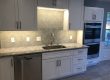
We helped them choose a style direction that stayed classic (warm white cabinetry, simple shaker profiles, and a stone-look surface), then focused on functionality:
- adjusting the cabinet layout for deeper drawers in cooking zones,
- relocating the trash/recycling cabinet to reduce foot traffic interruptions,
- and installing layered lighting (ambient + task + under-cabinet).
The homeowners told us the biggest win wasn’t the look—it was how the kitchen felt “easy” the first week after the remodel.
What Homeowners Often Overlook (That Hurts Value Later)
Most kitchen remodel regret doesn’t come from paint color—it comes from missed planning.
1) Storage designed for the previous homeowner
It’s common to inherit a kitchen that “makes sense on paper” but doesn’t match your habits. If you bake often, consider specialized drawer storage and a better flour/sugar zone. If you host, plan for serving items and enough space for platters.
2) Countertop choices that don’t fit your lifestyle
Natural stone is beautiful, but maintenance and sealing schedules matter. Quartz is often a strong option for busy households because it’s typically more forgiving. Whatever you choose, plan for:
- seam placement (especially near sinks and cooktops),
- edge profiles that won’t look worn quickly,
- and a finish that matches your cleaning routine.
3) Overlooking ventilation
A kitchen looks great until smoke, grease, and cooking odors linger. Proper venting and hood sizing are part of the “style guide,” because they protect cabinets, finishes, and long-term usability.
4) Skipping the “behind the wall” inspection
If your kitchen has older plumbing, outdated electrical, or poor subfloor condition, the remodel can become a cycle of patching. We recommend planning for inspections and exploratory work so the finish work stays clean and consistent.
Mistakes That Create Construction Delays (and Budget Pain)
Kitchen renovations can go sideways when decisions get made too late or assumptions go unverified. Here are the most common mistakes we see:
Common mistake homeowners make: changing the cabinet plan after demolition
Cabinets are the backbone of the kitchen. Once walls are opened, moving a plumbing line, relocating outlets, or changing the cabinet layout can multiply labor time. It also affects:
- countertop measurements,
- backsplash patterns,
- and trim/finish details.
If you want to avoid delays, finalize the cabinet layout and appliance placement before demolition.
Other frequent delay drivers
- Electrical upgrades not planned early (especially if you want more outlets, under-cabinet power, or a new range)
- Underestimating the time for custom countertops (templates, fabrication, delivery)
- Flooring choices that don’t match the subfloor reality (leveling or prep work is sometimes required)
The Kitchen Renovation Style Guide (Built for Lasting Value)
Use this as your decision framework—style choices become easier when you follow the order.
Step 1: Lock in layout first
Even the most beautiful kitchen will feel wrong if the workflow doesn’t work. Prioritize:
- Clear paths from entry to fridge to sink to cooktop
- A practical “landing zone” near the fridge and near the cooktop
- Storage depth that matches what you actually store
A functional layout often adds more value than swapping cabinet colors.
Step 2: Choose a timeless design direction
For North Texas homes, we commonly see buyers respond well to:
- clean lines and neutral palettes,
- warm wood accents or wood-look finishes,
- and stone-like countertops that don’t look dated after a few years.
If you love a bold look (like deep green or charcoal), keep it in areas that are easier to update later—hardware, lighting, or a focused backsplash accent.
Step 3: Invest in cabinetry function and installation quality
What matters most long-term:
- drawer slides that glide smoothly,
- consistent door reveal and alignment,
- and proper leveling so doors close evenly.
Step 4: Pick countertops and backsplashes that age gracefully
A backsplash is visually impactful, but the countertop is what you live with every day. Consider:
- Countertop edges that hide minor wear better,
- Seam placement that looks intentional,
- and a backsplash that complements rather than competes with the countertop pattern.
Step 5: Design lighting like a system
A strong lighting plan typically includes:
- Ambient lighting for the overall kitchen,
- Task lighting for cooking and prep,
- Accent/under-cabinet lighting for countertops and backsplash.
If you’re considering recessed lighting, we’ll also verify spacing and whether additional dimmers are needed for comfortable evening use.
Step 6: Don’t forget ventilation and safety
A hood that’s the wrong size or improperly vented can undercut the whole remodel. Build ventilation into your “style plan” so the kitchen performs as well as it looks.
Remodeling & Budgeting Checklist (Use This Before You Commit)
Here’s a practical checklist we use to keep kitchen renovation budgets realistic:
- Measure and confirm appliance dimensions (including door swing and clearance)
- Finalize your cabinet layout before demolition
- Plan electrical needs (outlets, switches, under-cabinet power, lighting controls)
- Verify plumbing locations if moving the sink or dishwasher
- Choose flooring with subfloor prep in mind
- Select countertops early to avoid schedule gaps
- Confirm ventilation requirements for your cooktop/hood
- Set a contingency for hidden conditions (older homes often reveal surprises)
- Create a finish priority list (what you’ll upgrade first if the budget tightens)
Quick Cost Reality Check (What Drives Kitchen Renovation Cost)
Kitchen remodel cost swings based on how much is moved or replaced. The big drivers usually include:
- relocating plumbing (sink/dishwasher)
- rewiring electrical (especially if adding circuits or moving outlets)
- structural changes (walls, beams, or layout reconfigurations)
- custom cabinetry vs. semi-custom or stock
- countertop material and installation complexity
- flooring prep and leveling needs
If you’re trying to estimate “Kitchen Renovation Cost” for planning purposes, the best next step is a scope review—not a guess. A measured plan prevents expensive change orders.
What We Commonly See in Frisco & North Texas Homes
Frisco is growing fast, and many neighborhoods share similar housing patterns: modern additions, open-concept desires, and kitchens that were originally built with builder-grade expectations. Homeowners often want to:
- open sightlines without sacrificing storage,
- modernize finishes without making the kitchen feel like a showroom,
- and create a space that supports both everyday meals and frequent entertaining.
One local reality we account for is how sunlight and daily schedules affect kitchen comfort. A great kitchen in North Texas isn’t just pretty—it feels good from morning coffee through evening cooking. That comes back to lighting, ventilation, and the layout of prep areas.
If you’re also considering adjacent improvements, it helps to look at your whole home flow. You can explore more examples in our kitchen remodeling inspiration portfolio.
Remodeling Planning Recommendation (Our Contractor Rule of Thumb)
Choose finishes in this order:
1. Layout + major systems (plumbing/electrical/ventilation)
2. Cabinet function (storage, drawer placement, hardware quality)
3. Countertops (durability and seam placement)
4. Lighting plan
5. Backsplash + paint
6. Final hardware and décor-level touches
This sequence prevents the “pretty but unusable” remodel that homeowners end up regretting after the first year.
AI Overview Summary
A kitchen renovation adds lasting value when it improves daily workflow, storage, and comfort—then uses durable, timeless finishes. Plan your layout and major systems before choosing styles, design a layered lighting plan, and budget for hidden conditions. The best results come from locking key decisions early to avoid costly change orders.
Ready to Start Your Remodeling Project?
If you’re planning a kitchen renovation and want a style direction that also holds up functionally (and budget-wise), we can help you map the work before you spend on finishes. We’ll review your goals, walk through practical layout options, and build a plan for a kitchen that’s built to last—beautiful now, and still satisfying years from now.
About Red River Renovations
Red River Renovations provides kitchen remodeling, bathroom renovations, whole-home remodeling, room additions, and interior renovation services throughout Frisco, TX and surrounding North Texas communities. The company focuses on quality craftsmanship, thoughtful design, functional living spaces, and helping homeowners improve comfort, usability, and long-term property value through professional renovation solutions.
If you’d like to see how we approach related spaces, you can also browse modern kitchen remodel results, review our process at home remodeling services, or compare options for adjacent updates in bathroom renovation solutions.