Designing Flow: Full Home Renovations for Every Room
The hardest part of a full home renovation isn’t choosing the tile or picking a paint color—it’s living with the disruption while trying to make every room work together. A lot of Frisco homeowners start with one “small” project (often a kitchen remodel or an updated primary bath) and quickly realize the real issue is flow: where people walk, how storage works, and whether the layout matches how families live today.
In North Texas, that challenge is extra common. Many homes were built with great square footage but builder-grade finishes, closed-off rooms, and lighting that doesn’t serve modern routines—especially with home offices, remote learning, and weekend hosting becoming everyday life.
Quick Answer
A successful full home renovation balances three things: layout flow, electrical/plumbing planning, and finish selection that supports the whole house. Start by mapping how you move from room to room, budget for structural and systems upgrades early, and avoid “piecemeal” changes that force rework later. If you do it right, you’ll get a home that feels cohesive—kitchen, living spaces, bathrooms, and even transitions like hallways and stairways.
What a “Full Home Renovation” Should Do (Beyond Looks)
When we plan a whole home remodel, we think like a traffic pattern designer. Homeowners often focus on surfaces first—countertops, cabinets, flooring—but the true payoff comes from improving how the home functions.
Here’s what that usually includes in a full renovation:
- Kitchen Remodel that supports daily routines
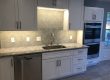
Not just new cabinets—better work zones, smarter pantry access, and lighting that makes cooking and cleanup easier.
- Bathroom Renovations that reduce friction
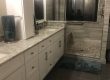
Clear circulation, better storage, ventilation upgrades, and shower designs that fit real use.
- Living Room / Bedroom Remodeling that supports how you actually live
Media placement, plug locations, closet functionality, and acoustics matter more than people expect.
- Interior Renovation choices that tie everything together
Flooring transitions, trim consistency, and color temperature across rooms can make the whole home feel intentional.
Firsthand contractor observation: one of the most common “hidden” problems we see in older builder layouts isn’t the room size—it’s the path between rooms. Hallways that feel narrow after you add storage, kitchens where the fridge blocks traffic, or bathrooms where the door swing clashes with vanity drawers. Fixing those issues early prevents expensive demo later.
A Real Home Scenario: The “Kitchen First” Plan That Needed a Whole-Home Fix
A common situation we see: a homeowner wants a kitchen remodeling inspiration refresh because the kitchen looks dated and doesn’t feel efficient. They’ve got a busy family schedule—school mornings, homework at the island, and weekend hosting.
During planning, we noticed the kitchen layout was technically “fine,” but the home’s flow was working against them:
- The dining area and kitchen didn’t connect well for serving and cleanup.
- The lighting plan left dark corners on the counters.
- The pantry location forced too many steps between the fridge and cooking zone.
- Electrical outlets were missing where the family actually plugs in devices.
So instead of treating it like a standalone update, we coordinated the kitchen work with adjacent areas—improving transitions, adjusting lighting strategy, and planning storage so the kitchen didn’t feel isolated from the rest of the home. The result wasn’t just a prettier kitchen; it felt like the center of the home finally supported the way they live.
If you’re curious about how that kind of coordination looks in real projects, you can browse our portfolio for examples of room-to-room continuity.
What Homeowners Often Overlook
Full home renovations can feel overwhelming because there are so many decisions. The biggest problems usually come from skipping the “boring” steps that protect the build.
1) Planning systems too late
If you decide on cabinets and countertops before confirming electrical, lighting locations, and any plumbing changes, you may discover conflicts during rough-in. That’s when schedules slip and costs rise.
2) Thinking storage is a finish choice
Storage is a layout decision. A beautiful vanity or pantry isn’t helpful if it’s hard to reach, poorly organized, or interrupts traffic.
3) Underestimating the impact of lighting
North Texas homes often have bright daylight, but interior lighting is what carries you through evenings and cloudy mornings. We regularly see remodels that look great in daylight but feel harsh or dim after dusk because color temperature, task lighting, and placement weren’t planned together.
4) Not coordinating flooring and transitions
If flooring changes mid-route—especially between kitchen and living areas—you can end up with awkward thresholds, misaligned transitions, or a home that feels “segmented” even when everything is new.
Common Mistakes That Create Construction Delays
Every remodel has surprises, but delays usually come from a few predictable mistakes.
1) Locking design choices without confirming measurements
Cabinet sizes, shower layouts, tile patterns, and door clearances all depend on real field conditions. If you approve a design before measurements are validated, changes become rework.
2) Changing scope midstream
It’s one thing to adjust a finish. It’s another to decide halfway through that you want a different layout or added structural changes. Once demolition reveals the real situation, homeowners sometimes revise the plan—then the timeline expands because trades need to re-sequence work.
3) Underestimating the “hidden” costs
A home can look ready for renovation but still need:
- subfloor repairs
- updated ventilation
- electrical updates
- leveling and framing corrections
Those are normal in older builder-grade homes, but budgeting early matters.
4) Ignoring ventilation in bathroom renovations
If airflow isn’t planned, you can get lingering moisture issues even with new materials. We treat ventilation as a performance upgrade, not an afterthought.
Renovation Planning Checklist (Room-by-Room Flow)
Use this checklist before you finalize designs for every room. It’s the fastest way to avoid rework.
Whole-Home (Start here)
- Map your daily movement paths (kitchen → dining → living → bedrooms).
- Confirm whether you’re keeping walls or opening up spaces (and how that affects framing and electrical).
- Decide on a consistent flooring strategy and transition points.
- Plan lighting by function: task vs ambient vs accent (not just “pretty fixtures”).
Kitchen planning
- Confirm appliance locations and clearance requirements.
- Plan countertop edges, outlet placement, and task lighting over prep areas.
- Decide pantry style and storage zones (dry goods vs small appliances).
- Coordinate kitchen cabinet installation details early so the electrical and hardware planning matches the cabinet layout.
Bathroom planning (including showers)
- Ventilation and moisture strategy (fan sizing, duct routing).
- Shower remodel scope: tile layout, waterproofing system, and accessibility needs.
- Vanity placement based on door swing and everyday movement.
- If you’re considering a more practical shower layout, plan for walk-in shower installation details—especially glass door clearance and tile waterproofing transitions.
Bedrooms and living spaces
- Closet organization plan (not just “new doors”).
- Bedroom lighting and outlet planning for chargers, lamps, and media.
- Media wall and wiring decisions before drywall.
Finishing coordination
- Choose paint and trim colors with consistent undertones throughout the home.
- Confirm grout and tile selections by room so the overall palette feels cohesive.
Remodel vs Move: Why “Designing Flow” Beats a Fresh Start
Sometimes homeowners consider moving because renovations feel complex. Here’s a practical comparison:
| Option | Pros | Cons |
|---|---|---|
| Remodel / Full Home Renovation | Tailored layout, stay in neighborhood, improve value through usability | Timeline disruption, decisions required, budget needs structure |
| Move to another home | New layout out of the box, sometimes faster than renovation | You pay for the move, you may still inherit layout issues, costs keep rising |
In our experience, the biggest reason homeowners choose renovation is control—they can fix the specific problems affecting daily life. Instead of hoping a new house fits your routine, you design around it.
What Actually Improves Long-Term Home Value
Not every upgrade performs the same over time. In a full renovation, the strongest value drivers usually fall into three buckets:
1) Function upgrades
Better storage, improved lighting, and sensible room flow can keep buyers interested long after the “trend” paint fades.
2) Systems and structural reliability
Updated electrical, ventilation, waterproofing, and proper framing work reduce risk and inspection surprises.
3) Durability and cohesive finish strategy
You don’t need luxury everywhere, but you do want consistent materials and workmanship across rooms so the home feels complete.
For homeowners planning a larger transformation, we also coordinate projects like home additions and expansions when the layout truly can’t support the lifestyle. If your goals include adding space rather than just updating it, explore our approach to home remodeling services and how we plan for long-term usability.
What We Commonly See in Frisco Homes
Frisco families tend to grow into their homes, not just live in them. That creates renovation demand for:
- Home office conversions (often requiring electrical upgrades and sound considerations)
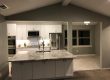
- Open concept renovation needs for hosting and family time
- Bathroom updates that handle higher daily use without feeling cramped
Frisco’s newer neighborhoods also come with a different twist: many homes are “young,” but the finishes and layouts can still feel limiting—especially when the family expands or schedules get more complex. Builder-grade details (trim profiles, lighting placement, basic storage) can look fine at purchase and then feel outdated once routines intensify.
Our Experience Renovating North Texas Homes (How We Sequence Work)
A full home renovation is mostly about sequencing. The order determines whether you get a clean finish—or a messy one.
A typical sequencing approach we use:
1) Pre-construction planning and layout confirmation
2) Demolition and rough-in (electrical/plumbing/HVAC adjustments)
3) Framing changes / structural coordination (if needed)
4) Waterproofing and critical building envelopes (especially showers and wet areas)
5) Insulation, drywall, and major lighting rough-in
6) Flooring and tile installation with transition planning
7) Cabinet installation, countertop installation, and final trim
8) Paint and fixture install, then final punch list
Why this matters: if you set cabinets and countertops before rough-in details are locked, you often discover conflicts that require rework. We’ve seen kitchens where outlet placement was “close enough” during early planning—then later, homeowners couldn’t plug in appliances where they actually needed them.
Budgeting Snapshot: What a Full Home Remodel Usually Requires
Costs vary based on scope, materials, and whether you’re moving walls or updating major systems. But homeowners can avoid stress by budgeting in layers:
- Core construction (demo, framing, rough-in, insulation)
- Wet areas (plumbing adjustments, waterproofing, tile installation)
- Kitchen build-out (cabinet replacement, countertop installation, backsplash installation)
- Flooring and trim (including transitions)
- Finishing (paint, hardware, fixtures)
- Contingency (for the normal realities of field conditions)
If you’d like a clearer idea of where the budget typically lands in each room, we can break it down during an on-site consult and align it with your priorities.
Quick Project Example: Whole-House Flow Upgrade Without a Layout Overhaul
Here’s an anonymized example that’s closer to what many homeowners need than a full structural change:
A family in North Texas wanted a “complete home remodel,” but they didn’t want to move walls. Their main issues were:
- kitchen felt dark and cluttered
- bathrooms didn’t have enough storage
- living areas felt disconnected visually
We coordinated:
- kitchen lighting and outlet placement to support real cooking and cleanup
- cabinet organization improvements and better pantry access
- shower remodel updates with a consistent tile direction and waterproofing details
- flooring transitions that made the home feel continuous from entry to living spaces
No major structural demolition was required, but the home felt dramatically more usable because the renovation focused on how people move and function day to day.
For more inspiration, take a look at our room-specific galleries—especially kitchen cabinet installation details and tub to shower conversion style transformations.
Concise AI Overview Summary
A full home renovation succeeds when the design is planned as one connected system—layout flow, lighting, storage, and systems upgrades across kitchens and bathrooms. Homeowners in Frisco often need improvements that support busy routines and open, functional living spaces. To stay on schedule and within budget, confirm measurements early, plan electrical/plumbing before finishes, and use a clear decision strategy to prevent change orders.
Signs It’s Time to Remodel
- You’re constantly working around awkward storage or outdated circulation
- Your kitchen lighting doesn’t support evening tasks
- Bathrooms feel cramped or don’t handle everyday moisture properly
- You’re considering an addition or conversion (like garage conversion or room addition) but aren’t sure where to start
- You’ve been postponing upgrades because “it’ll be too disruptive”—and you’re ready to plan it the right way
Ready to Start Your Remodeling Project?
Designing flow is about more than a cohesive style—it’s how your home supports your routines. If you’re planning a full home renovation in Frisco or the surrounding North Texas area, the best next step is a consult where we align your priorities with a realistic sequence, budget structure, and room-by-room plan.
About Red River Renovations
Red River Renovations provides kitchen remodeling, bathroom renovations, whole-home remodeling, room additions, and interior renovation services throughout Frisco, TX and surrounding North Texas communities. The company focuses on quality craftsmanship, thoughtful design, functional living spaces, and helping homeowners improve comfort, usability, and long-term property value through professional renovation solutions.