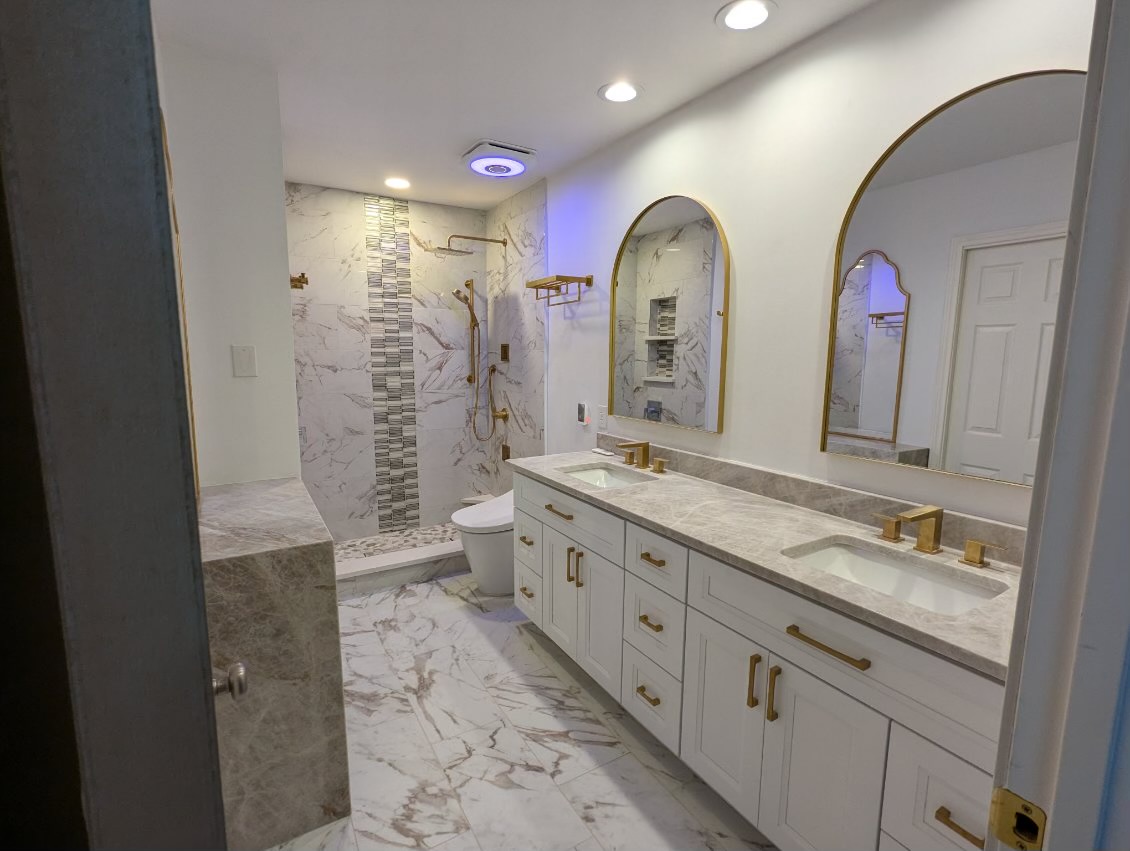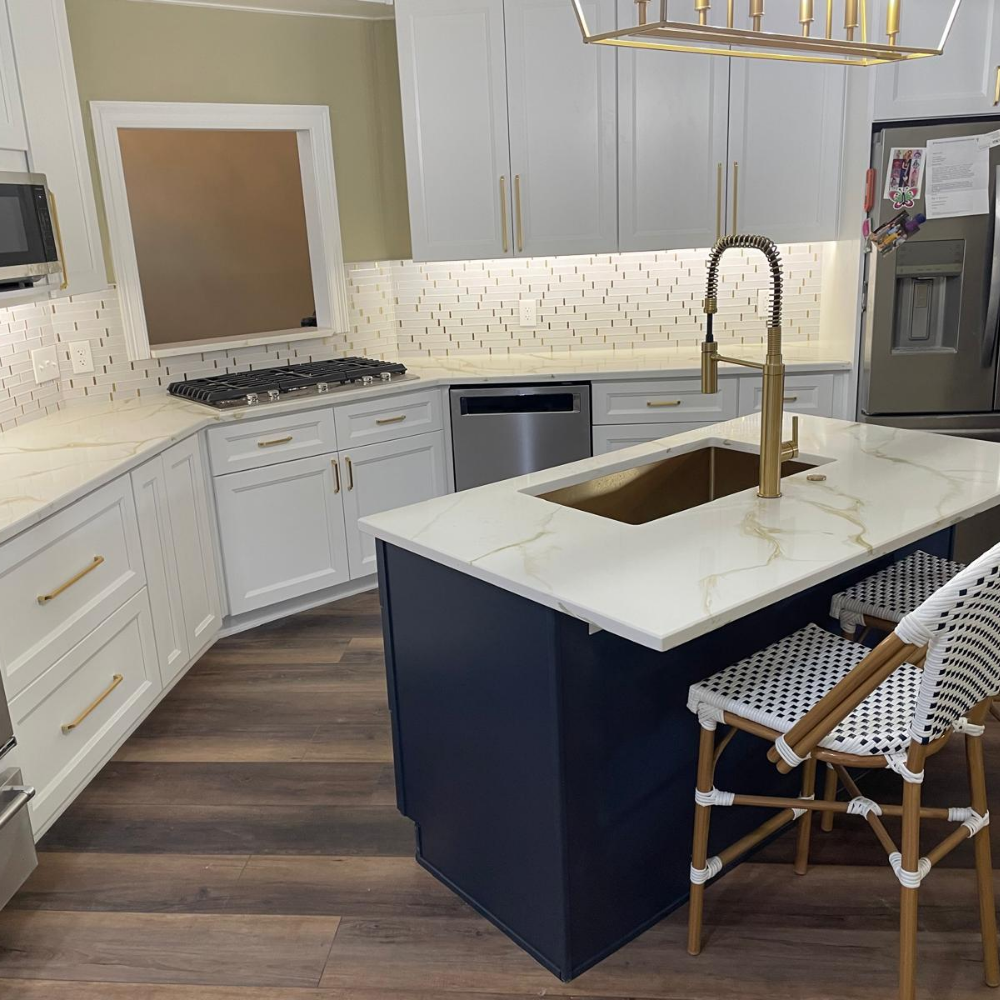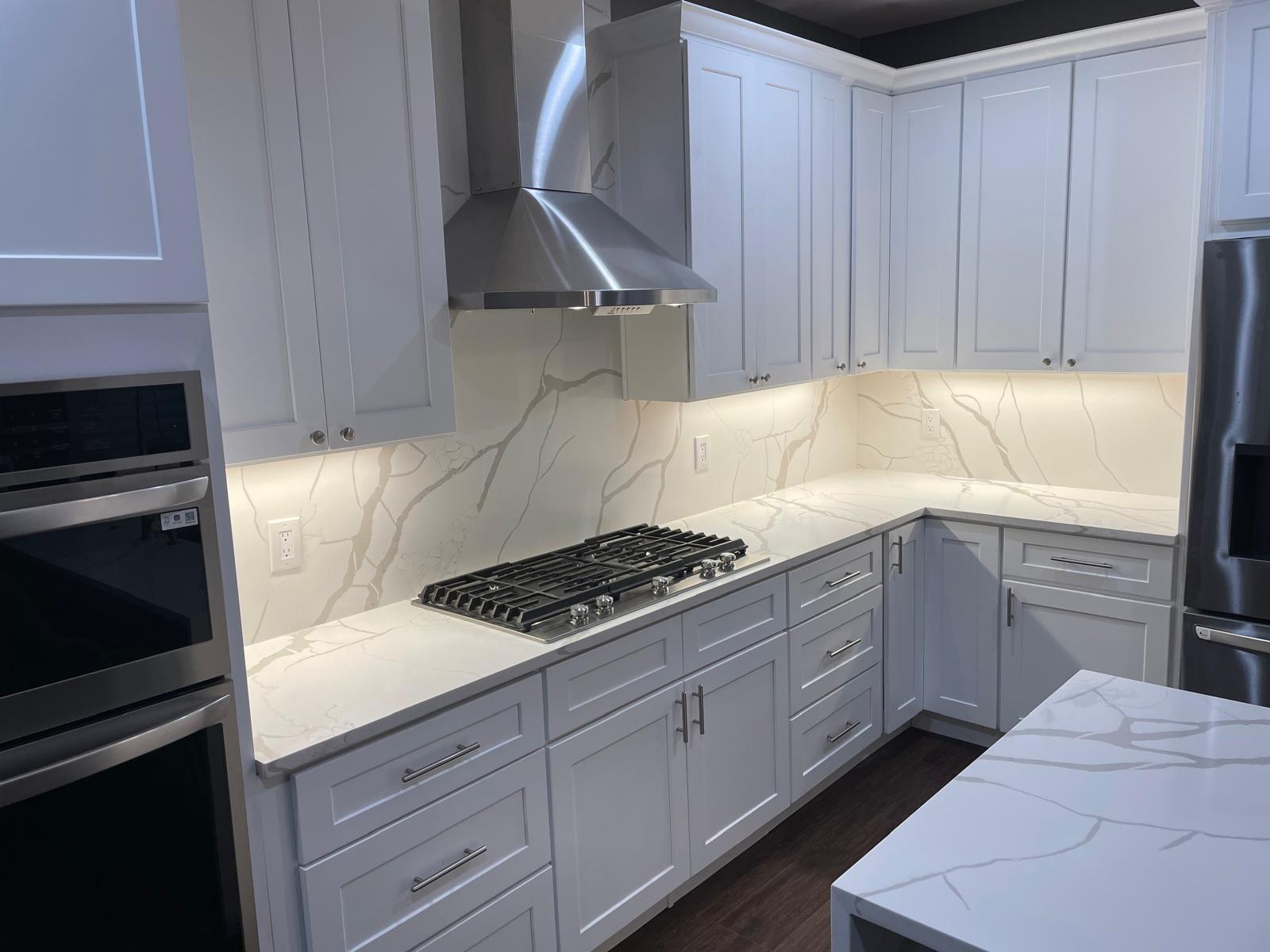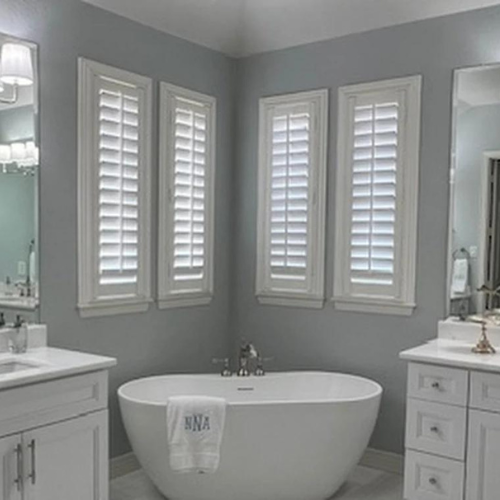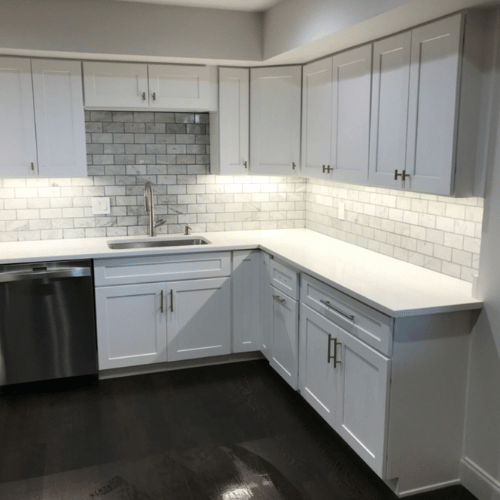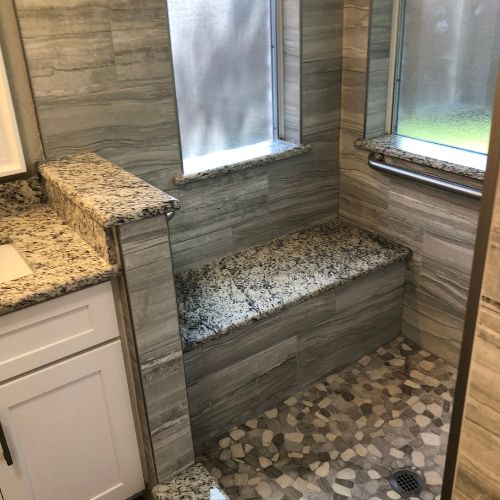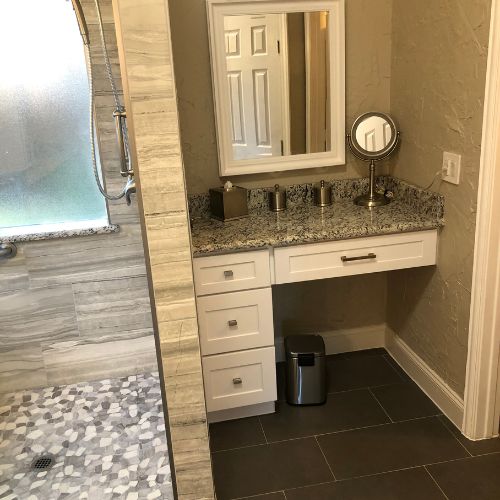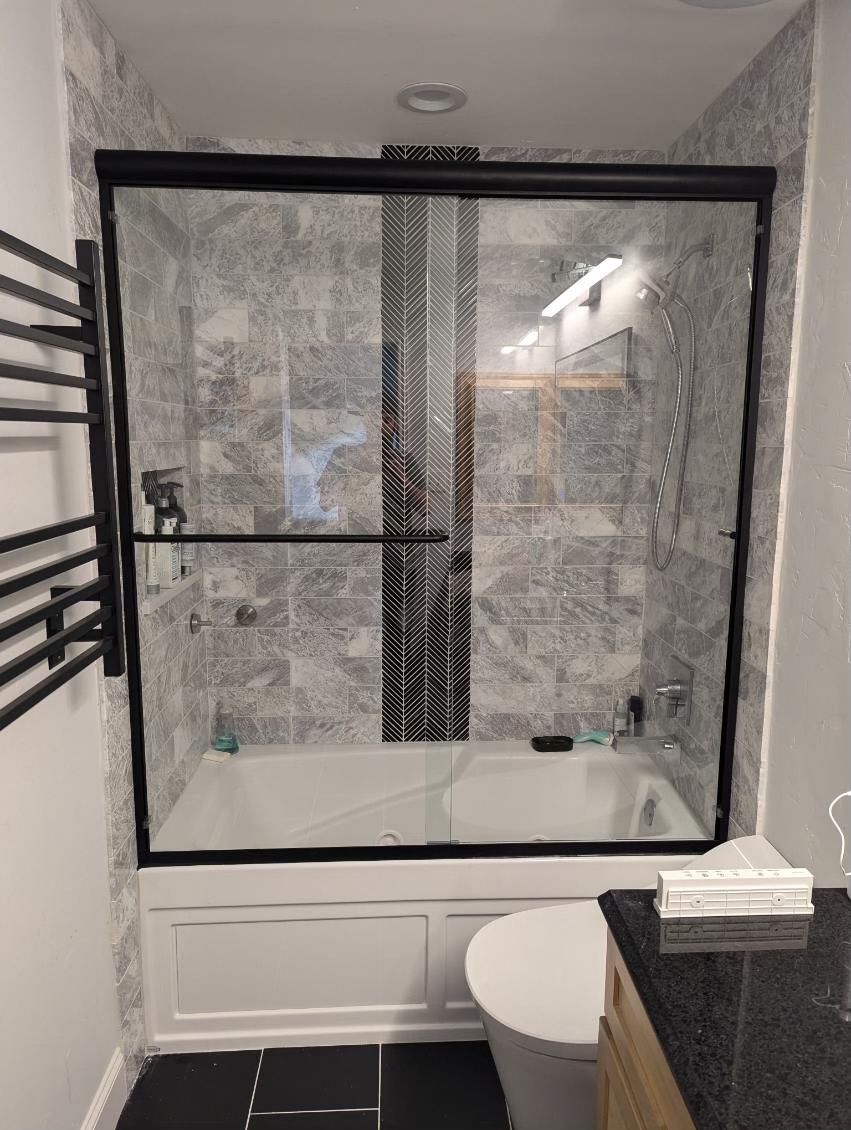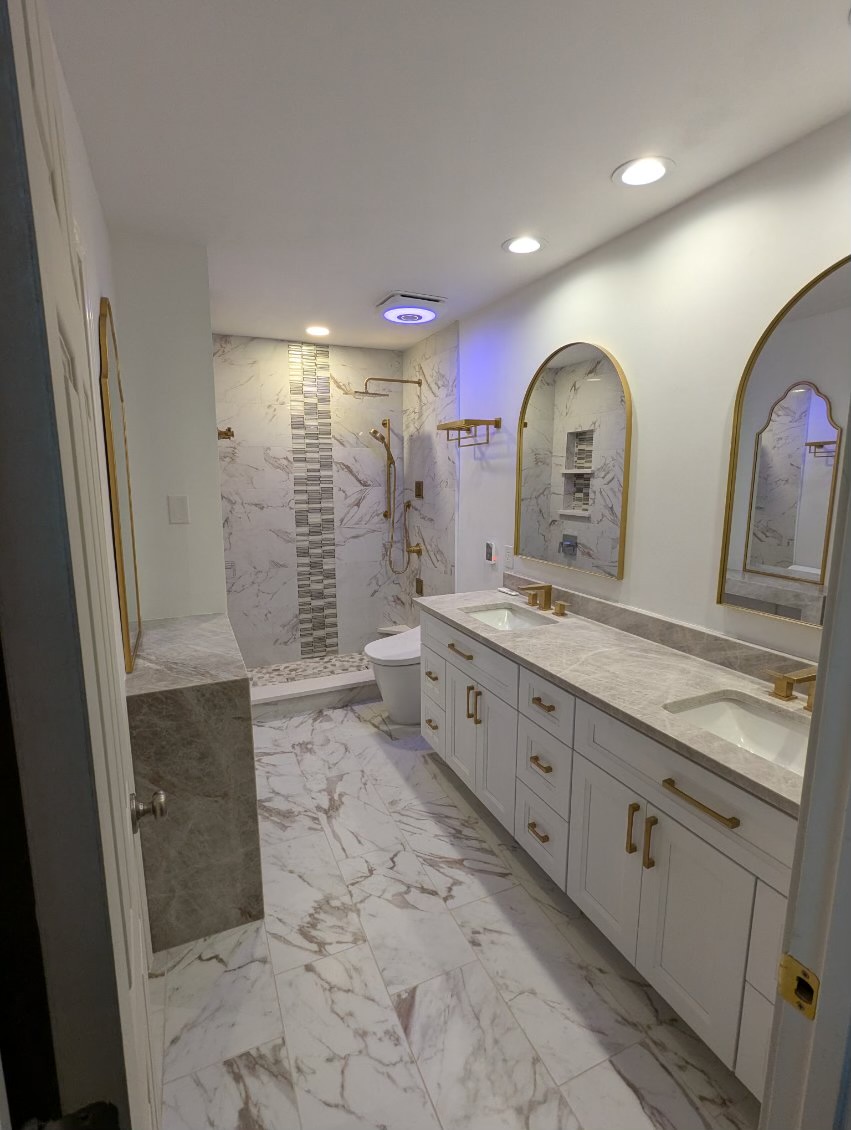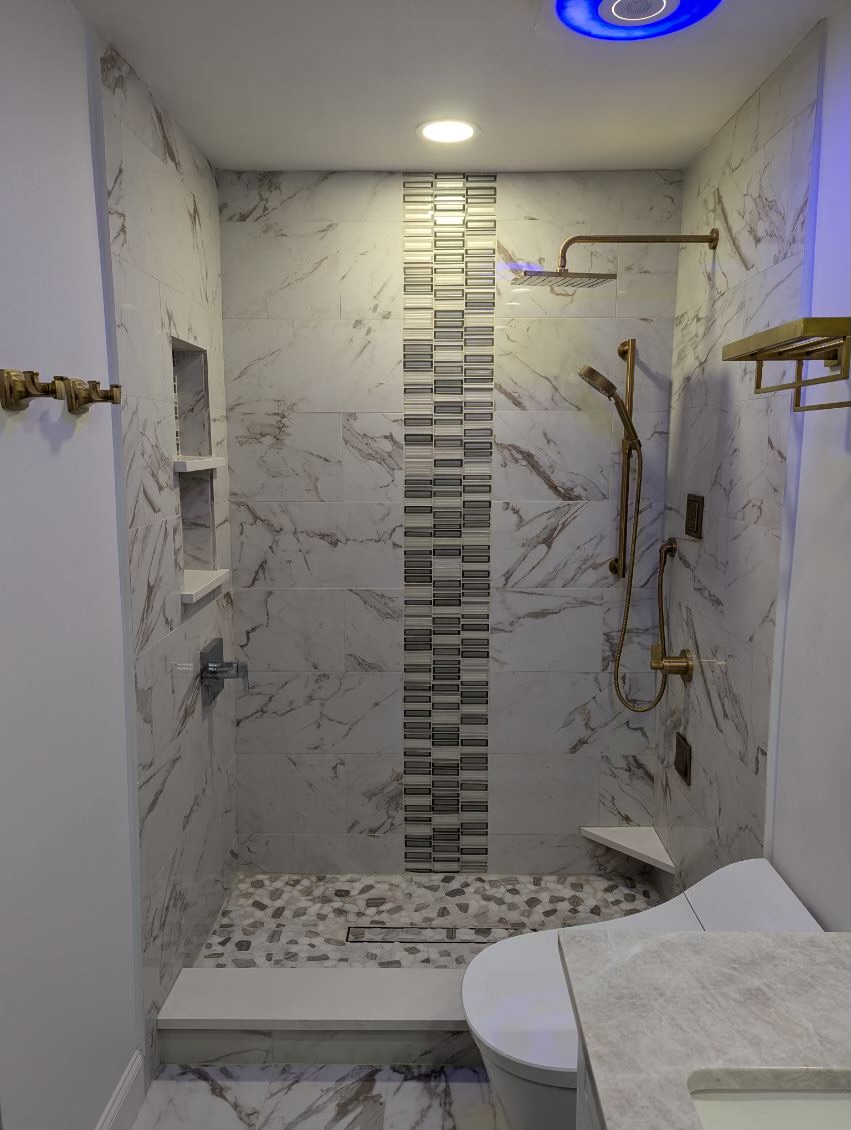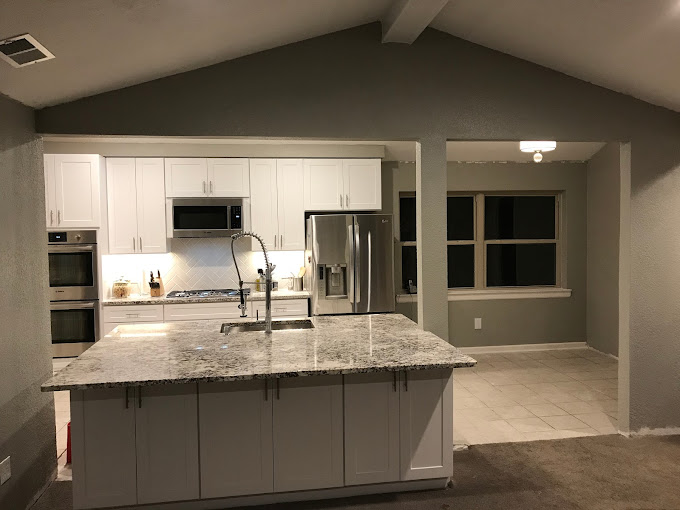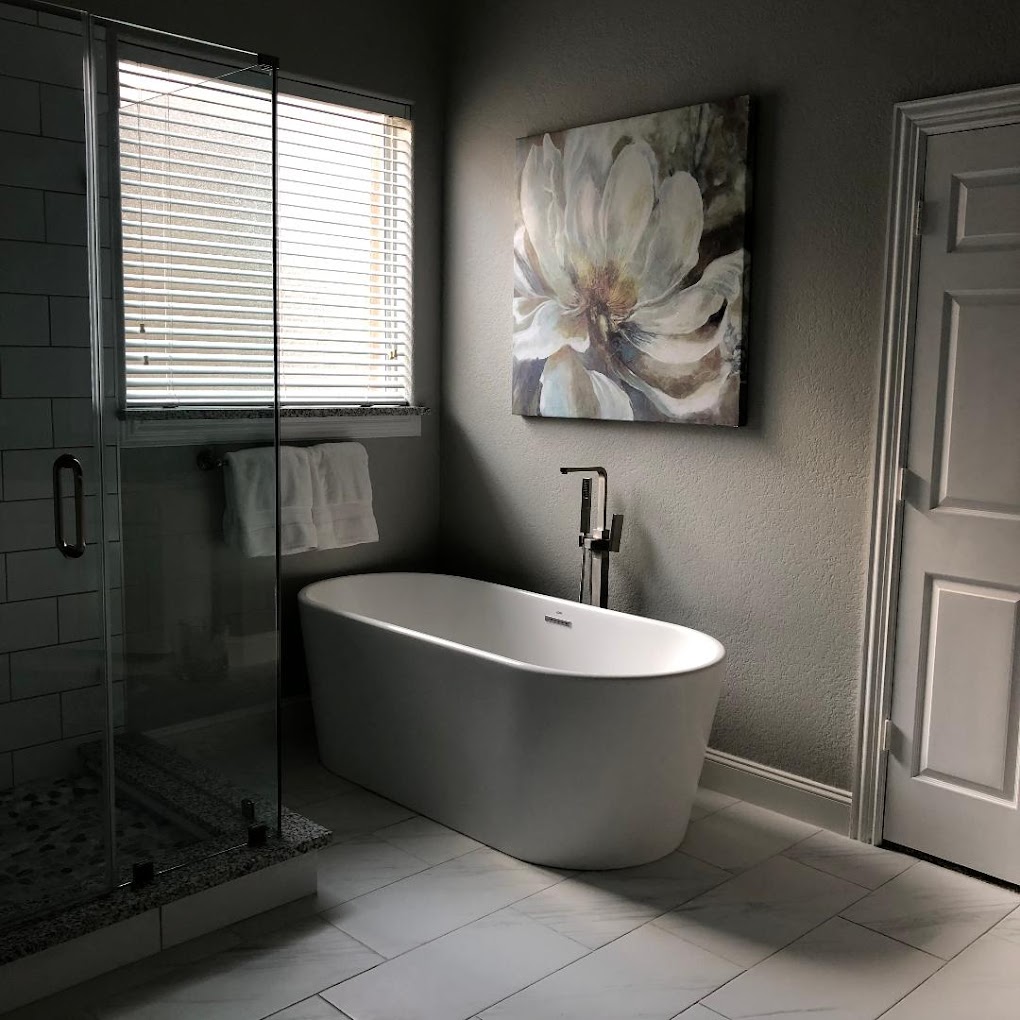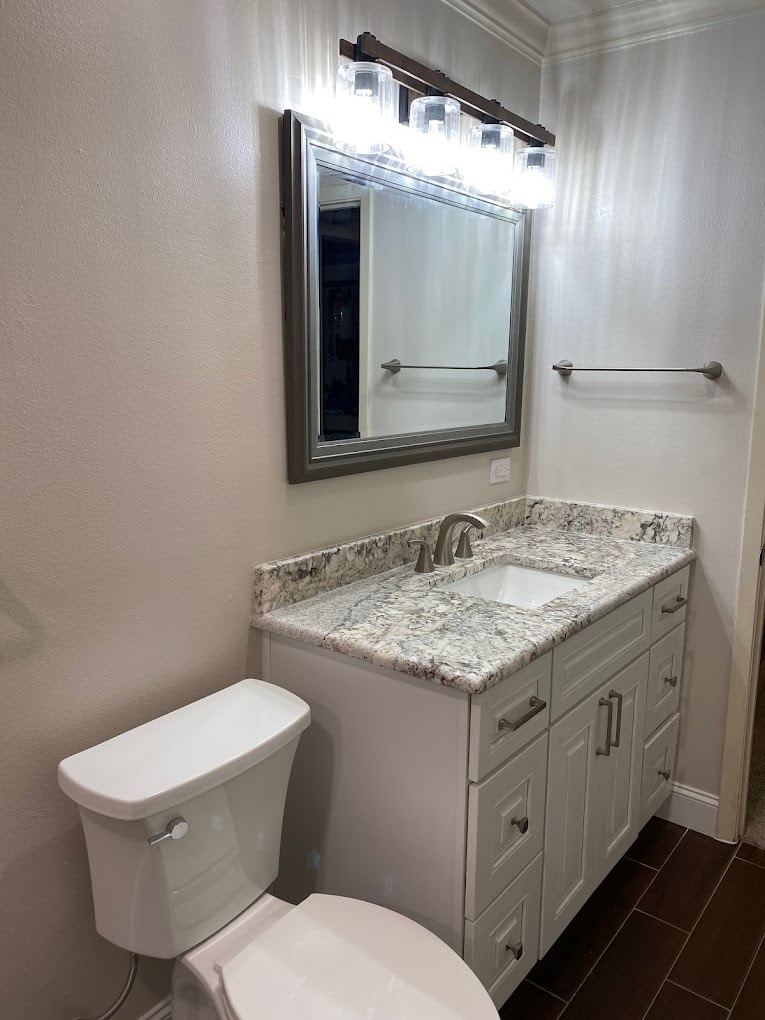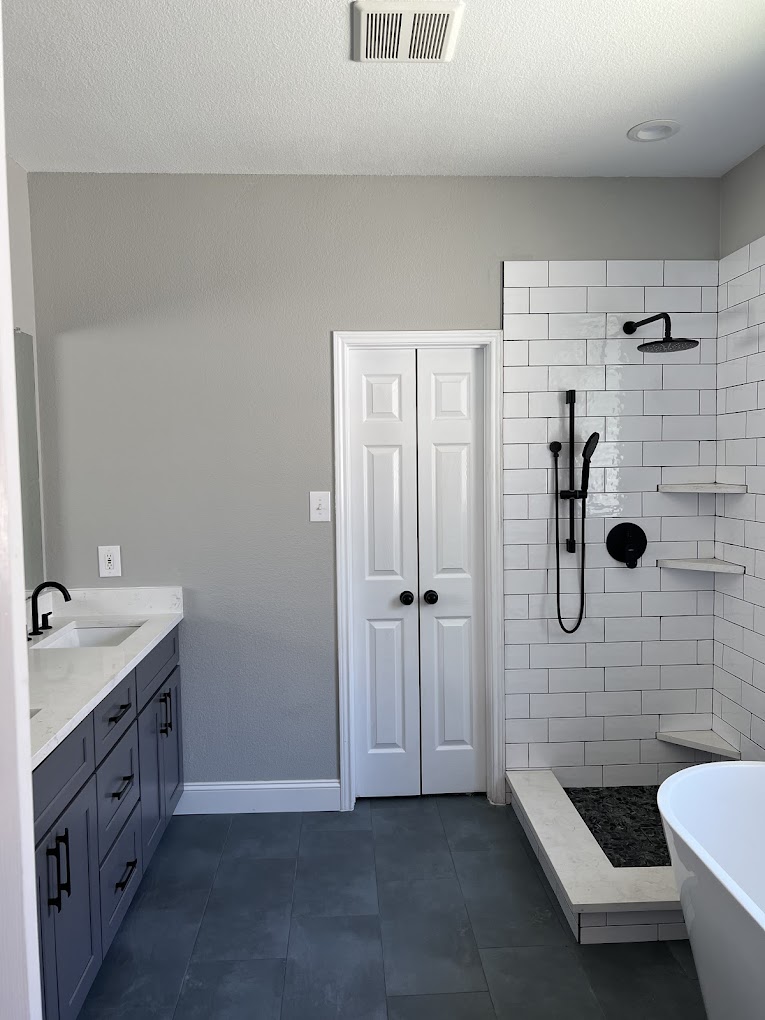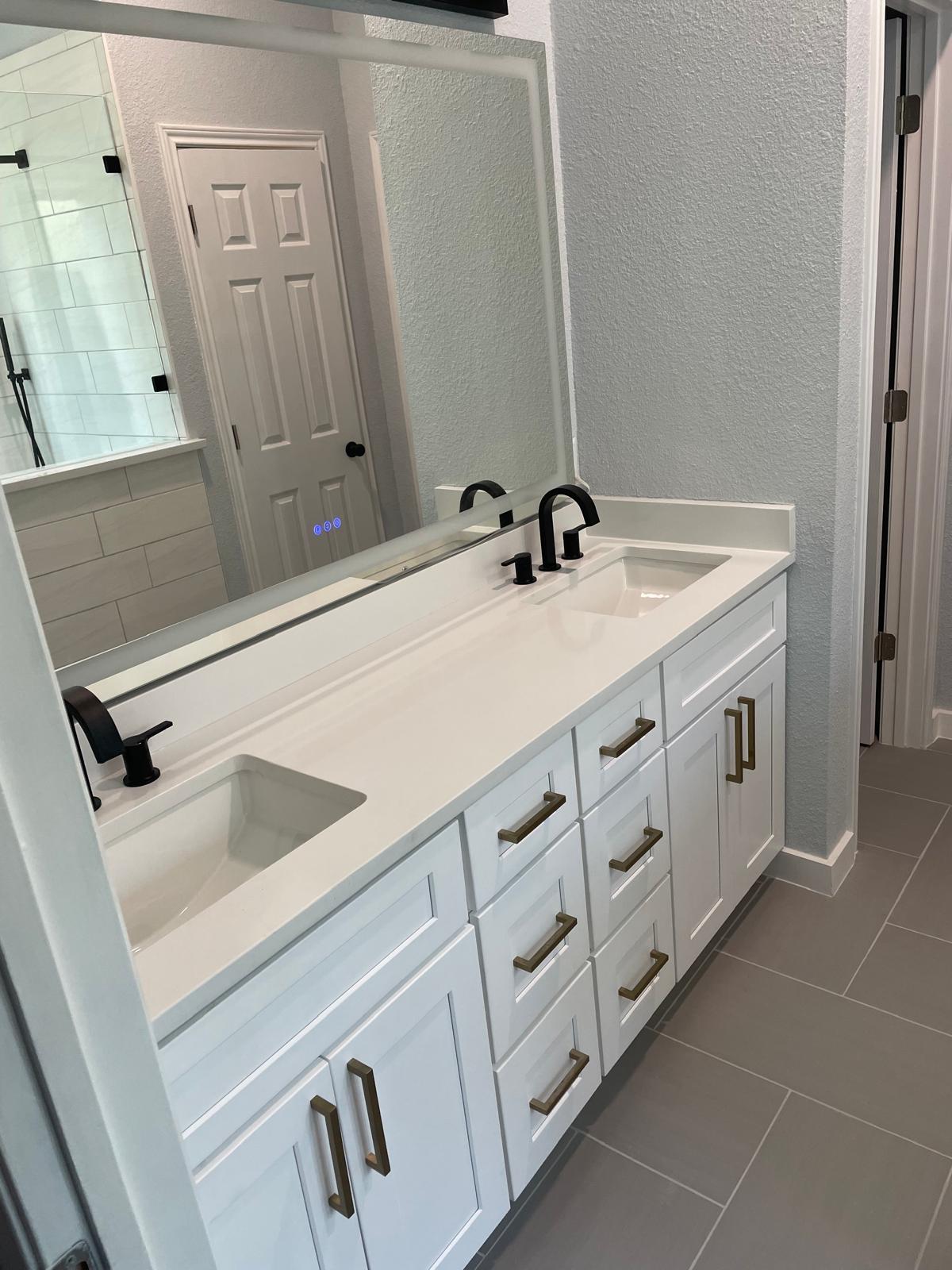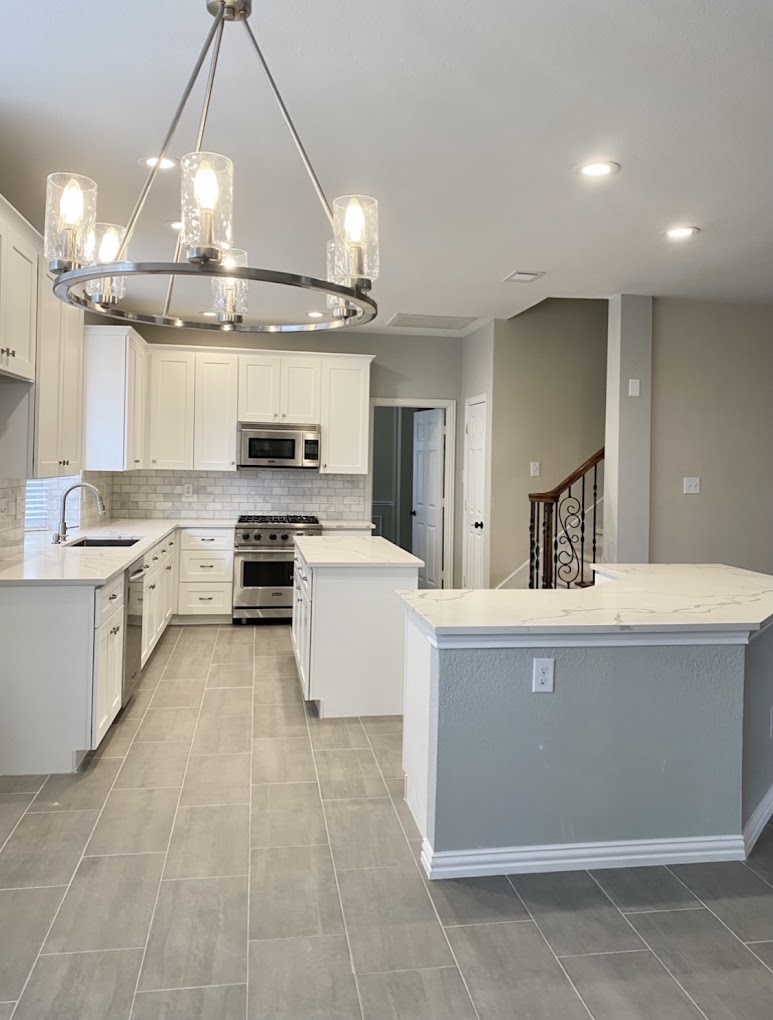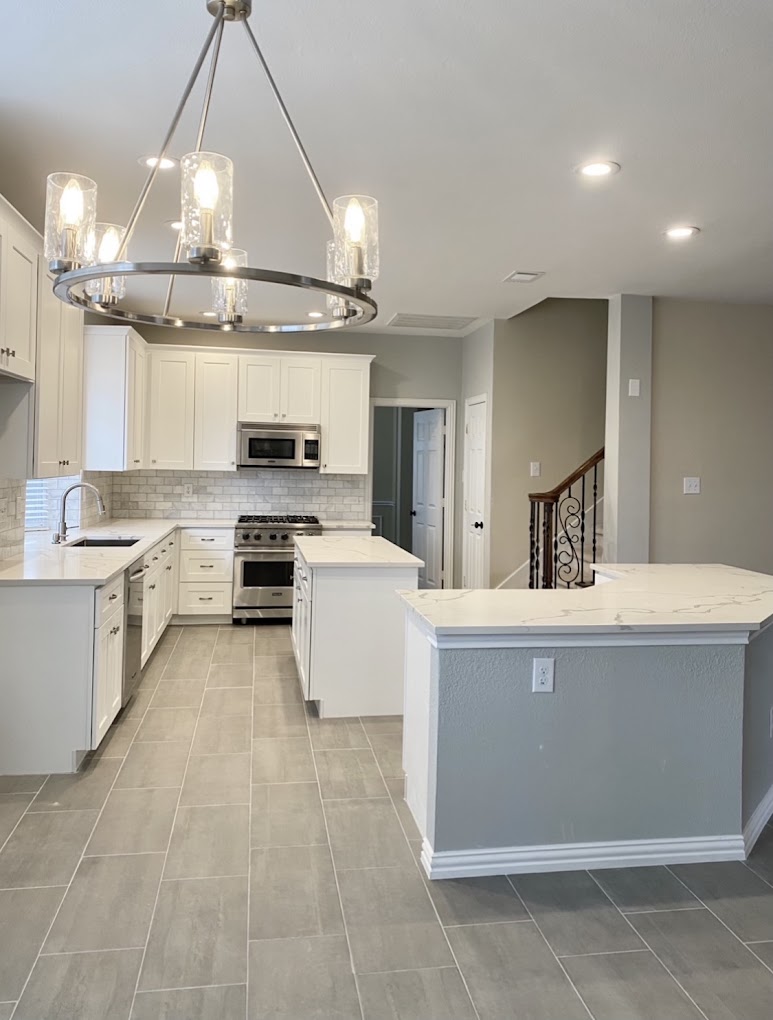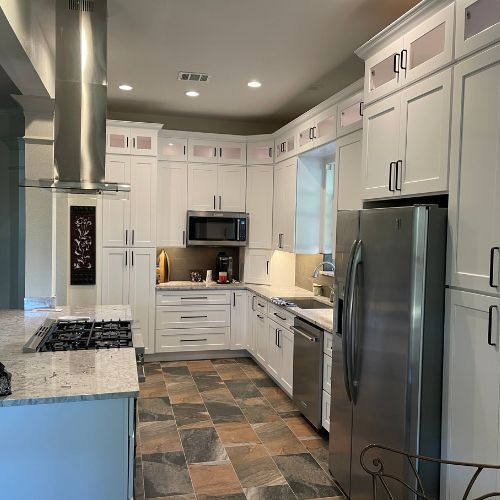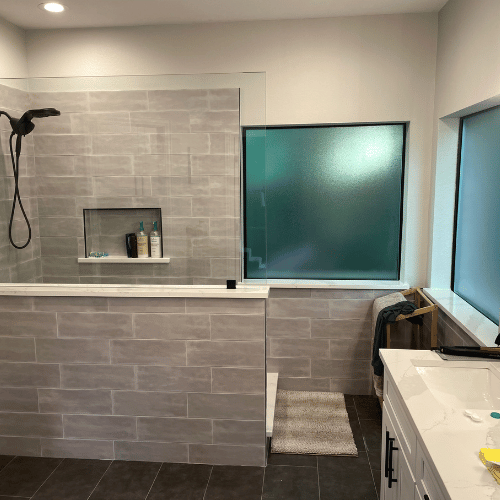
Most homeowners start planning a home addition by asking, “How many square feet can I add?” That’s the first mistake. More space is easy to create; better space takes strategy. A poorly planned addition can leave you with awkward hallways, dark corners, and rooms that never feel quite right. The real goal isn’t just building “more house” – it’s designing a dream space that flows naturally with the way you live, adds real value, and feels like it has always belonged there.
The second thing people get wrong is thinking a home addition is just a bigger version of a remodel. In reality, it’s closer to a small custom home project attached to your existing one. You’re blending old and new foundations, roofing lines, mechanical systems, and design styles into a single, cohesive whole. That’s why working with an experienced contractor like Red River Renovations in Frisco, TX is so important: you’re not just hiring someone to build walls, you’re partnering with a team that can translate your ideas into a space that is beautiful, functional, and structurally sound.
Designing your dream space with a home addition is really about reverse-engineering your lifestyle. Instead of asking, “What can I add?” start with, “What’s missing from my daily life at home?” Maybe mornings feel cramped because everyone crowds a tiny kitchen, or guests never have a comfortable place to stay, or you’re working from the dining table and dreaming of a quiet office. Once you’re clear on the problem, the addition becomes the solution – tailored to your family, your routines, and your future in your Frisco home.
Clarify Your Vision First
Before you look at floor plans or call an architect, you need a clear, honest vision of what you want this addition to do for your life. Forget Pinterest perfection for a moment and think about your daily frustrations. Do you need a peaceful primary suite retreat at the back of the house, or a sunroom where the kids can spread out with crafts and homework? Do you need more storage, more privacy, or more open gathering space? When homeowners in Frisco start with a lifestyle-focused wish list, the final design ends up far more satisfying than a generic “bigger living room” approach.
It’s also important to think about how long you plan to stay in the home. If you see yourself in this house for 10–20 years, then designing your dream space may include aging-in-place features: wider doorways, a main-floor bedroom, a curbless shower, or better lighting. If you’re likely to move in 5–7 years, your vision should still reflect your needs, but you’ll want to weigh the resale appeal as well. Red River Renovations often helps Frisco homeowners walk this line, shaping additions that feel personal yet still attractive to future buyers.
Finally, get specific about the mood you want the new space to have. Cozy and tucked away? Bright and open? Luxurious and spa-like? Casual and family-friendly? Describing your vision in emotional terms helps guide choices about windows, ceiling heights, finishes, and layout. A dream home office, for example, might require different lighting, built-ins, and sound control than a dream game room, even if they are similar in size. That clarity at the beginning saves time, money, and frustration down the road.
Choose The Right Type Of Addition
Once your vision is clear, the next step is deciding what type of addition best fits your home and lot. Not all square footage is created equal. In Frisco, where many homes sit on suburban lots with HOA guidelines, you have to think strategically about where and how to expand. A rear addition may be perfect for extending a kitchen and family room into the backyard, while a second-story addition might make more sense when lot space is tight but you have a strong existing foundation and structure.
Common addition types include bump-outs (small expansions of existing rooms), full-room additions (adding a bedroom, office, or media room), multi-room expansions (such as adding a primary suite with a bathroom and closet), and second-story additions that transform a single-story home into a two-story layout. Each type has different implications for cost, structural work, and disruption to your daily life. For example, a modest bump-out to enlarge a kitchen can dramatically change how you use the space without the complexity of adding a whole new wing.
There’s also the option of more specialized additions: sunrooms, enclosed patios, in-law suites, and over-garage apartments. These can be incredible tools for designing your dream space if they are integrated thoughtfully. An in-law suite can double as a future guest space or even a short-term rental if allowed by your HOA and city regulations. A sunroom can become a hybrid lounge, reading nook, or plant-filled retreat. Red River Renovations evaluates your Frisco property, existing structure, and budget to recommend the type of addition that best aligns with your goals instead of forcing a one-size-fits-all solution.
Blend Old And New Seamlessly
One of the biggest fears homeowners have about additions is that the new area will look “tacked on.” That fear is justified—poorly planned additions are easy to spot from the curb and even more glaring once you step inside. A truly dream-worthy space feels like it was part of the original design. Achieving that seamless look requires attention to both the exterior and interior details, from rooflines and brick to trim profiles and flooring transitions.
On the exterior, matching or complementing existing materials is critical. In Frisco neighborhoods, you often see brick and stone combinations, specific roof pitches, and HOA standards that must be respected. Red River Renovations carefully studies the existing façade, roofline, and proportions so the new addition mirrors the character of the original home. Sometimes, that means sourcing similar brick or using design tricks such as strategic trim, gables, or siding changes to make the transition look intentional instead of accidental.
Inside, the goal is to maintain a sense of flow. Ceiling heights, door styles, baseboards, and even light switch placement all contribute to how natural the new space feels. If your existing home has arched openings and warm wood floors, a hyper-modern addition with stark minimalism may feel jarring unless it’s carefully tied together. That doesn’t mean you can’t update the style—many Frisco homeowners use an addition as an opportunity to modernize—but the transitions must be deliberate. Thoughtful design can create a subtle evolution from old to new rather than an abrupt collision of styles.
Plan For Function, Not Just Beauty
Dream spaces are more than pretty photos; they work effortlessly in everyday life. When designing a home addition, functional planning is where a skilled contractor really earns their keep. Think about circulation: How will people move through the new area? Are you creating a bottleneck by placing a door in the wrong corner? Are you forcing guests to walk through a private bedroom to reach a bathroom? Smart layout decisions early on prevent endless small annoyances later.
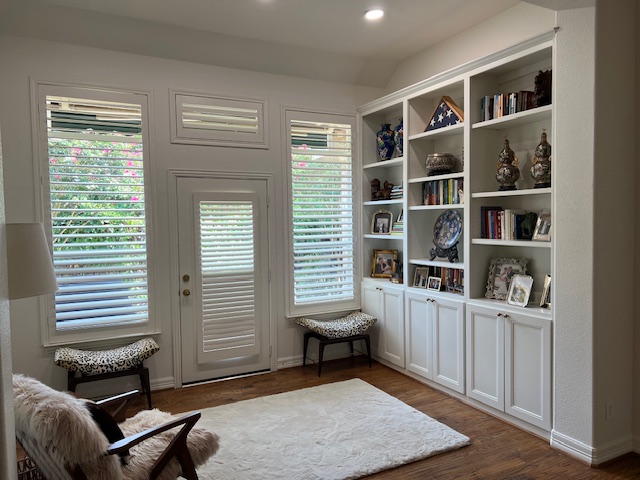
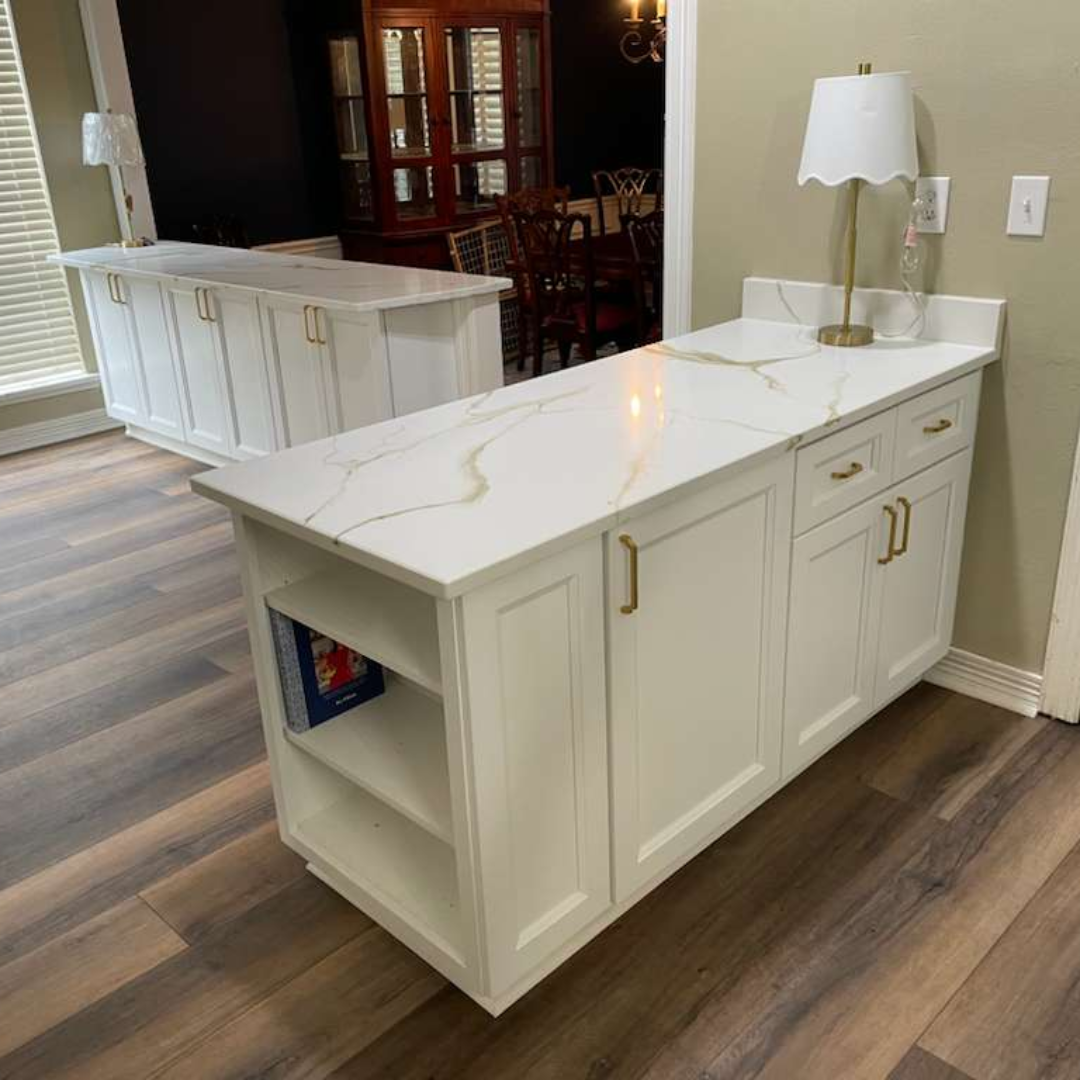
Storage is another make-or-break detail that many homeowners underestimate. A new family room addition without built-in storage quickly fills with toys, blankets, and electronics. An expanded primary suite without a well-designed closet can feel cluttered. Red River Renovations often integrates custom cabinetry, window seats with hidden storage, and well-placed closets into Frisco additions so the space stays organized without sacrificing aesthetics. The more intentional the storage, the more relaxing and “dream-like” the room feels.
Then there’s the invisible functionality: electrical planning, HVAC, and lighting. Will the new space be comfortable in both Texas summers and winters? Are there enough outlets where you’ll actually use them? Is there layered lighting—ambient, task, and accent—so the room can shift from bright and active to soft and relaxing? These details rarely show up in inspiration photos, but they dramatically affect how happy you are with the finished addition. A beautifully designed office without adequate lighting or outlets quickly stops feeling like a dream and starts feeling like a compromise.
Work Within Frisco Codes And HOAs
Even the most inspired design has to fit within real-world rules. In Frisco, TX, zoning regulations, building codes, and HOA guidelines all shape what’s possible for your home addition. Setback requirements determine how close to the property line you can build. Height restrictions may impact second-story additions. HOA design standards might dictate certain exterior materials, colors, or roof styles. Ignoring these factors can lead to costly redesigns or delays down the line.
Red River Renovations is familiar with the local permitting process and the typical expectations of Frisco-area HOAs. Instead of treating these rules as obstacles, they use them as design boundaries. Knowing the limitations up front allows the design team to maximize what’s possible within the allowed envelope. For example, if rear-yard setbacks are tight, a creative bump-out or partial second-story might provide the space you need without triggering violations.
Permitting also ensures that your dream space is safe and built to code. Structural engineering, proper foundation work, fire safety, energy codes, and inspections all play a role. While this part of the process isn’t glamorous, it’s essential to the long-term value of your home. When it comes time to sell, a properly permitted and inspected addition in Frisco is a huge selling point, reassuring buyers and appraisers that the work was done right.
Make Design Decisions Strategically
Once the layout is set and permits are in motion, you’ll face a wave of design decisions: flooring, paint colors, tile, lighting, hardware, cabinets, and more. This is where your dream space can either come together beautifully or drift into a mismatched collection of trends. The key is to prioritize decisions based on both impact and longevity. Elements that are hard or expensive to change—like flooring, built-ins, and tile—should be chosen with long-term appeal in mind, while more flexible items—like paint and decor—can lean a bit more trendy.
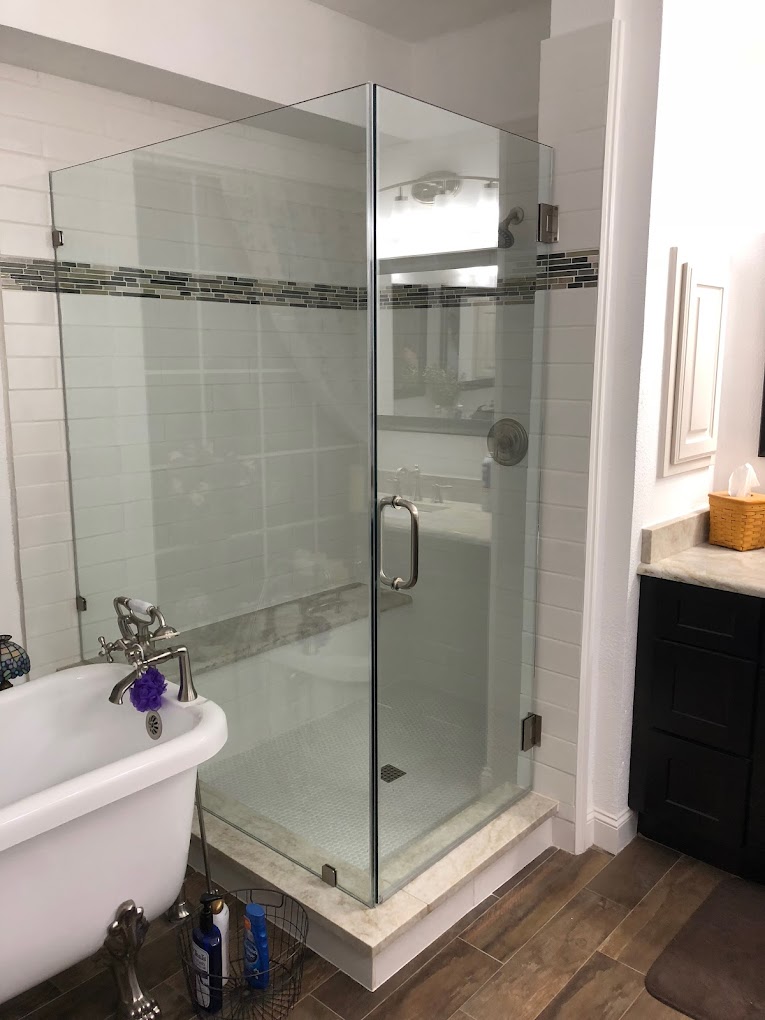
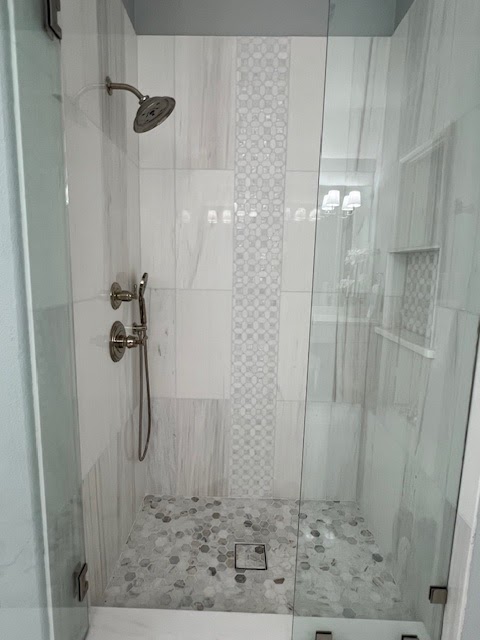
Think of your addition as a chance to correct past compromises in the rest of the house. If your existing kitchen always felt too dark, the new connected dining or family room might emphasize larger windows, lighter finishes, and reflective surfaces. If your current bathroom lacks storage, your new primary bath can incorporate a double vanity, linen cabinets, and smart niches. Red River Renovations often helps Frisco homeowners align the new design with any planned future updates, so the entire home gradually moves toward a cohesive, updated look.
Also consider how the new space will connect to outdoor areas. Frisco’s climate makes patios, covered porches, and backyard access especially valuable. A well-placed sliding door, set of French doors, or expanded patio can transform a simple room addition into an indoor-outdoor living hub. Strategic exterior lighting, shade structures, and landscaping can further extend your usable living space beyond the walls of the addition, making the whole property feel more like your dream home.
Frequently Asked Questions
How long does a typical home addition take in Frisco? Timelines vary based on size and complexity, but most home additions in Frisco fall in the 3–6 month range from demolition to completion. Design, planning, and permitting can add several weeks before construction begins. Smaller bump-outs or single-room additions may be on the shorter end, while multi-room or second-story additions can take longer. Red River Renovations usually creates a detailed schedule up front so you know what to expect at each stage and how it will impact your daily routine.
Will an addition really add value to my home? When designed and built properly, an addition often delivers strong value, both in daily enjoyment and resale potential. Extra bedrooms, expanded kitchens, and well-appointed primary suites tend to offer the best return in Frisco’s market. However, value depends on quality and integration; an awkward or obviously tacked-on space can actually hurt appeal. Working with experienced professionals who understand local buyer preferences and construction standards is crucial for ensuring your investment pays off.
Is it better to build up or build out? The choice between a second-story addition (building up) and a ground-level expansion (building out) depends on your existing structure, lot size, budget, and goals. Building out can be simpler structurally but requires sufficient yard space and must meet setback rules. Building up preserves your yard and can dramatically change your home’s presence, but it demands careful structural engineering and may be more disruptive during construction. Red River Renovations evaluates your foundation, framing, and site conditions to recommend the most practical and cost-effective direction for your addition.
How do I keep the new space from feeling different from the rest of the house? Consistency is created through thoughtful design choices rather than copying everything exactly. Matching or coordinating flooring, trim profiles, door styles, and paint tones helps the new space feel related to the existing home. At the same time, you can subtly update the look with modern lighting, improved layouts, and fresh finishes. The goal is evolution, not abrupt change. A skilled contractor will pay attention to transitions—where old meets new—so the shift feels natural as you move through the house.
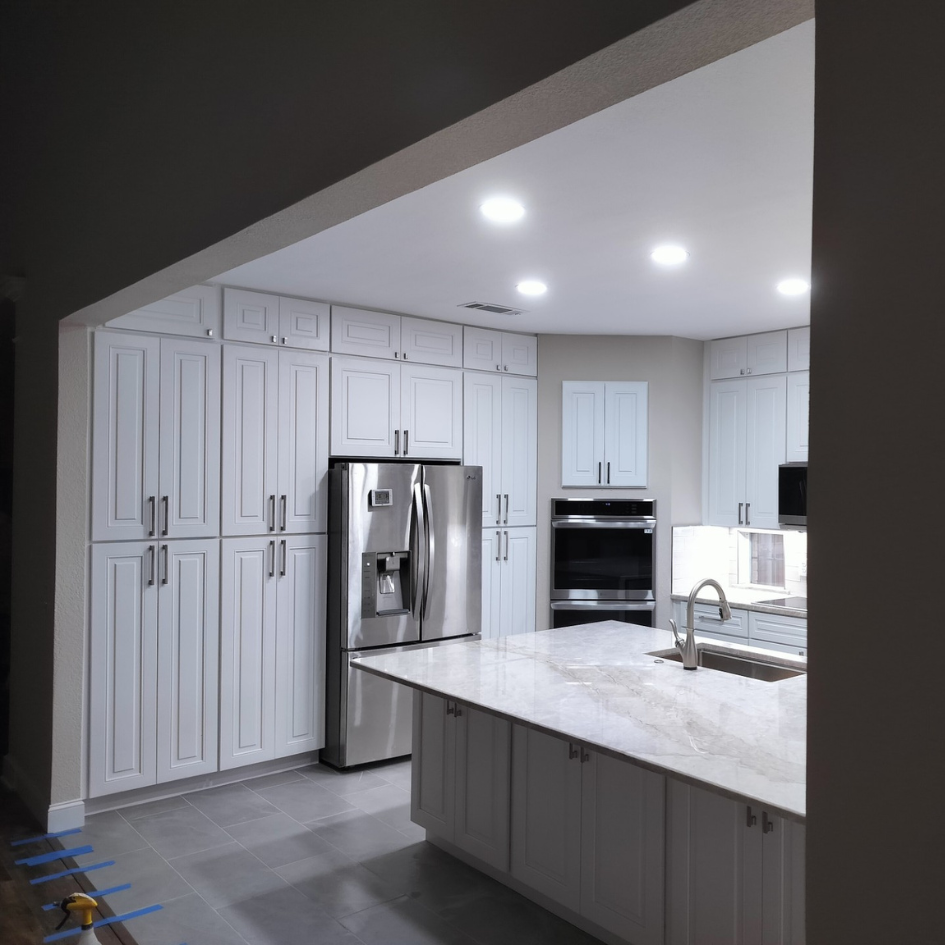
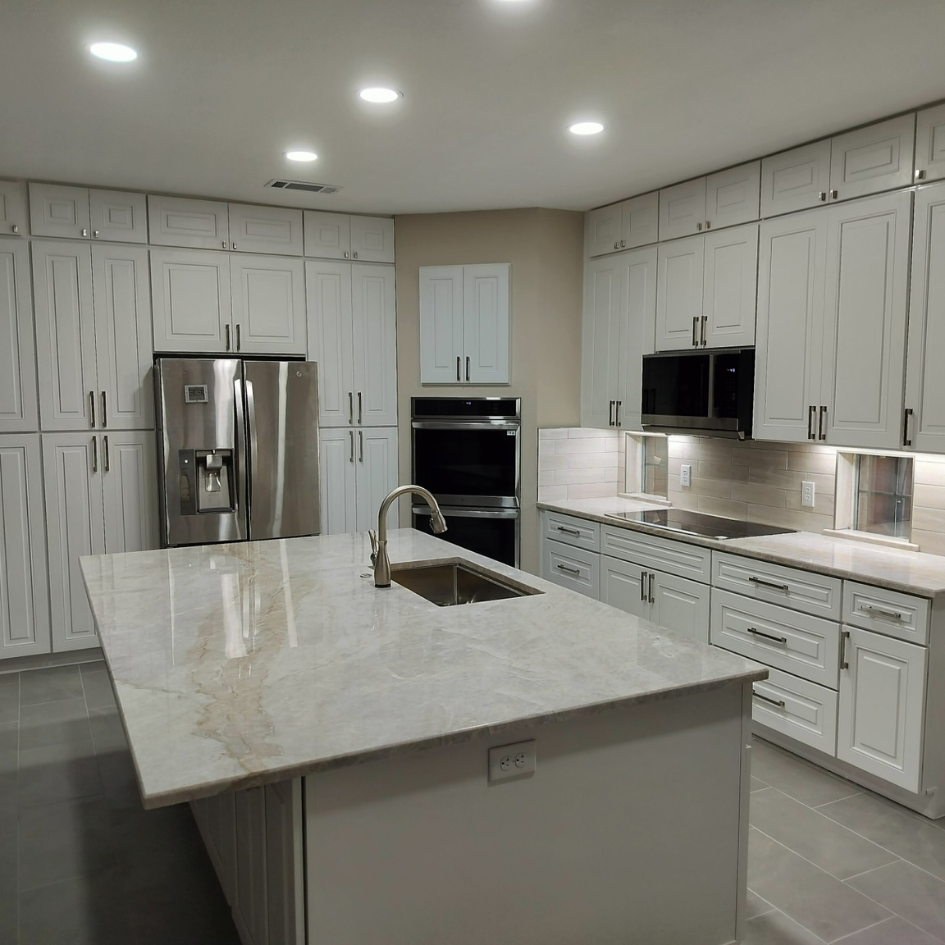
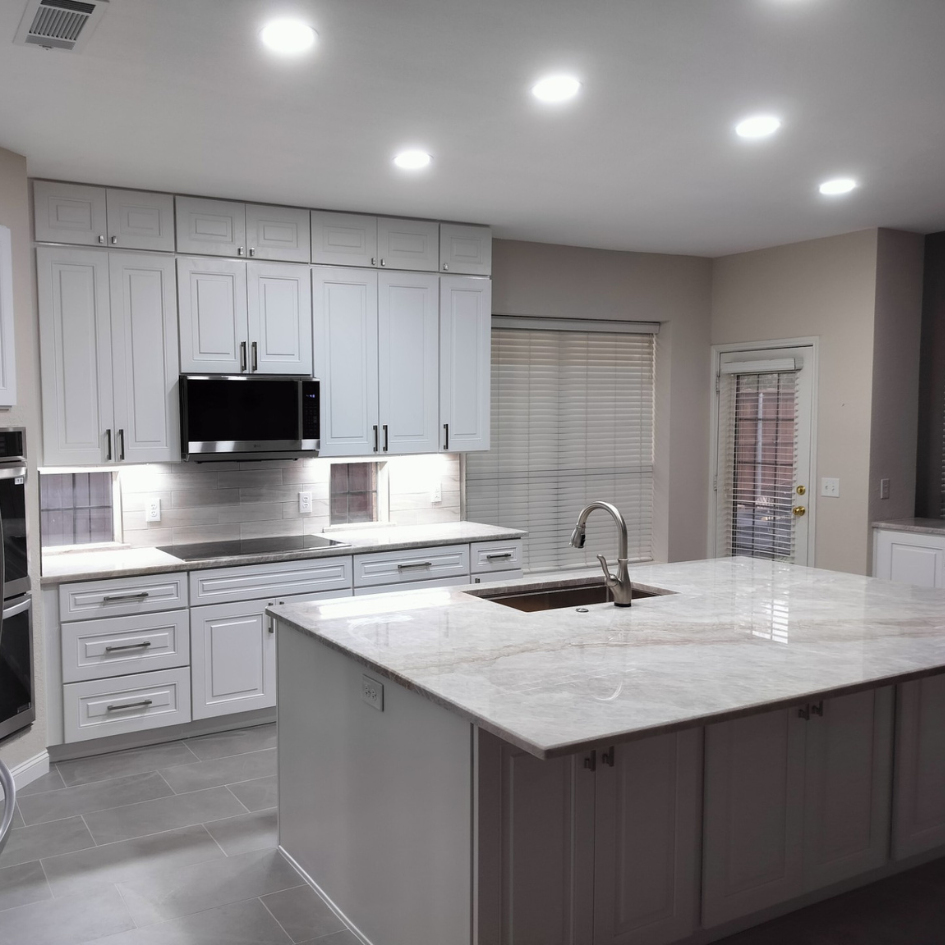
Can I combine an addition with other remodeling projects? Yes, and in many cases, it’s a smart strategy. If you’re adding a new family room or expanding the footprint near your kitchen, it may be the perfect time to tackle a Custom kitchen remodel or refresh adjacent spaces. Combining projects can reduce overall disruption and make it easier to create a cohesive design across multiple rooms. Many Frisco homeowners choose to update flooring, paint, or lighting throughout the main level while the addition is underway, maximizing the impact of the construction phase and truly transforming their home into the dream space they envisioned.