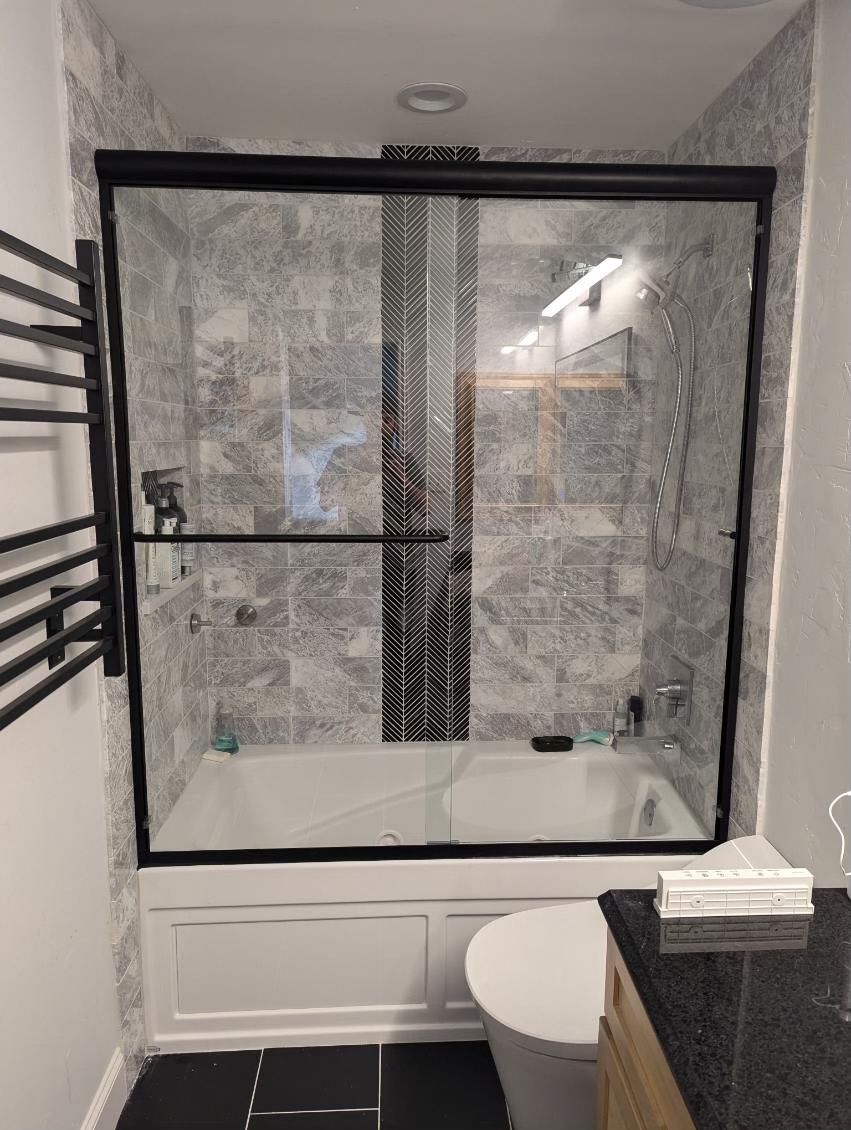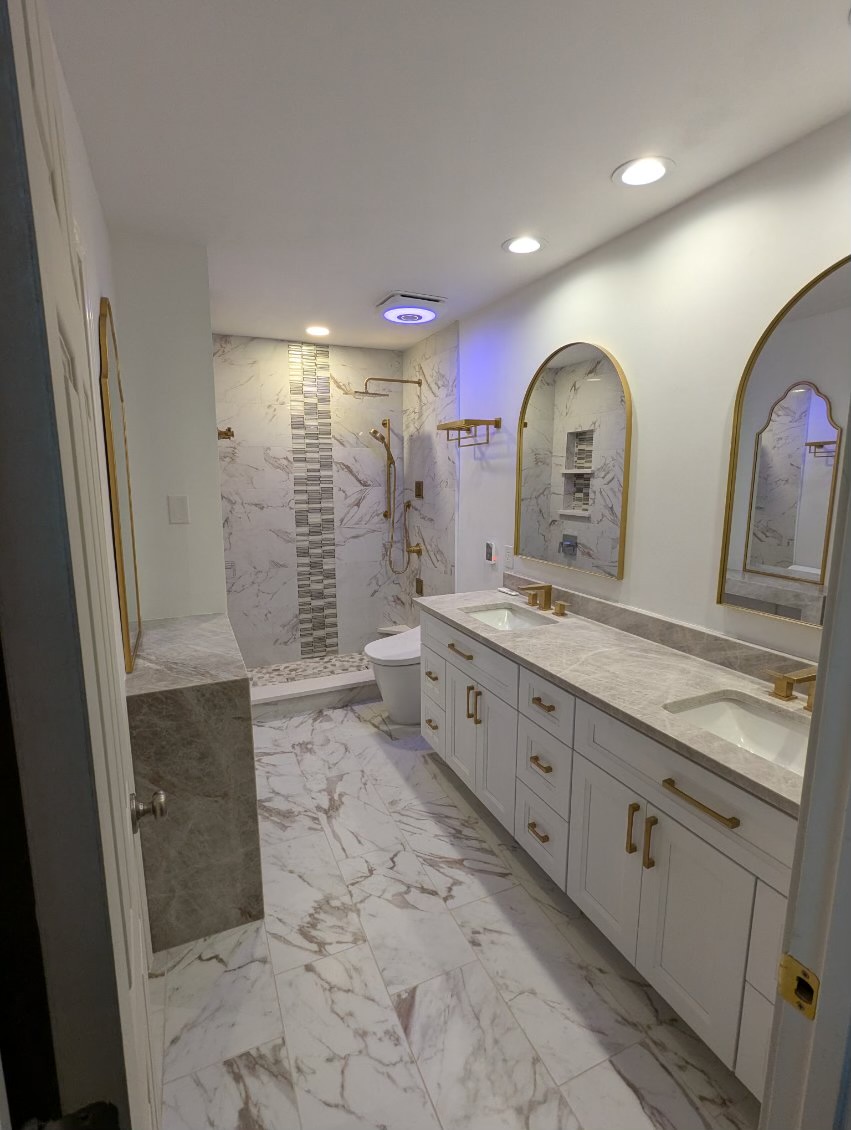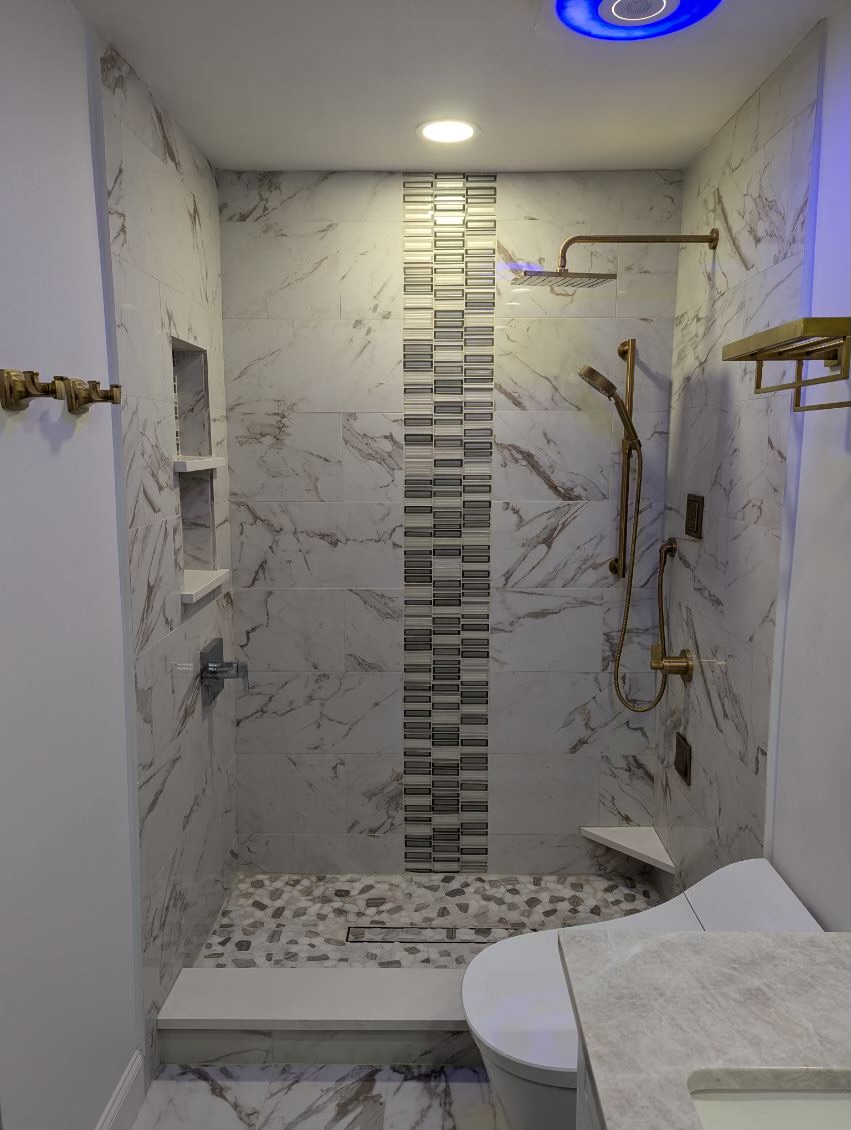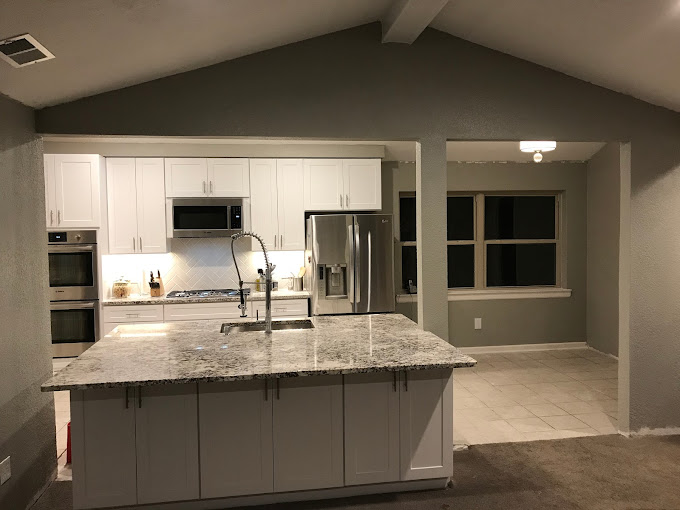
More than 80% of American homeowners will take on a major home improvement project at some point, yet a large percentage of full-home renovations run over budget, over schedule, or both. The surprising part isn’t that renovations are complex; it’s how many people dive into a whole-house remodel without a clear roadmap. When you’re talking about reworking multiple rooms, systems, and finishes in a single project, guesswork can get very expensive, very fast.
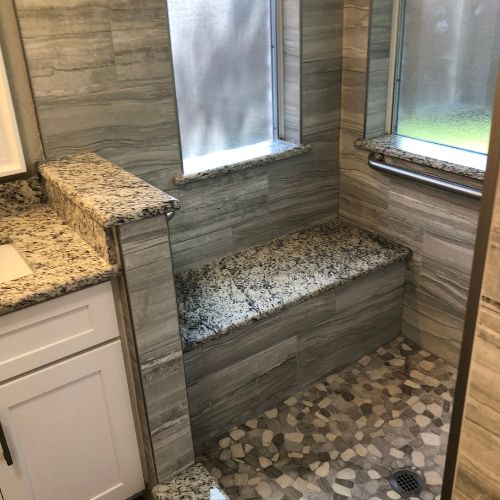
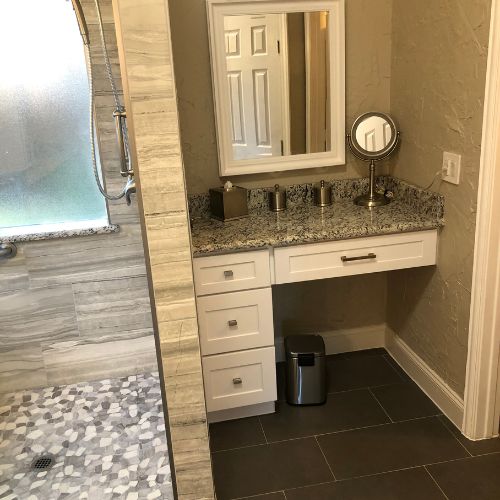
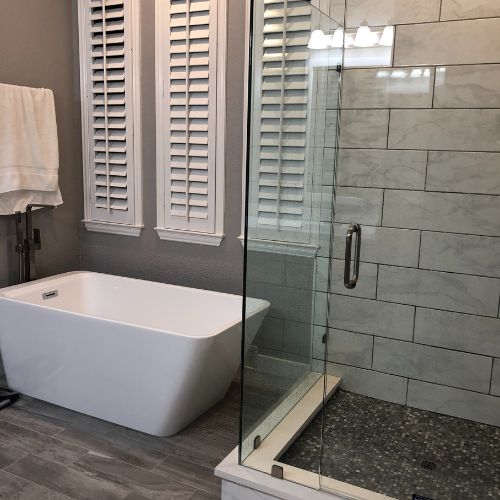
A full home renovation is more than a facelift. It’s a coordinated transformation of structure, systems, and spaces, often touching electrical, plumbing, layout, and design all at once. In Frisco, TX, where homes range from early-2000s builds to brand-new construction, many homeowners are choosing to reconfigure their spaces rather than move, tailoring their existing houses to modern lifestyles. That might mean opening up a closed-off kitchen, converting a formal dining room into a home office, or completely reimagining the primary suite for spa-like comfort.
This guide walks you through every major phase of a full home renovation, from the first “what if” idea to the final walk-through. Drawing from the experience of Red River Renovations in Frisco, TX, it’s designed to help you think strategically, avoid common pitfalls, and understand how the process really works behind the scenes. Whether you’re renovating a compact townhome or a large two-story family house, the principles are the same: clear goals, smart planning, and a professional team that knows how to bring it all together.
Defining Your Renovation Vision
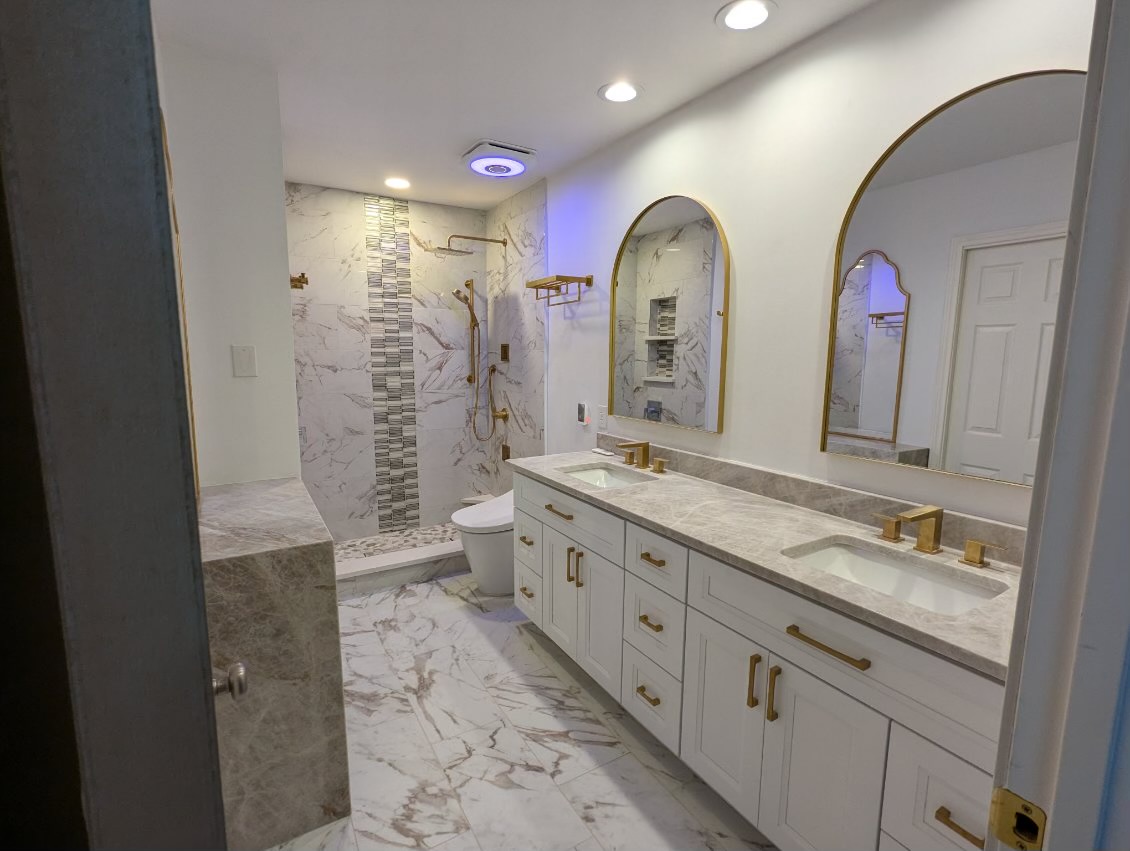
Every successful full-home renovation starts long before the first wall comes down. The most important early step is clarifying your “why.” Are you renovating to increase resale value, to adapt the home to a growing family, to age in place, or simply to finally enjoy the house you already own? Your primary motivation will shape decisions about layout, materials, and budget. For example, a renovation focused on resale in Frisco’s competitive housing market might emphasize neutral finishes and high-impact spaces like kitchens and bathrooms, while a long-term “forever home” project might prioritize custom built-ins, upgraded insulation, or a luxurious primary suite.
Once you understand your why, break your vision into must-haves, nice-to-haves, and future-phase items. Must-haves are the non-negotiables: that wall between the kitchen and living room that has to go, or the outdated primary bathroom that needs a complete overhaul. Nice-to-haves might include a mudroom bench with storage or upgraded interior doors. Future-phase items could be things like an outdoor kitchen that you’d like to add later. This simple categorization helps you and your contractor, such as Red River Renovations, make smart trade-offs when real-world constraints like budget and structural realities enter the picture.
It’s also wise to think about lifestyle flow rather than just individual rooms. Walk through your daily routine in your mind: where do shoes pile up, where does homework happen, where do guests congregate, and where do you always wish there was more light or storage? In Frisco homes with open floor plans, for example, you might discover that reorienting the kitchen island or shifting a pantry wall could dramatically improve how you live, even more than adding square footage. The best full-home renovation plans are built around how you actually use your home, not just how it looks in photos.
Budgeting And Financial Planning
Talking about budget is where many homeowners feel the most stress, but it’s the backbone of a successful renovation. A full-home project in Frisco, TX will vary widely in cost depending on the size of the house, the scope of work, and the level of finishes you choose. Labor, materials, permits, and unexpected repairs all play a role. Rather than starting with a long wish list and hoping it fits, start with a realistic investment range and work with your contractor to prioritize within it. Red River Renovations, for instance, can help you understand what is achievable at different budget levels and where your money will have the biggest impact.
A crucial part of financial planning is building in a contingency fund. Renovations, especially in older homes, often uncover surprises: outdated wiring behind the walls, plumbing that isn’t up to code, or framing that needs reinforcement. Industry pros commonly recommend setting aside 10–20% of your total budget as a contingency. In fast-growing communities like Frisco, where many homes were built quickly during boom years, uncovering hidden issues is not unusual. Having that buffer means those surprises become manageable challenges rather than financial crises.
Financing options are another key consideration. Some homeowners pay cash; others use home equity loans, HELOCs, or renovation-specific financing. Each option has implications for your overall financial picture, from interest rates to how quickly you want the project completed. Before you sign a construction contract, it’s smart to talk with your lender and possibly a financial advisor to make sure your renovation strategy aligns with your long-term plans. Clear financial groundwork allows you to make confident decisions during the project instead of constantly worrying about every line item.
Design, Layout, And Selections
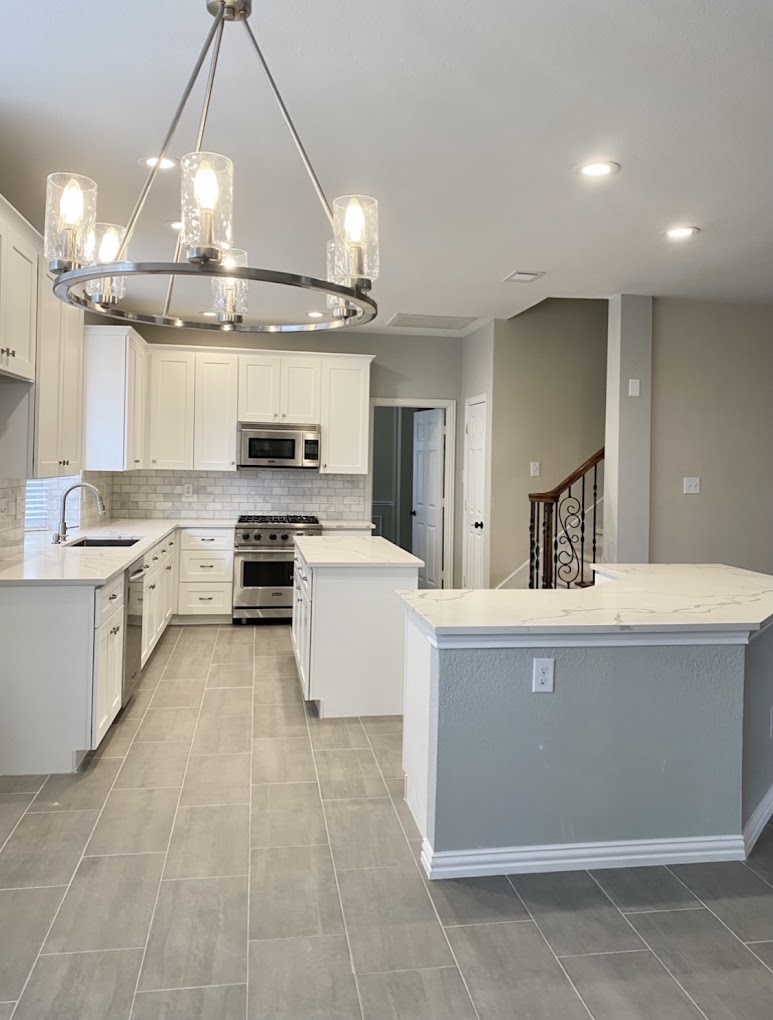
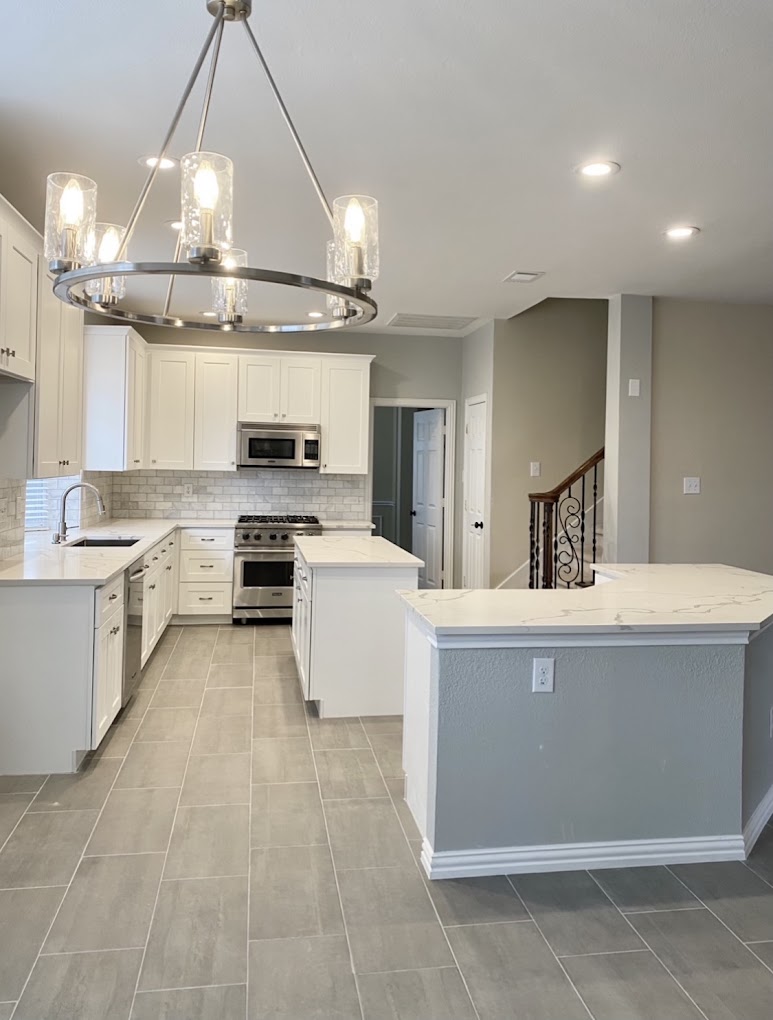
With a clear vision and budget in place, the next major phase is design. This is where your home’s new layout, finishes, and overall style come together on paper before anything changes on site. A full-home renovation often involves opening or moving walls, reconfiguring bathrooms, and sometimes relocating the kitchen entirely. In Frisco’s two-story homes, you may also be looking at reworking the staircase, adding a second-floor laundry, or creating a more functional game room. Working with a contractor like Red River Renovations that understands both design and construction ensures that what looks beautiful on a plan can actually be built efficiently and safely.
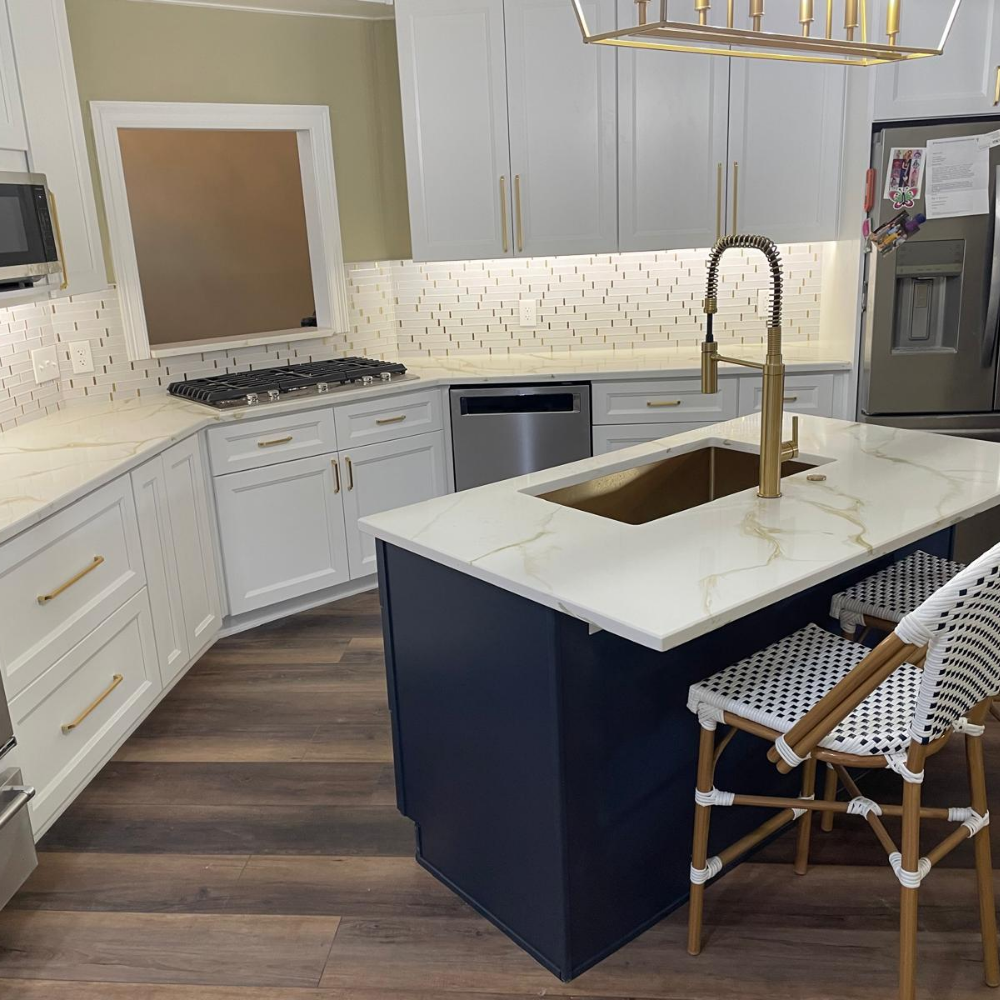
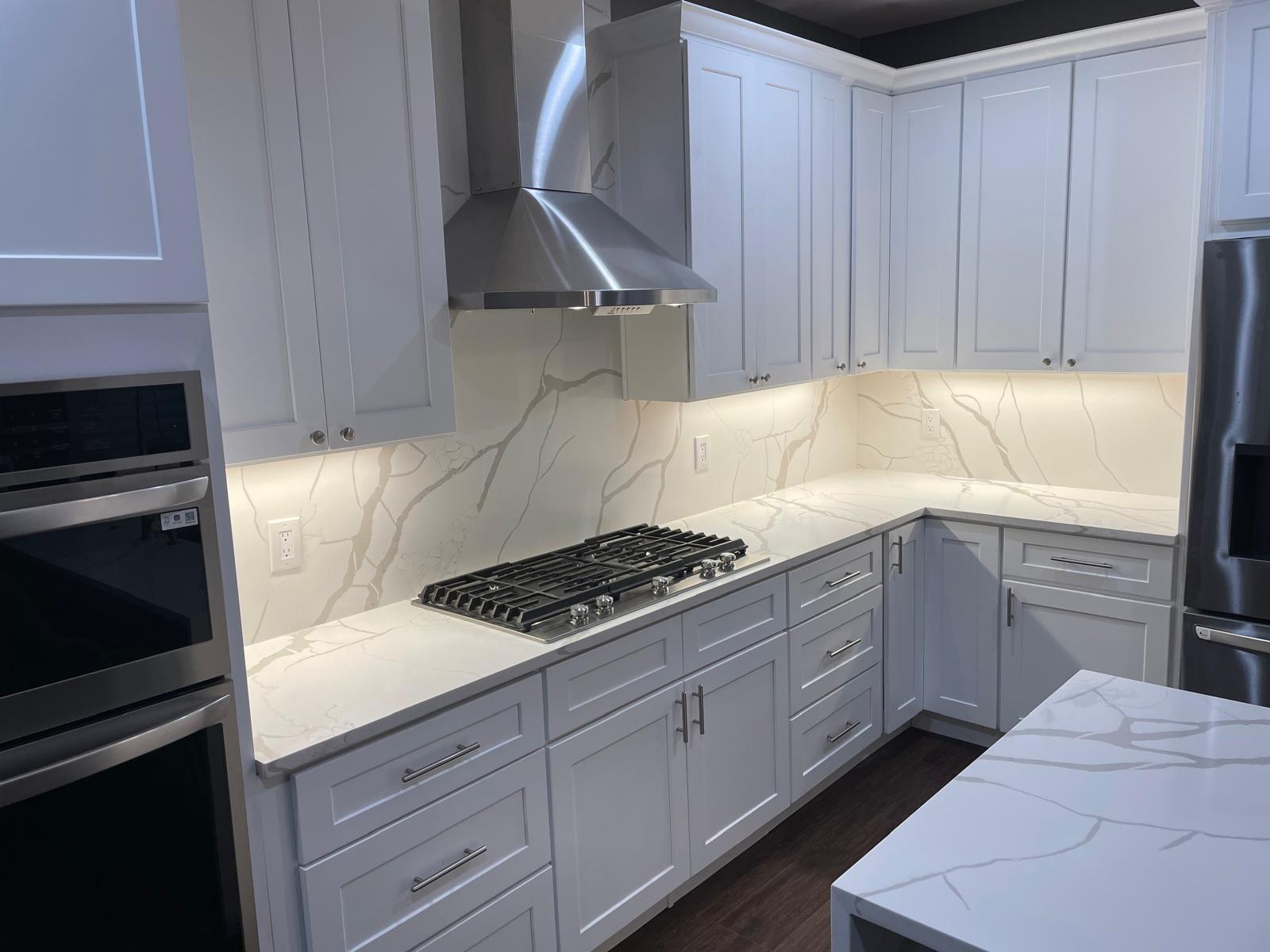
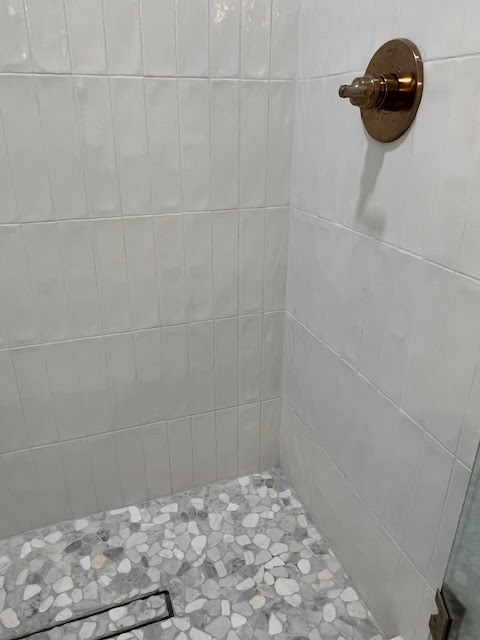
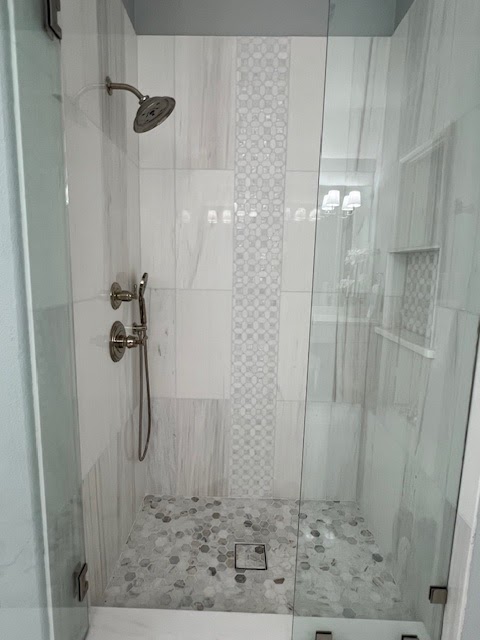
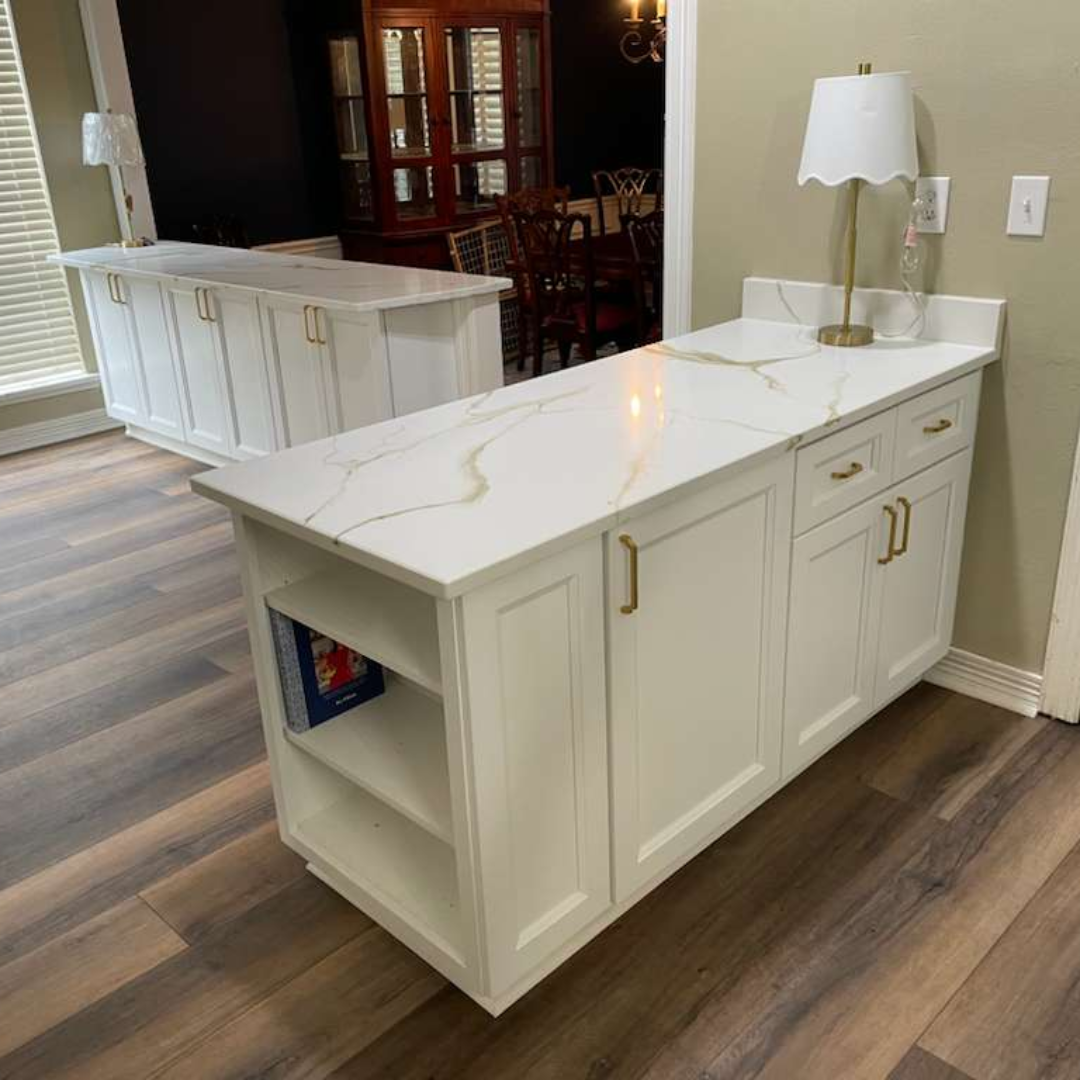
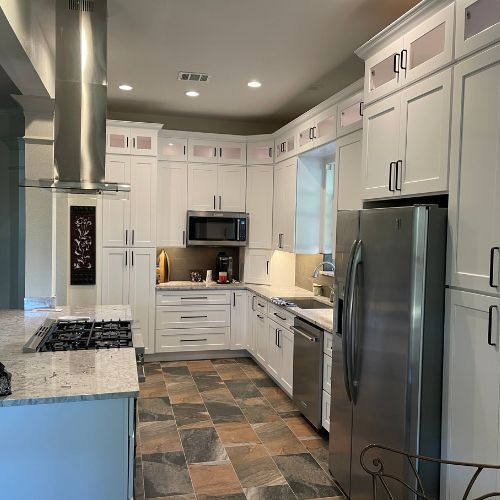
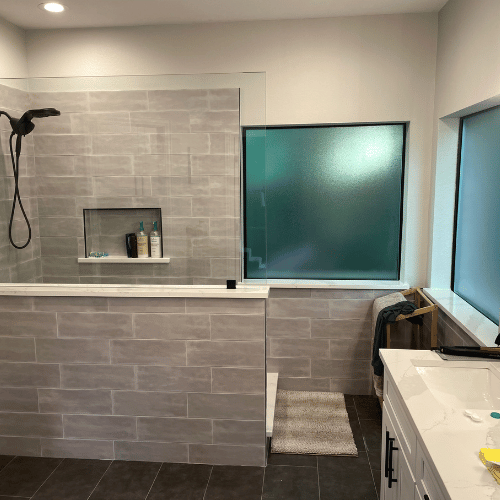
During the design phase, you’ll make a series of selections: flooring, tile, cabinets, countertops, plumbing fixtures, lighting, paint colors, and more. It can feel overwhelming, but a structured process helps. Start with the big-picture style you’re drawn to—modern, transitional, farmhouse, or something more traditional—and then narrow down materials that support that look. In North Texas, many homeowners prefer durable, low-maintenance options like luxury vinyl plank flooring, quartz countertops, and porcelain tile that can stand up to kids, pets, and entertaining. Choosing cohesive finishes across the whole home gives a sense of flow and unity, even if each room has its own personality.
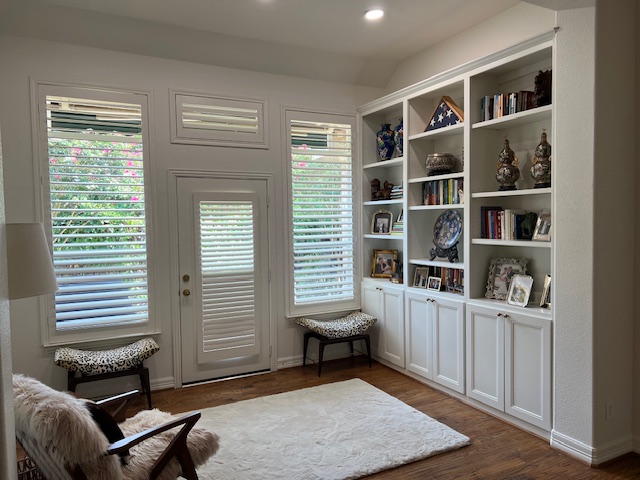
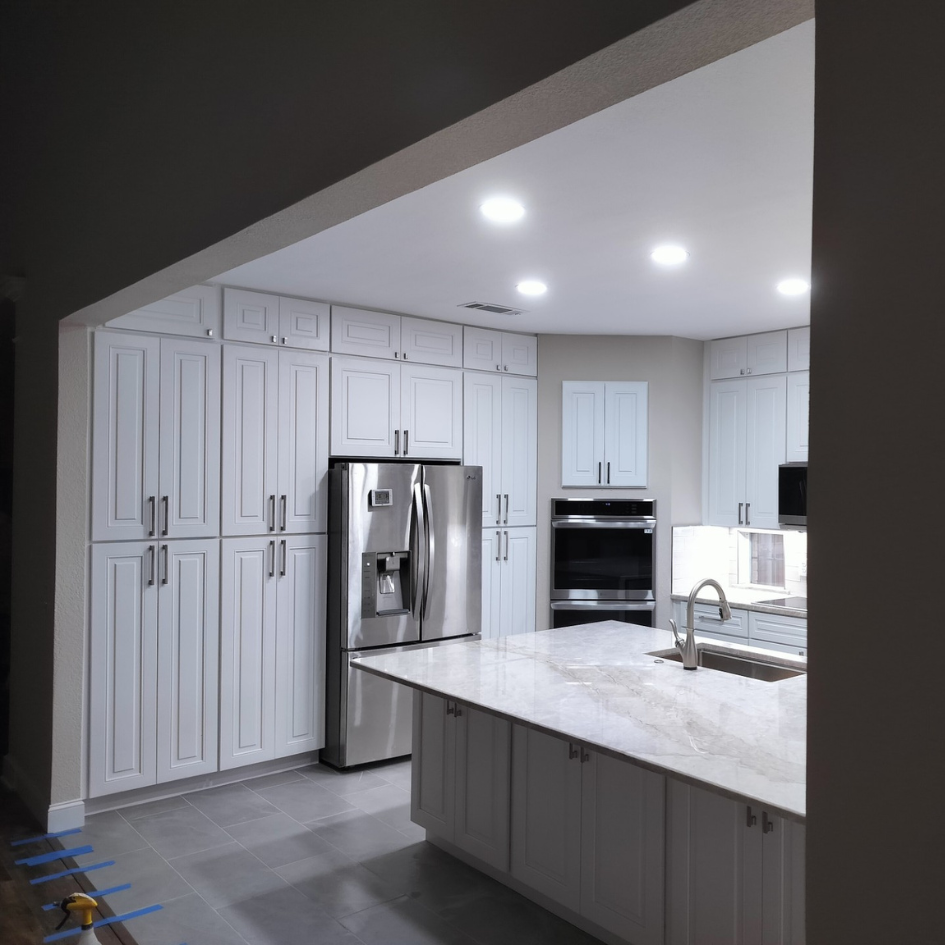
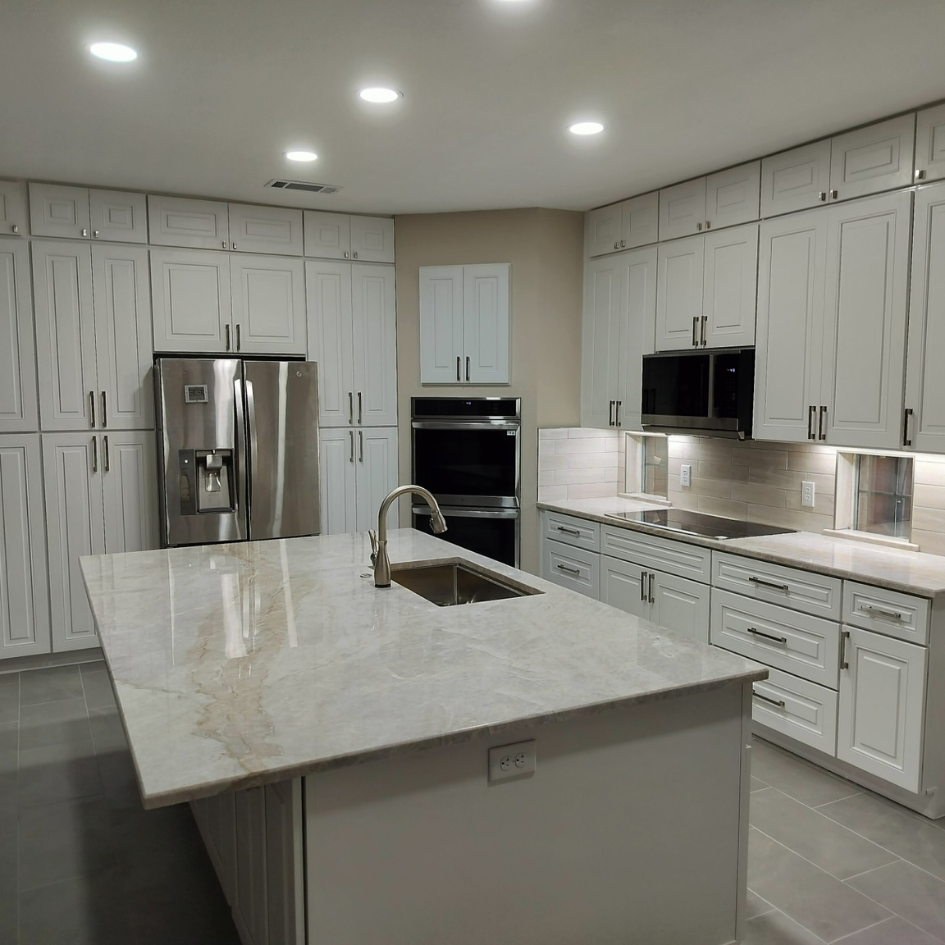
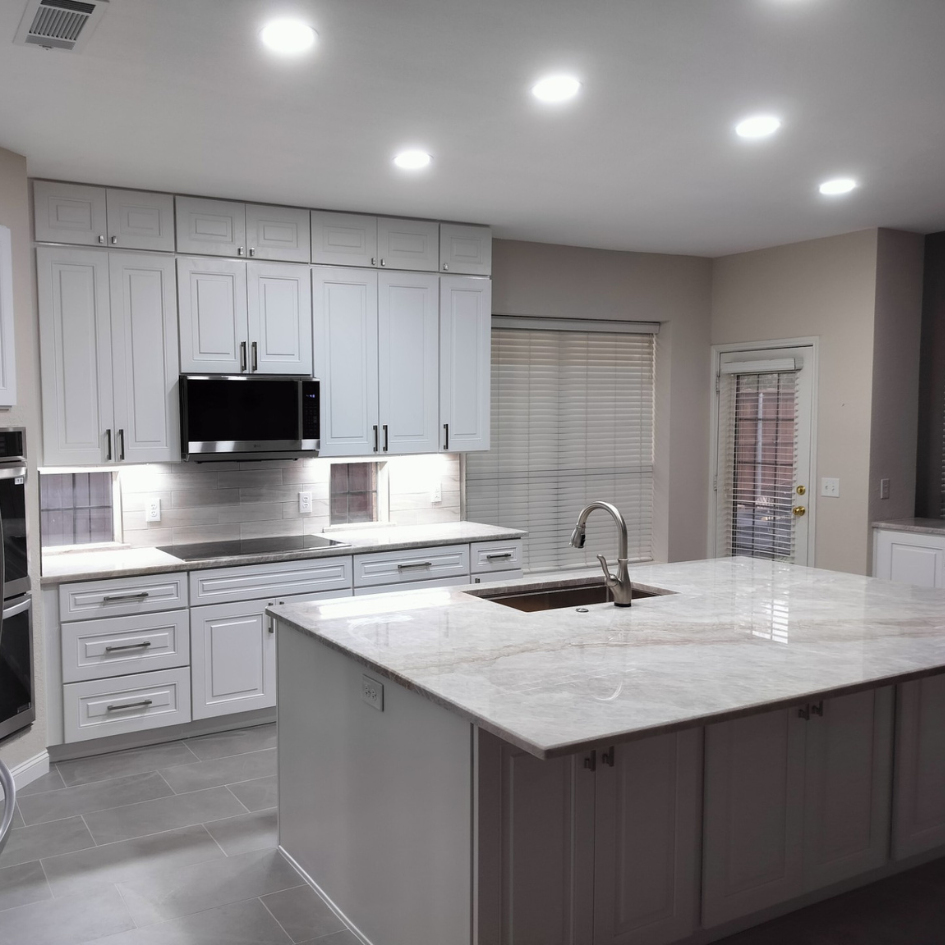
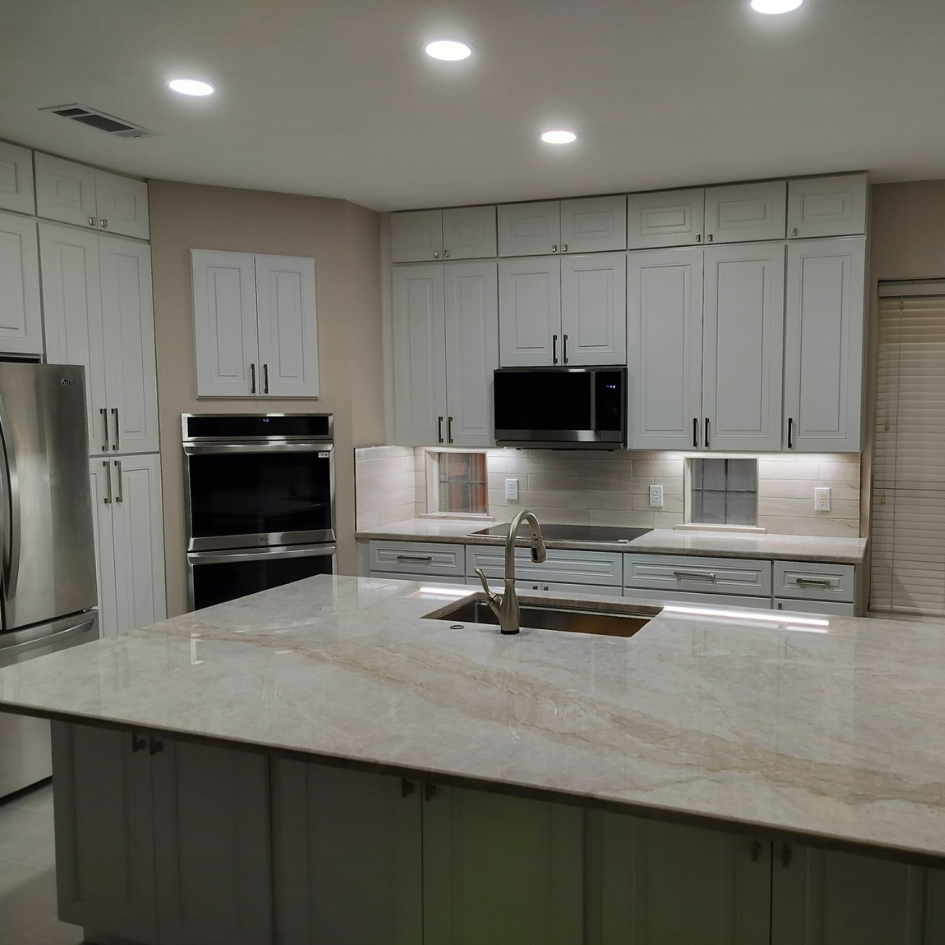
Lighting and storage are two design areas that are often underestimated. A full-home renovation is the perfect time to add recessed lighting, update old fixtures, and introduce layered lighting with pendants, sconces, and under-cabinet lights. Thoughtful lighting can make a standard room feel high-end and inviting. Similarly, rethinking closets, pantry space, and built-ins can dramatically improve daily life. For example, a Frisco family might benefit from a larger mudroom with cubbies for sports gear or a walk-in pantry that doubles as a small appliance station. Good design doesn’t just look nice; it reduces clutter and makes your routines smoother.
Permits, Codes, And Structural Considerations
Behind every well-executed renovation is a foundation of proper permitting and code compliance. While it’s tempting to think of permits as red tape, they protect you as the homeowner by ensuring that structural, electrical, and plumbing work meet safety standards. In Frisco, TX, the city has specific requirements for everything from load-bearing wall modifications to new circuits and HVAC changes. A reputable contractor like Red River Renovations will handle the permit process for you, coordinating with local building officials and scheduling inspections at the appropriate stages.
Structural considerations are especially important in full-home renovations where walls are being removed or large openings are being created. Just because a wall looks small doesn’t mean it isn’t carrying significant load from the floor or roof above. Structural engineers may be involved to specify beams, posts, and other support elements. This is not an area to cut corners. A properly engineered open-concept living area will feel solid, safe, and permanent, while shortcuts can lead to sagging floors, cracked drywall, and serious safety risks over time.
Electrical and plumbing systems also come under scrutiny during a major remodel. Older homes may have wiring that no longer meets code or plumbing lines that are undersized for modern fixtures. A full-home renovation is often the best time to update these systems, add dedicated circuits for high-demand appliances, and bring everything up to current standards. It’s less glamorous than choosing a backsplash, but it’s what keeps your new space functioning reliably. When inspections are passed and everything is properly documented, you gain peace of mind and maintain the value of your investment.
The Construction Phase: What To Expect
Once design, permits, and planning are in place, the visible transformation begins. The construction phase of a full-home renovation typically follows a general sequence: demolition, framing, rough-in for mechanicals (plumbing, electrical, HVAC), inspections, insulation, drywall, and then finishes like flooring, trim, cabinets, and paint. Each step builds on the previous one, and small delays can ripple through the schedule. Having a clear timeline and regular communication with your contractor is essential. Red River Renovations, for example, will outline major milestones and keep you informed about progress and changes.
Living through a whole-house remodel can be disruptive, especially if you remain in the home during construction. Expect dust, noise, and temporary inconveniences such as makeshift kitchens or limited bathroom access. Planning ahead for these realities makes them easier to handle. Some Frisco homeowners choose to stay with family, rent a short-term apartment, or phase the work so that parts of the home remain livable. Your contractor can help you understand what’s realistic based on the scope of work and safety considerations.
As the project moves into the finish stage, you’ll see your earlier decisions come to life: cabinets installed, tile set, paint on the walls, and fixtures mounted. This is an exciting time, but it’s also when attention to detail matters most. Small adjustments to door swings, trim details, or grout color can make a big difference in the final result. Regular walk-throughs with your contractor help catch issues early. A professional team will also perform their own quality checks, ensuring that everything functions correctly, lines are straight, and the workmanship meets the agreed-upon standard.
Final Walk-Through, Punch List, And Long-Term Care
Near the end of the renovation, you’ll do a formal walk-through with your contractor to create a punch list—items that need touch-ups, adjustments, or completion. This might include paint blemishes, hardware alignment, caulking, or minor drywall repairs. The punch list process is standard in full-home renovations and is your opportunity to ensure that the finished product matches the plans and your expectations. Red River Renovations will work through that list systematically so that your new spaces are truly ready for everyday life.
During or after the final walk-through, you should also receive information about warranties, maintenance, and any specific care instructions for your new materials and systems. For example, certain flooring types have recommended cleaning products, and some plumbing fixtures require periodic maintenance to perform their best. Keeping this information organized—either in a physical binder or digital folder—helps you protect your investment over time. If you ever decide to sell, having documentation of permits, inspections, and warranties is a major plus for potential buyers.
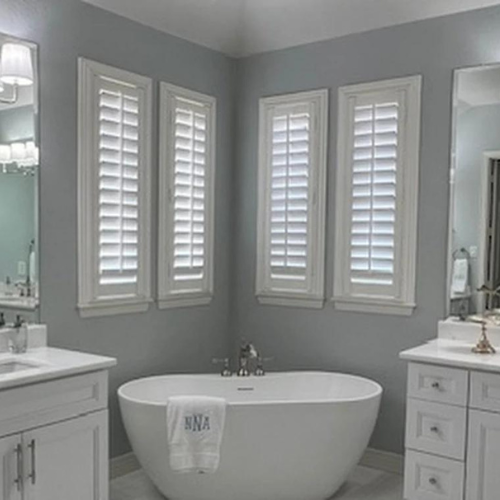
Finally, remember that a full-home renovation is not just about adding value to your property; it’s about enhancing the way you live. When the dust has settled and you’re cooking in your new kitchen, relaxing in a reimagined living room, or enjoying a redesigned primary bath, the planning and patience will feel worth it. Many Frisco homeowners find that a thoughtfully executed renovation makes them fall in love with their home all over again, often choosing to stay longer than they originally planned.
Frequently Asked Questions
How long does a full home renovation usually take? The timeline depends on the size of your home and the scope of work, but most full-home renovations range from three to nine months from the start of construction. Design, planning, and permitting often add several weeks or months before that. In Frisco, TX, lead times for materials and inspections can also influence the schedule. A contractor like Red River Renovations will provide a projected timeline with major milestones and update you if any adjustments are needed due to discoveries on site or supply-chain changes.
Is it cheaper to renovate or to move? The answer varies by situation, but many Frisco homeowners find that renovating is more cost-effective than selling, paying closing costs, and buying a new home at current market prices. Renovation allows you to customize the exact spaces you use every day without sacrificing your neighborhood, school district, or commute. When you factor in moving expenses, realtor fees, and the premium often paid for a “turnkey” home, investing in a full-home renovation with a trusted local contractor can be a smart financial and lifestyle decision.
Do I need an architect for a full home renovation? Not always. For many projects, an experienced design-build contractor can handle the layout, structural coordination, and detailed plans needed for permits. However, if your renovation involves major structural changes, additions, or complex architectural elements, an architect or structural engineer may be part of the team. Red River Renovations can advise you on whether outside design professionals are necessary based on your specific goals and the existing structure of your Frisco home.
Can I stay in my home during the renovation? In many cases, yes, but it depends on the extent of the work and your tolerance for disruption. If your kitchen and all bathrooms are being renovated simultaneously, or if there are significant structural modifications, it may be more practical and safe to temporarily move out. Some homeowners choose a hybrid approach, staying during early phases and then relocating during the most intensive work. Your contractor will help you understand what areas of the home will be accessible at each stage so you can make an informed decision.
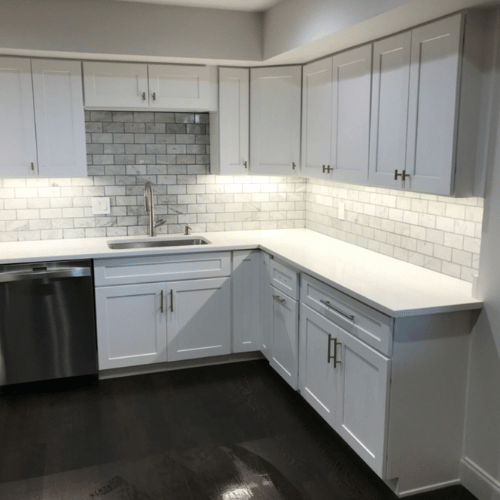
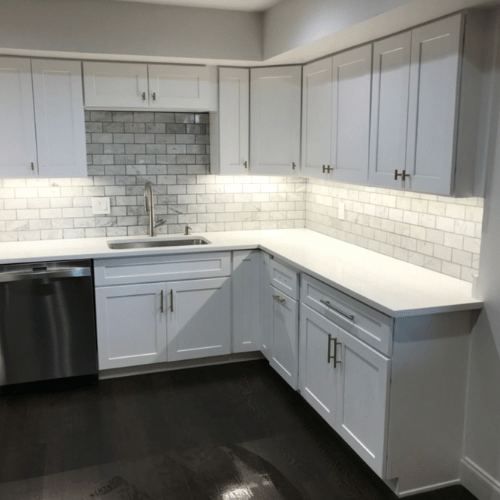
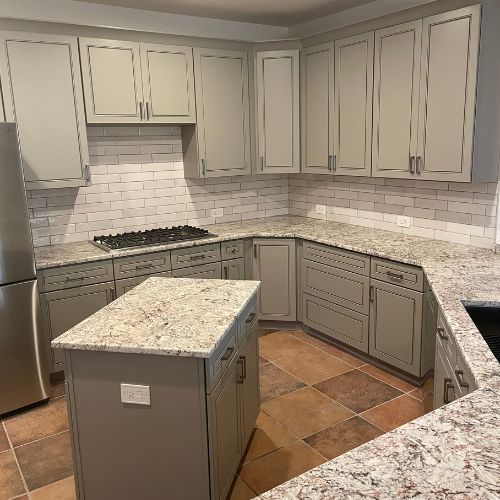
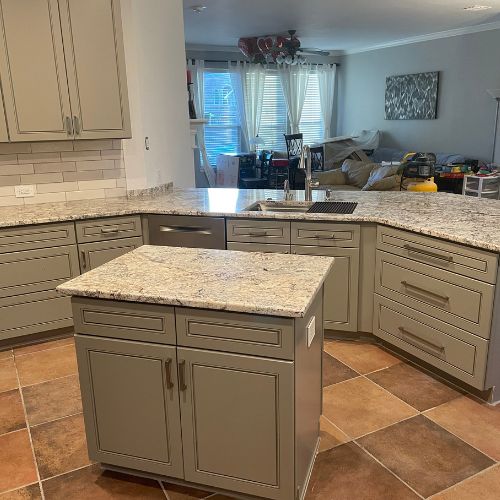
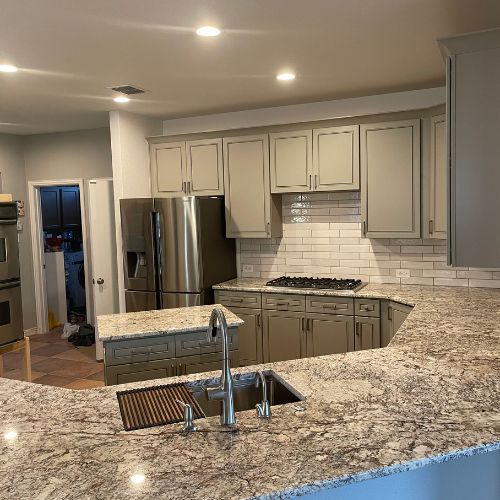
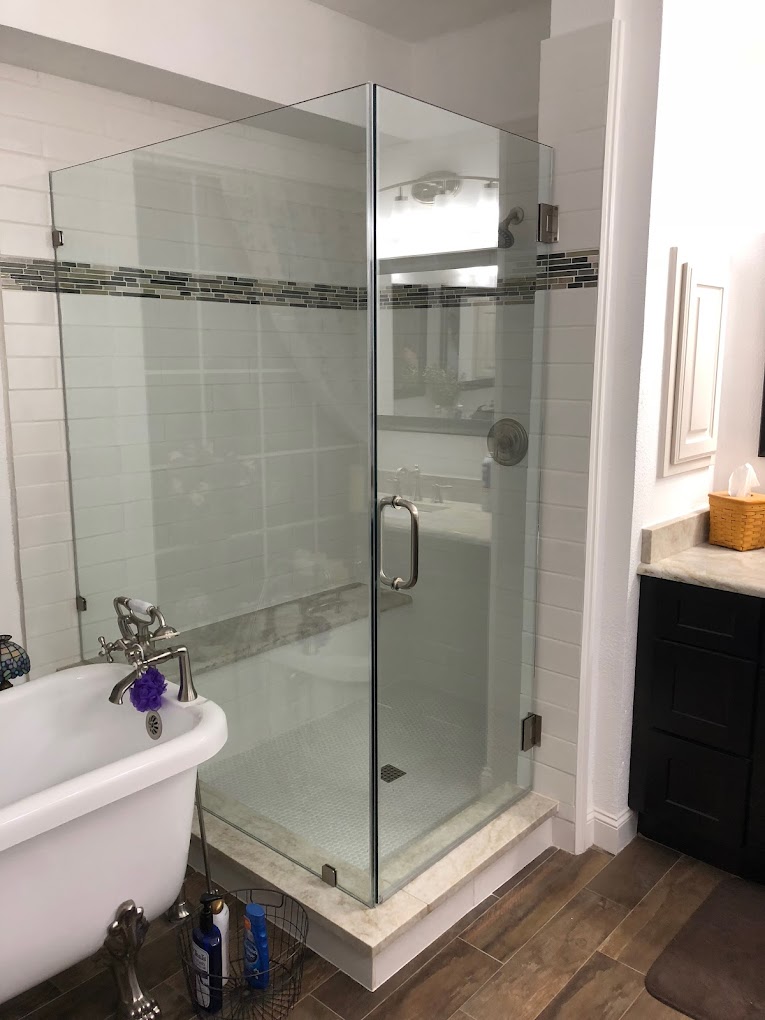
Which areas of the home should I prioritize first? For both daily enjoyment and resale value, kitchens and bathrooms are typically the top priorities. An updated kitchen with efficient layout and durable finishes can transform how you use the entire main floor, while modernized bathrooms add comfort and appeal. From there, consider high-traffic living spaces, flooring continuity, and storage solutions. If your budget doesn’t allow everything at once, you might start with a Custom kitchen remodel and plan for additional phases. A comprehensive master plan developed with Red River Renovations ensures that each phase fits seamlessly into your long-term vision.