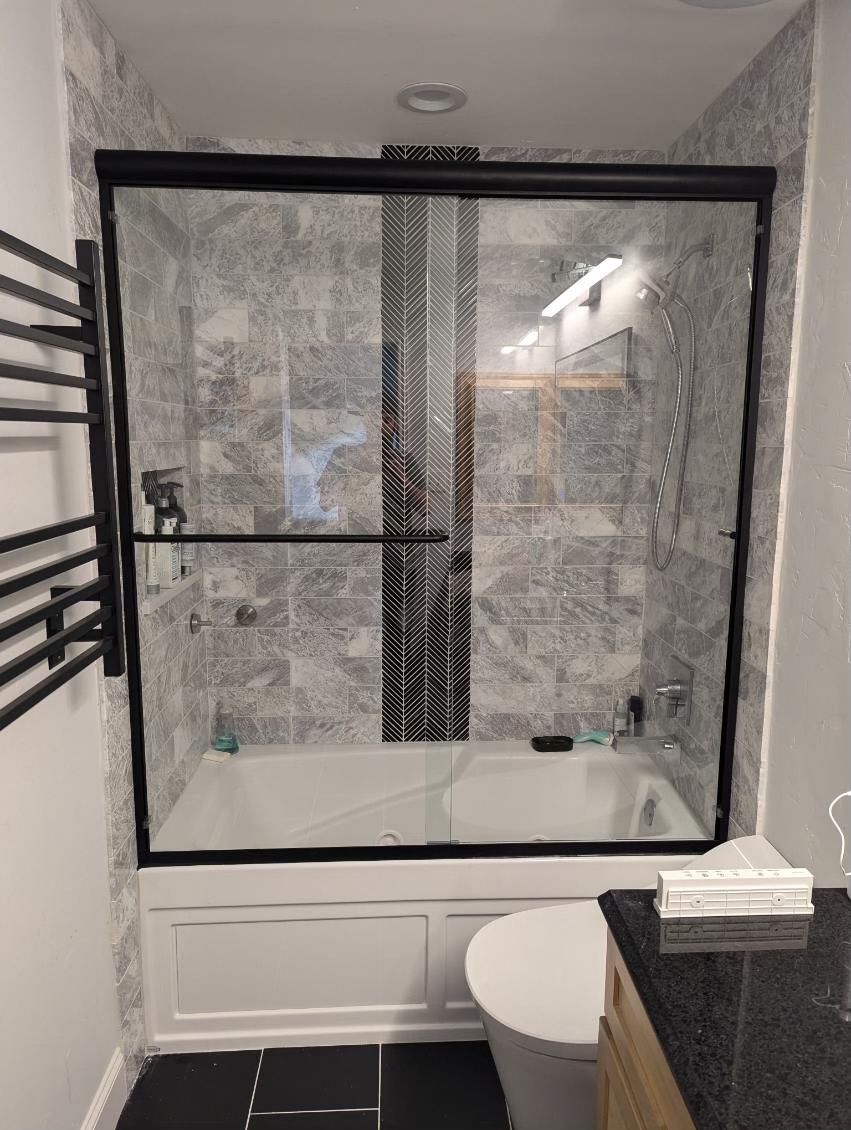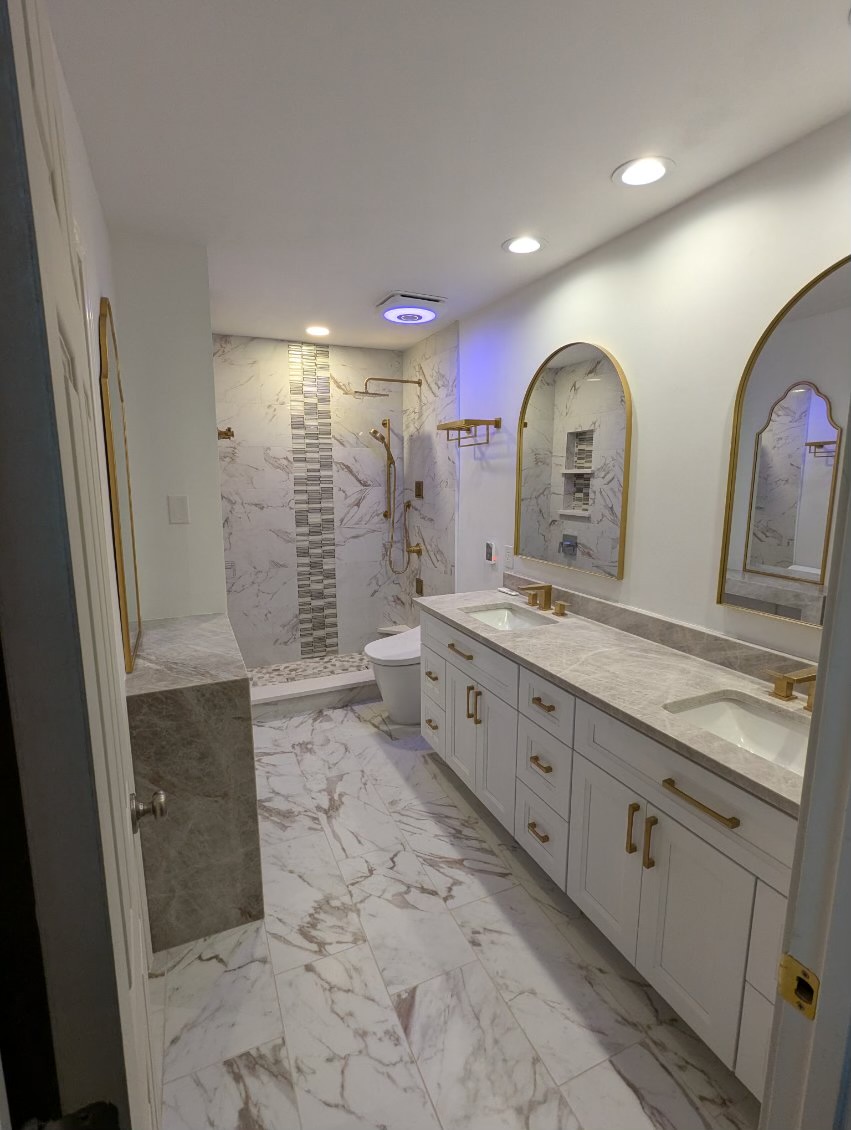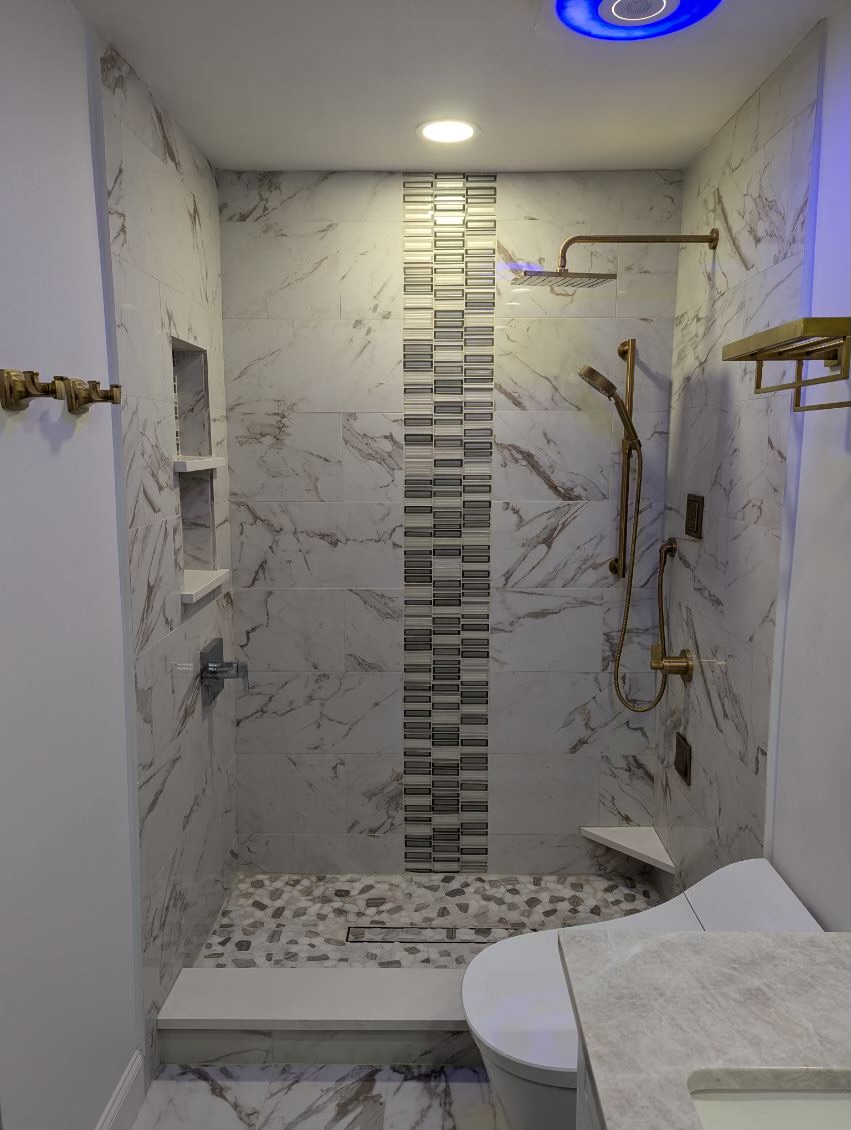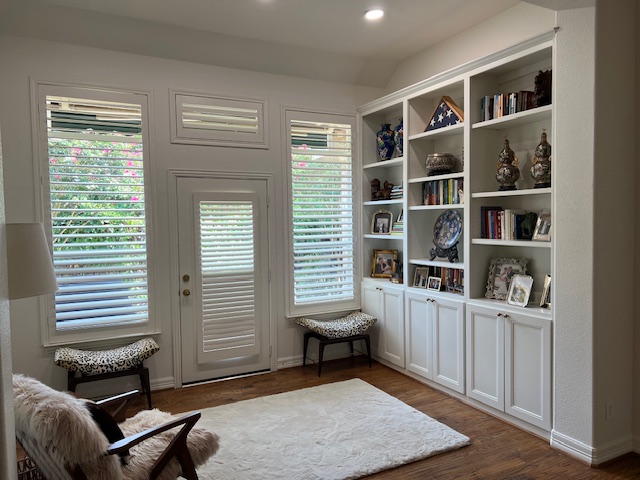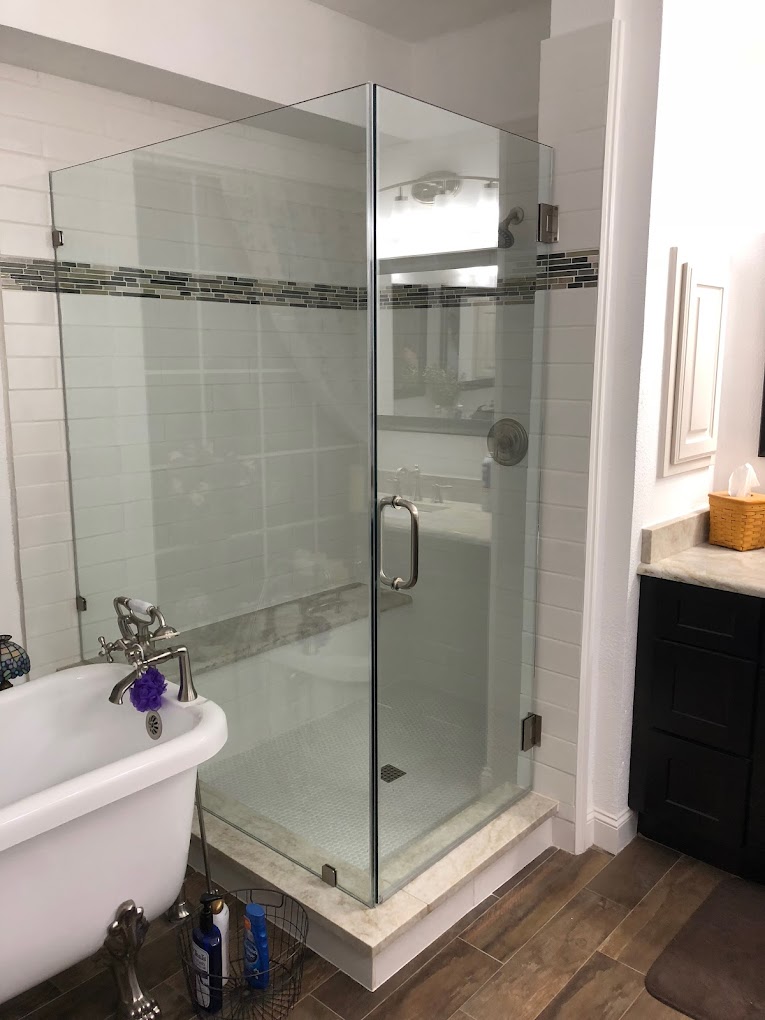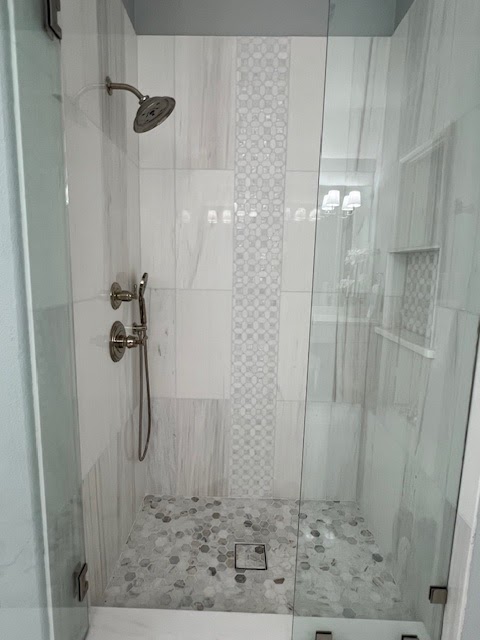
The first time it really hits most homeowners is not when they sign a contract, but when they stand in their living room and realize, “We’ve simply run out of space.” Maybe it is kids sharing a bedroom that no longer works, a parent moving in, or the sudden need for a quiet home office. Whatever the trigger, the idea of a home addition starts as a simple solution: “What if we just extend this wall?” But as you begin to think about costs, permits, design, and disruptions to your daily life, it quickly becomes clear that a home addition is not just “more space”; it is a full-scale planning project that touches almost every part of your home and lifestyle.
For homeowners in Frisco, TX, that planning process is especially important. The city’s rapid growth, HOA guidelines, and Texas weather patterns all influence what is realistic, what is allowed, and what will actually add value to your home. Red River Renovations works with families who are excited about the potential of an addition but understandably overwhelmed by the details: Where do we start? Who do we talk to first? How do we avoid costly mistakes? A thoughtful, step-by-step approach answers those questions before any demo begins.
This guide breaks down home additions planning into manageable stages, from clarifying your goals to working with a contractor, budgeting, and getting through construction with your sanity intact. Whether you are imagining a new primary suite, a second-story addition, a sunroom, or a larger kitchen, the principles are the same: plan carefully, respect the structure of your existing home, and coordinate early with professionals who know the Frisco area and its building requirements.
Clarifying Your Goals
Every successful home addition in Frisco starts with a clear, specific purpose. “We need more space” is too vague to guide a design or a budget. Instead, begin by asking what problem you are actually trying to solve. Do you need privacy for a multigenerational household? Do you want to create an entertaining space that flows better to the backyard? Are you planning to work from home permanently and need a dedicated office? Listing your top three priorities forces you to focus on function before getting lost in aesthetics.
Next, consider how your household might change over the next five to ten years. Frisco is filled with growing families and professionals whose needs evolve quickly. A nursery addition that only works for a crib and rocking chair may feel cramped once it needs to hold a teenager’s furniture. A home office that doubles as a guest room may need soundproofing if virtual meetings become a daily routine. Red River Renovations often encourages clients to think in “phases” – designing today’s space so it can evolve with minor modifications rather than major tear-outs later.
You should also decide whether your main objective is lifestyle improvement, resale value, or a balance of both. In some Frisco neighborhoods, adding square footage in the right way can significantly boost property value, especially if you are aligning with what buyers in your area expect: larger primary suites, open kitchens, or flexible bonus rooms. In other cases, you might prioritize highly personalized features that make sense for your family, even if the ROI on resale is modest. Being honest about your priorities helps your contractor and designer tailor recommendations instead of guessing what matters most to you.
Understanding Types of Additions
Not all home additions are created equal. The term “addition” can refer to anything from enclosing a patio to building an entirely new wing. One common option in Frisco is a rear or side bump-out, where you extend an existing room—like a kitchen, family room, or primary bedroom—into the yard. This can dramatically change how you live in that space without fundamentally altering the rest of the house. Bump-outs are often less structurally complex than adding a new story, but they still require careful attention to foundation, roof lines, and drainage.
Another category is the full room or multi-room addition. This might be a new primary suite, an in-law suite with a small kitchenette, or a family room with large windows and backyard access. These additions typically have their own foundation and roof structure, making them more like building a small house attached to your existing one. Because of that, the design must consider how the new structure ties into your current home visually and structurally, and how it affects natural light, traffic flow, and HVAC loads.
Second-story additions are a powerful option when your lot size or HOA rules in Frisco make expanding outward difficult. Adding a second floor can give you multiple bedrooms, bathrooms, or a large game room without sacrificing yard space. However, this type of addition is structurally intensive. Your existing foundation and framing must be evaluated to ensure they can support the extra load. Roof removal, staircase placement, and temporary weather protection become critical planning points. Red River Renovations often works with structural engineers to confirm feasibility before moving forward with any vertical expansion.
Evaluating Your Existing Home
Before you fall in love with a specific addition concept, your current home needs a candid assessment. This includes the obvious structural elements, such as foundation condition, roof age, and load-bearing walls, but also systems like electrical capacity, plumbing layout, and HVAC sizing. In many Frisco homes built during the area’s rapid growth, systems were sized for the original square footage. Adding several hundred square feet may require a new HVAC zone, updated electrical panel, or reworked plumbing lines to maintain comfort and safety.
The layout of your existing home also shapes what is practical. For example, where are your current bathrooms and kitchen located? Tying a new bathroom into existing plumbing lines can save significant cost compared to running entirely new lines across the house. Where does the sun rise and set relative to your lot? A sunroom addition that bakes in the Texas afternoon heat may need different glazing, shading, or insulation than a north-facing expansion. Red River Renovations pays close attention to these details to prevent beautiful new spaces from becoming uncomfortable or inefficient.
Outside, your lot conditions and neighborhood rules come into play. Setback requirements, easements, and HOA design standards in Frisco can limit how far you can extend and where. For example, utility easements along the rear property line may restrict how close you can build. Drainage patterns are equally important; a new foundation or roofline must not cause water to pool against your home or your neighbor’s property. A thorough site evaluation early in the planning process avoids surprises when the city or HOA reviews your plans.
Budgeting And Cost Planning
Home addition costs vary widely, but what surprises many homeowners is not the base price—it is the “invisible” items that were never discussed at the beginning. To build a realistic budget, start by defining a total range you are comfortable with, including a contingency of 10–20 percent for unforeseen issues. Then break that budget into broad categories: design and engineering, permits and fees, demolition and site work, foundation and framing, mechanical systems, finishes, and furnishings. This structure helps you see where you might adjust choices later if needed.
In Frisco, local labor and material costs, as well as specific code requirements, influence pricing. For example, energy codes may require certain insulation levels, window performance, or ductwork standards that affect your mechanical and envelope costs. If you are adding a bathroom or wet bar, plumbing and tile work will be a bigger slice of the budget than a simple family room expansion. Red River Renovations typically walks clients through a line-by-line estimate so they understand which elements are driving the total and where there is flexibility.
It is also wise to think in terms of long-term operating costs, not just upfront construction. A poorly insulated addition or one with undersized HVAC may lead to high energy bills and uncomfortable rooms. Choosing higher-performance windows, better insulation, or a properly zoned HVAC system might increase initial costs slightly but save you money and frustration for years. Finally, plan how you will finance the project—cash, home equity line of credit, or renovation loan—and coordinate timelines with your lender so funding is available when construction milestones are reached.
Design, Permits, And Approvals
Once your goals and budget are defined, design work begins in earnest. This phase is where your ideas turn into floor plans, elevations, and detailed specifications. A strong design does more than show where walls go; it anticipates how you will move through the space, where natural light will fall, and how the new and old areas of the home connect visually. In Frisco’s family-oriented neighborhoods, that might mean aligning a new family room with backyard views, or designing a primary suite that offers privacy from active living areas.
At the same time, your design must satisfy local codes, zoning regulations, and HOA requirements. The City of Frisco will review plans for structural integrity, fire safety, setbacks, energy code compliance, and more. Many HOAs also require exterior materials and colors to align with community standards. Red River Renovations helps clients prepare complete submittals, including drawings and any required engineering documents, to streamline the approval process. Skipping this step or submitting incomplete plans can delay your project significantly.
Permitting is not just a bureaucratic hurdle; it is a safeguard for your investment. Inspections at key stages—foundation, framing, electrical, plumbing, mechanical, and final—ensure that the work meets minimum safety standards. A properly permitted and inspected addition also protects you when it is time to sell your home. Unpermitted work can create appraisal issues, insurance complications, and legal liabilities. Building your schedule around design and permitting timelines is part of realistic planning, especially in busy construction seasons when review times can lengthen.
Choosing The Right Contractor
The best plans still depend on the team that executes them. When you choose a contractor for your Frisco home addition, you are selecting not only a builder but a long-term partner who will be in and around your home for months. Look for a company with specific experience in additions and structural modifications, not just cosmetic remodels. Additions require tying into existing structures, matching finishes, and protecting the occupied parts of the home during construction. Red River Renovations, for example, focuses on this kind of work and understands the logistical challenges of building new space onto an active household.
During your selection process, pay close attention to how contractors communicate. Do they listen to your priorities, ask clarifying questions, and explain trade-offs honestly? Are their estimates detailed rather than vague lump sums? Ask about their process for handling change orders, scheduling, and site cleanliness. In Frisco’s busy family neighborhoods, maintaining safe, organized job sites and minimizing disruption to neighbors is a mark of a professional operation.
References and portfolio reviews are equally important. Ask to see photos and, if possible, visit completed additions similar to what you are planning. Speak with past clients about their experience: Did the contractor stay on schedule? How did they handle surprises behind the walls? Were there clear lines of communication? A reputable contractor will welcome these questions and be transparent about how they manage projects from design through final punch list.
Living Through Construction
Even with careful planning, a home addition is a major disruption. Understanding what daily life will look like during construction allows you to prepare mentally and practically. Expect noise, dust, and temporary changes to how you access parts of your home. For example, if your kitchen or main living area is adjacent to the addition, you may need to set up a temporary cooking area or rearrange furniture. Families with young children, pets, or remote workers should discuss specific needs with the contractor, such as work hours, access points, and safety barriers.
A good builder will establish clear routines: where crews park, which doors they use, and how materials are stored. They should also use dust containment methods—such as plastic barriers, floor protection, and air filtration—to protect the rest of your home as much as possible. In North Texas, weather can be unpredictable, so planning for rain, heat, and wind is also part of the schedule. Red River Renovations builds contingency time into the timeline and uses weather-appropriate strategies to keep the project on track.
Regular communication during the build is just as critical as it is during planning. Weekly check-ins, progress photos, and quick responses to questions help you stay informed and reduce anxiety. Keep a running list of questions or concerns so they can be addressed efficiently during these check-ins. When issues inevitably arise—such as hidden structural defects or material delays—a transparent, solution-oriented approach between you and your contractor keeps the project moving forward and preserves trust.
Frequently Asked Questions
How long does a typical home addition take in Frisco? Timelines vary based on size and complexity, but most standard additions range from three to six months once construction begins. Smaller bump-outs or single-room additions might fall on the shorter side, while second-story additions or multi-room projects trend longer. Design, engineering, and permitting can add several weeks or more before construction starts, so it is wise to view your project as a multi-phase effort rather than focusing only on the build time.
Will an addition always increase my home’s value? Adding square footage usually increases value, but the amount depends on design quality, functionality, and neighborhood standards. In Frisco, buyers often prioritize well-designed kitchens, primary suites, and flexible living spaces. An addition that feels like it “belongs” with the original home—matching finishes, rooflines, and layout logic—tends to deliver stronger returns than one that looks tacked-on. Red River Renovations can help you balance personal preferences with features that appeal broadly to future buyers.
Do I need an architect, or can my contractor handle the plans? For many additions, a design-build contractor can provide plans and coordinate any required engineering. More complex projects, especially large second-story additions or major structural changes, may benefit from an architect’s involvement. In Frisco, the key is ensuring that whoever creates your plans understands local codes, HOA expectations, and the structural realities of tying into an existing home. Red River Renovations often collaborates with designers and engineers to deliver a cohesive plan that is ready for permit review.
How do I stay within budget during the project? The most effective strategy is to make as many decisions as possible before construction starts. Finalizing layouts, material selections, and fixture choices reduces the risk of mid-project changes, which are a common source of cost overruns. Build a clear allowance structure for items like flooring, tile, and lighting so you know where you can upgrade or save. Maintaining a contingency fund for surprises behind the walls is also critical. Transparent communication with your contractor about priorities helps them suggest alternatives when costs need to be adjusted.
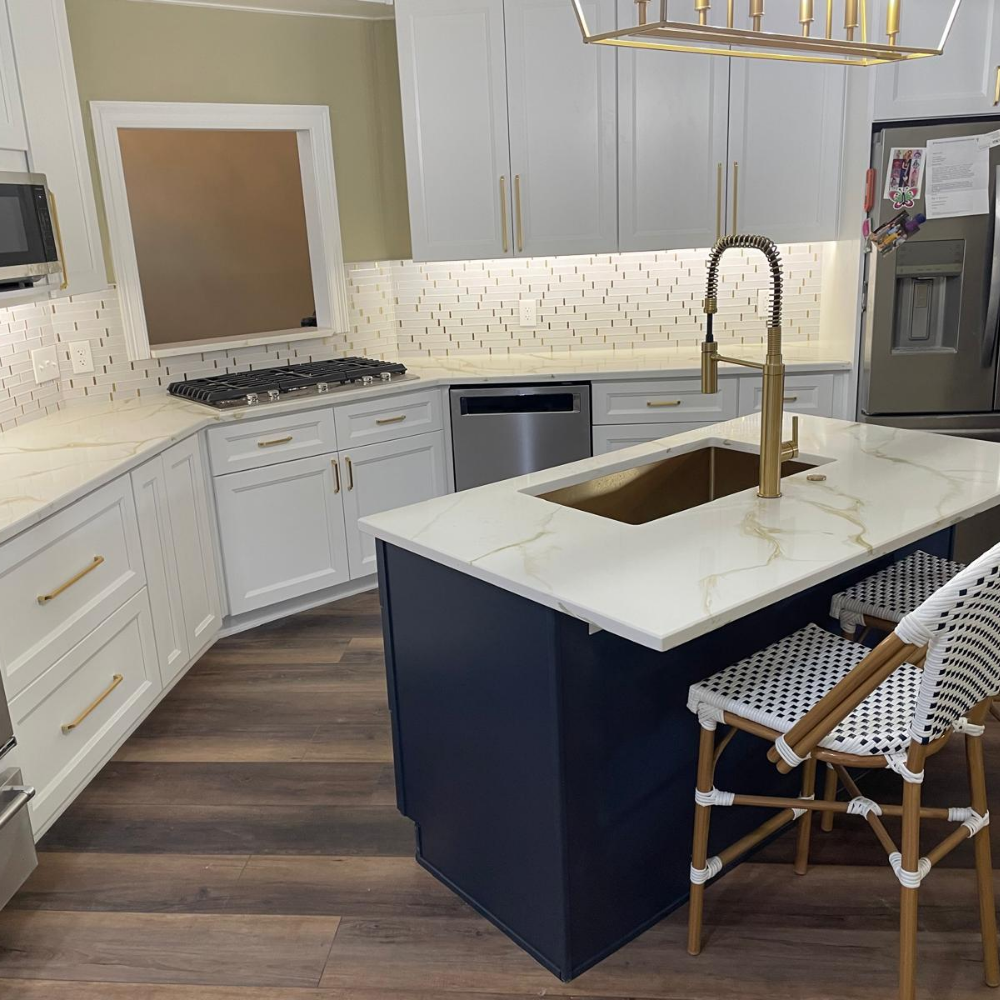
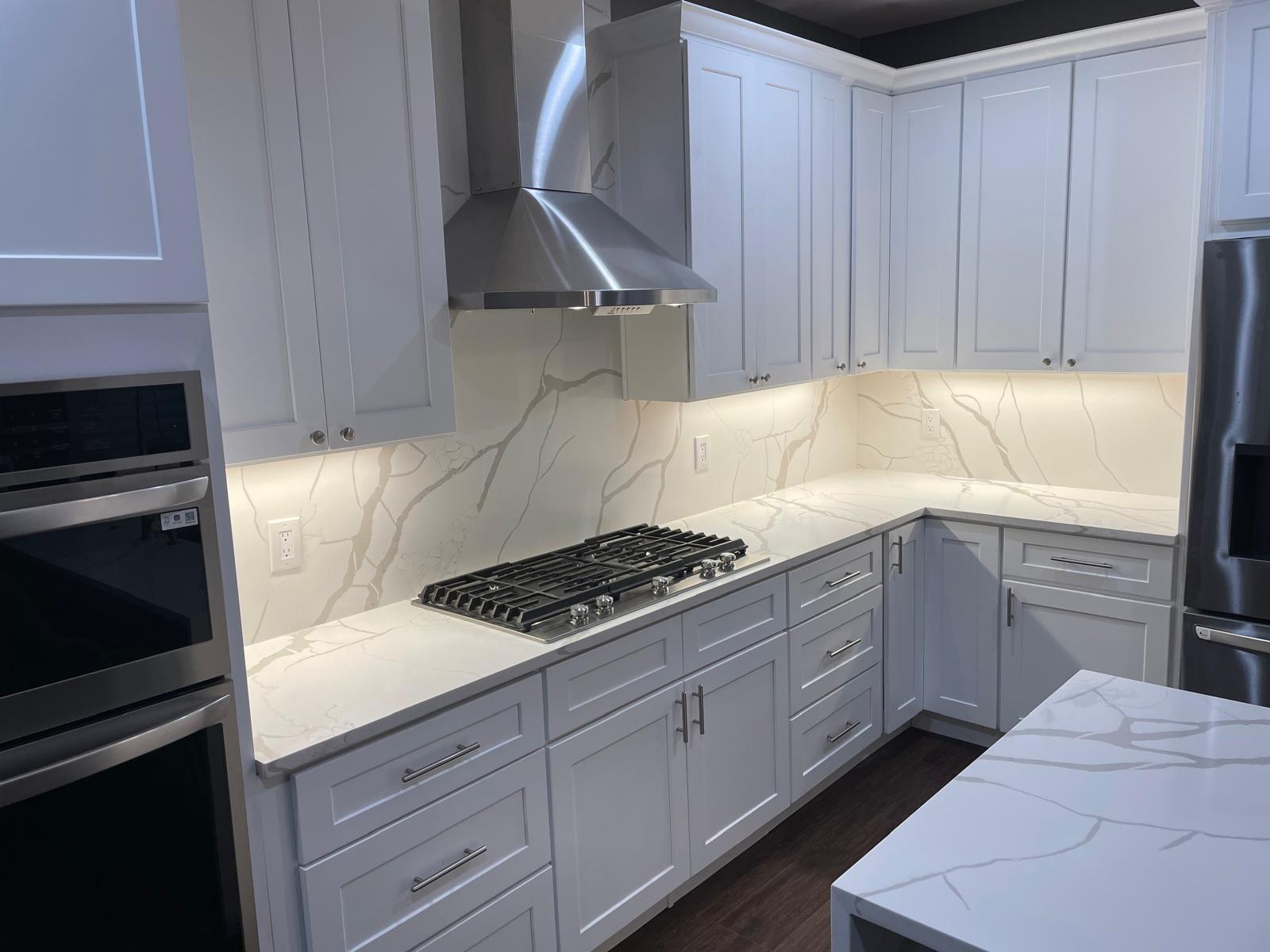
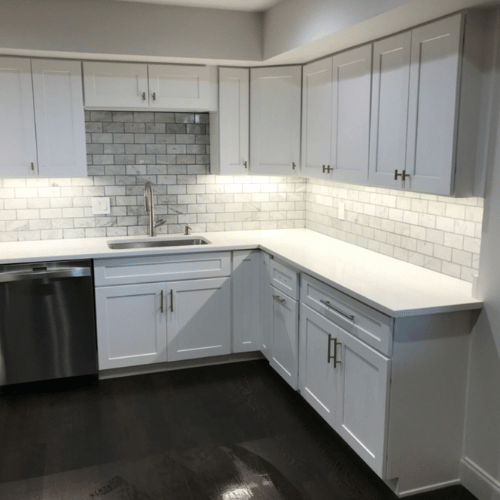
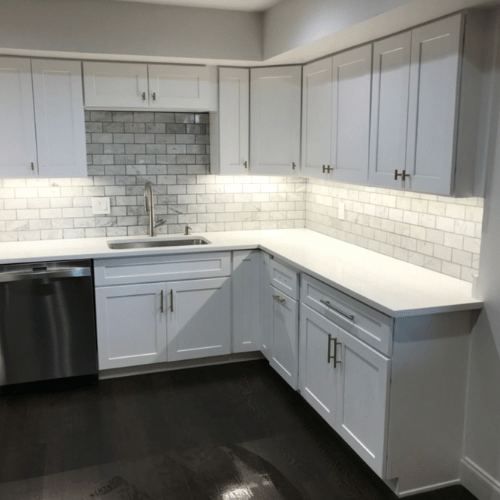
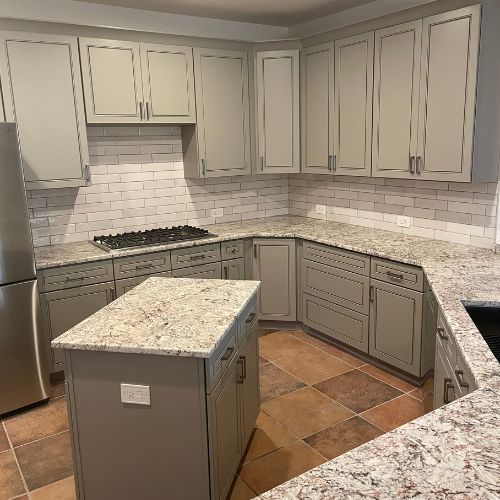
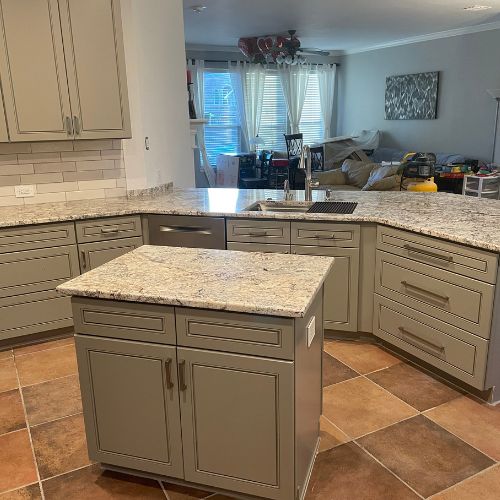
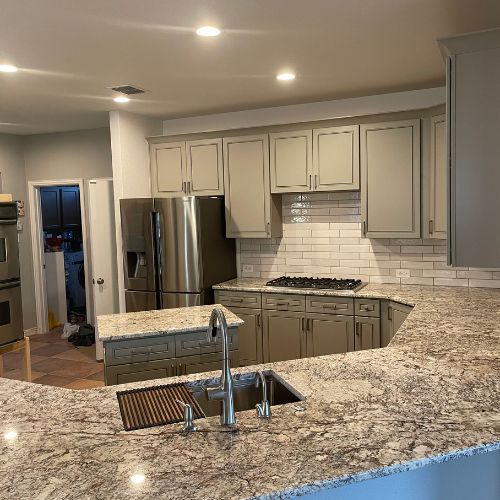
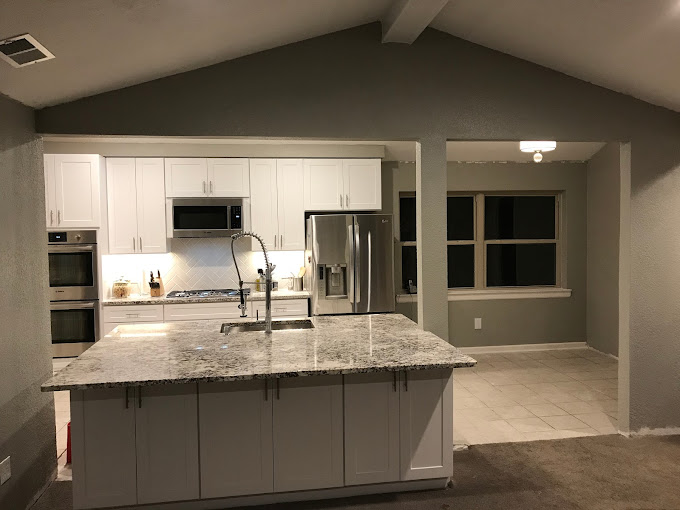
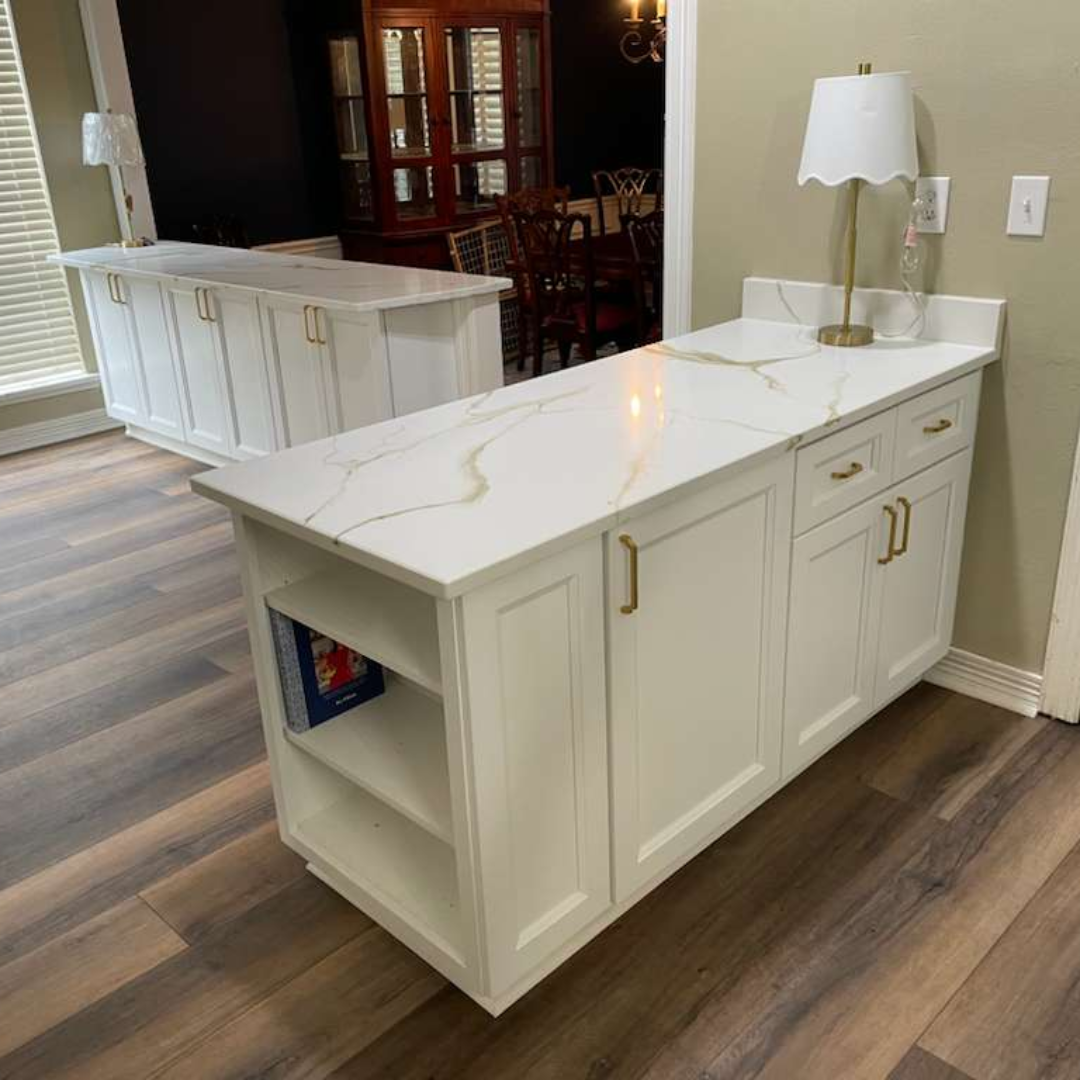
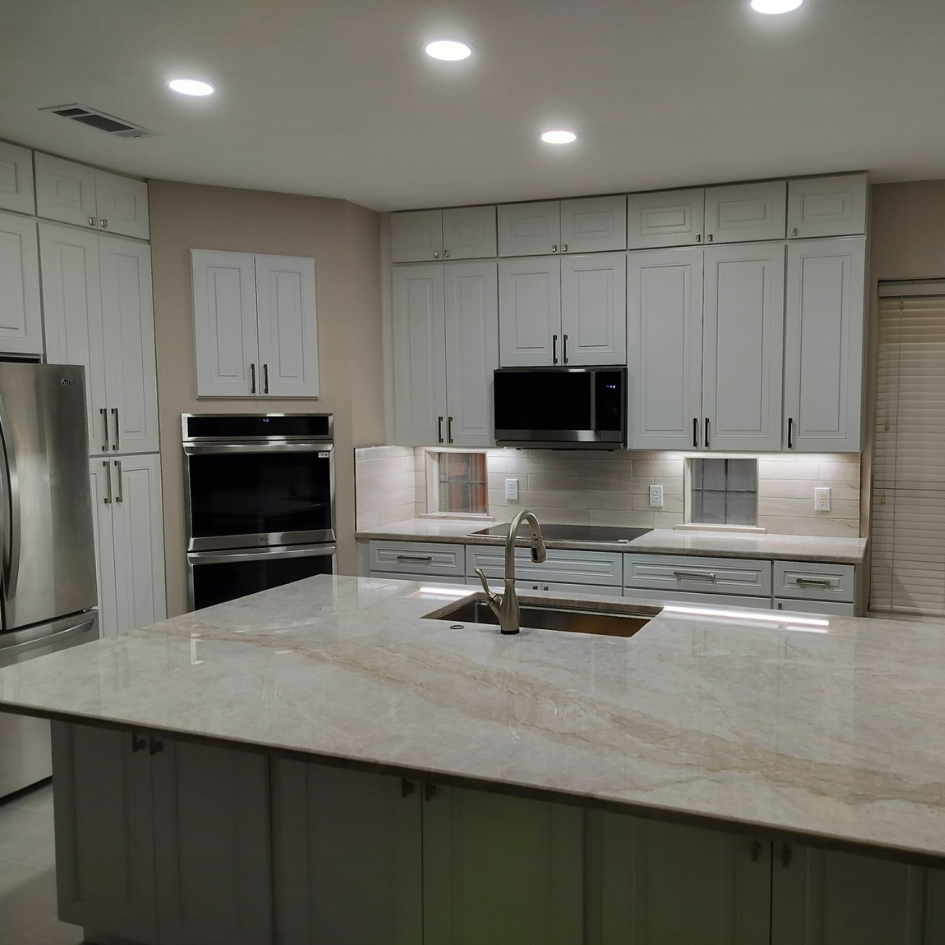
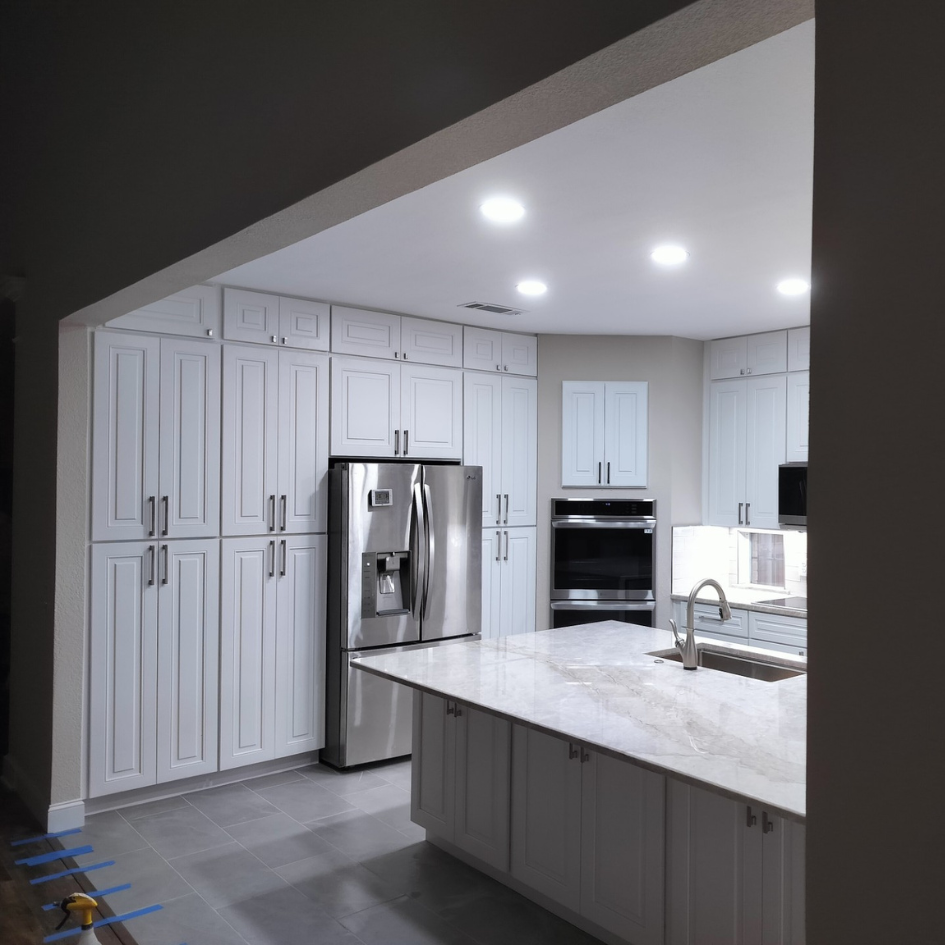
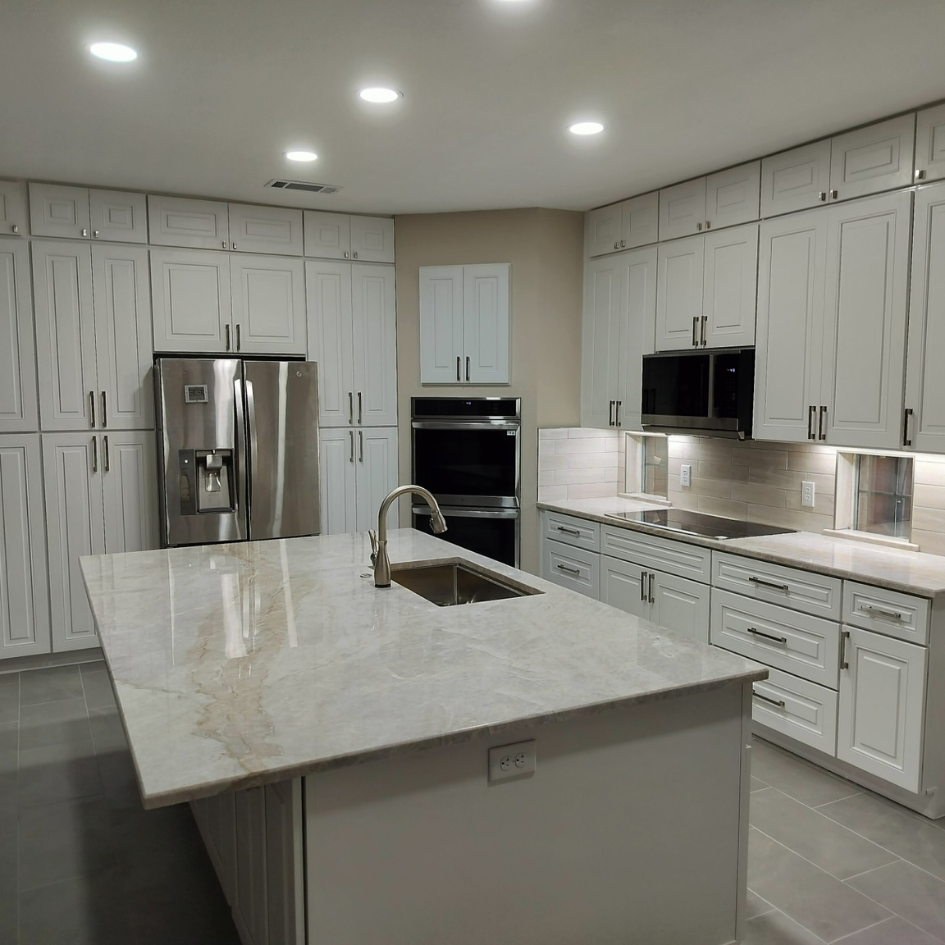
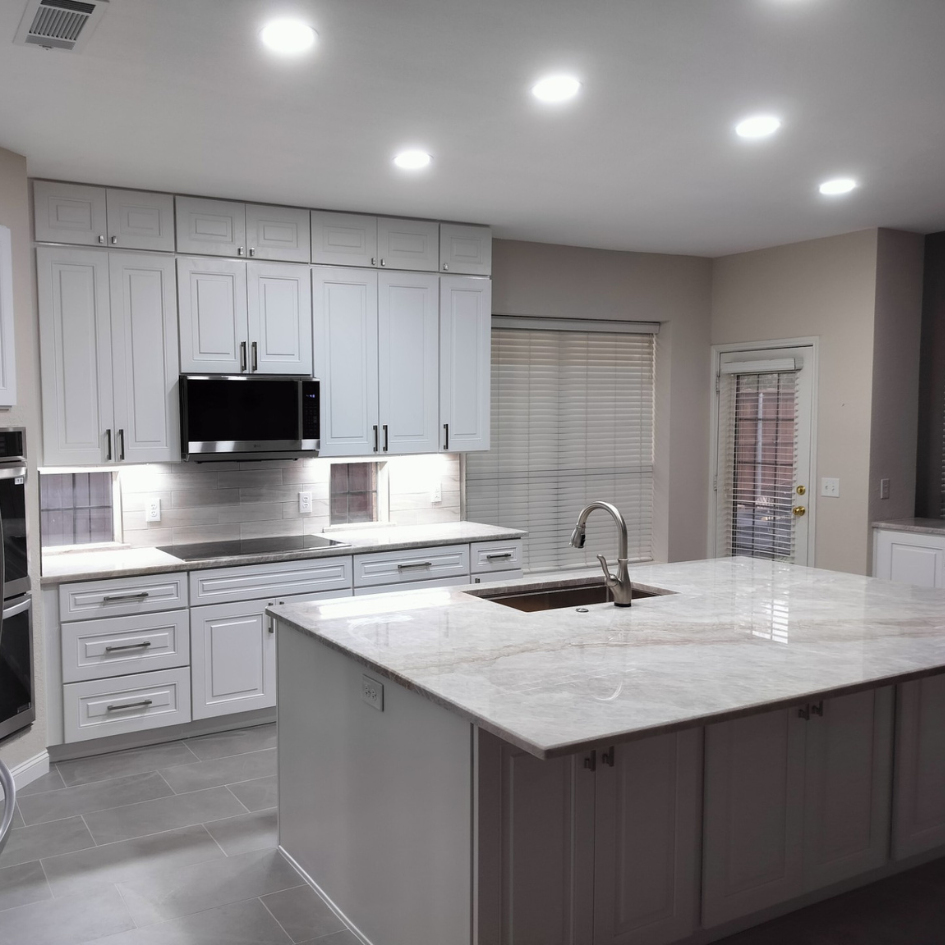
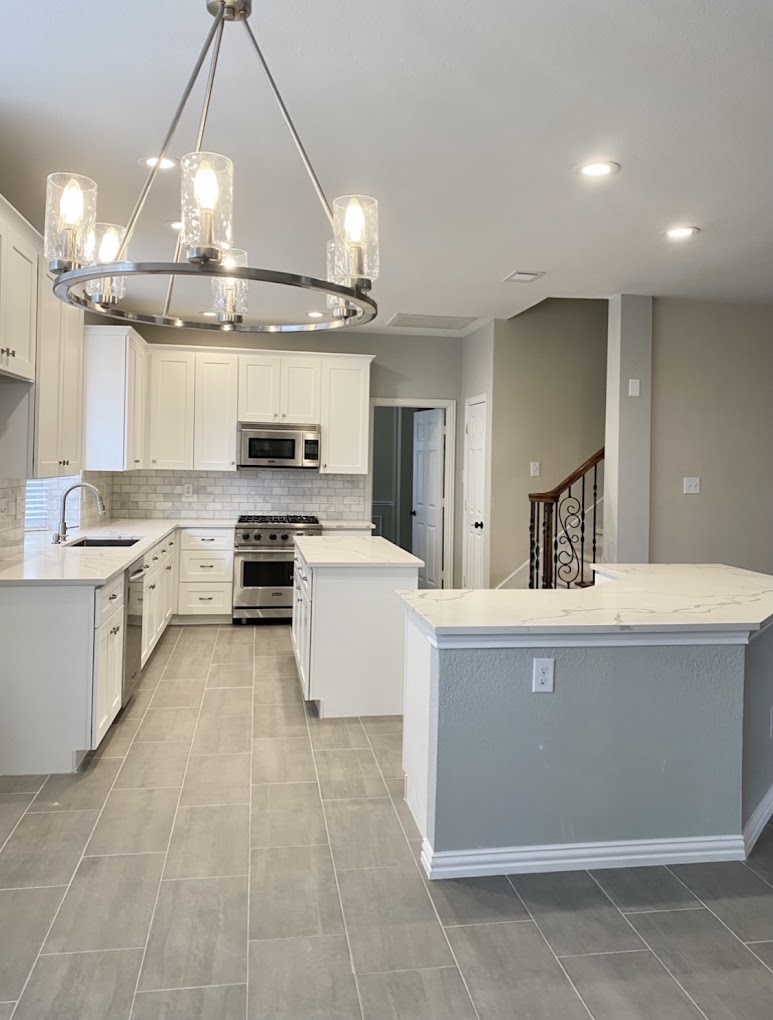
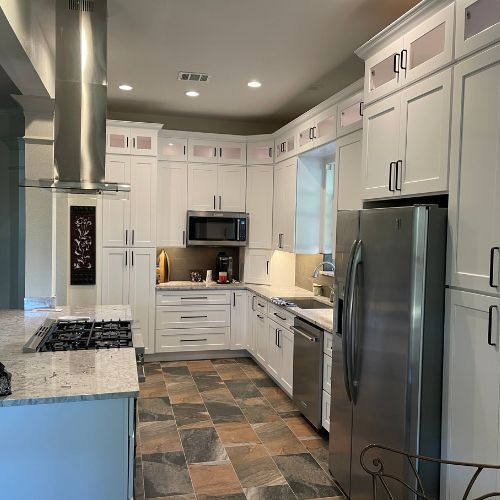
Can I combine an addition with other remodeling projects? Yes, many homeowners in Frisco use an addition project as an opportunity to refresh existing spaces for a cohesive result. For example, expanding the footprint of a kitchen often leads to updating cabinets, countertops, and layouts in the original area as well. Coordinating these projects under one plan can be more efficient than tackling them separately. If you are considering related upgrades like a Custom kitchen remodel, discuss that early in the planning phase so your contractor can design and schedule the work as a unified project.