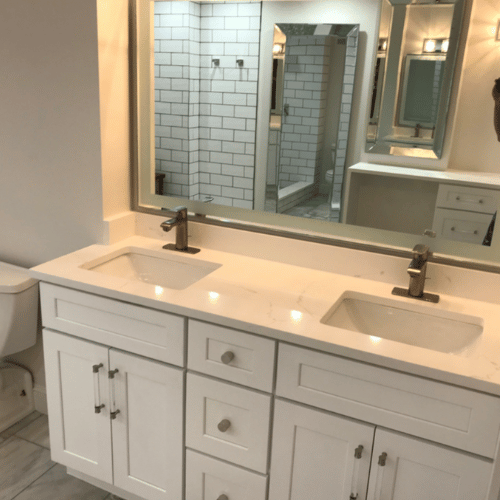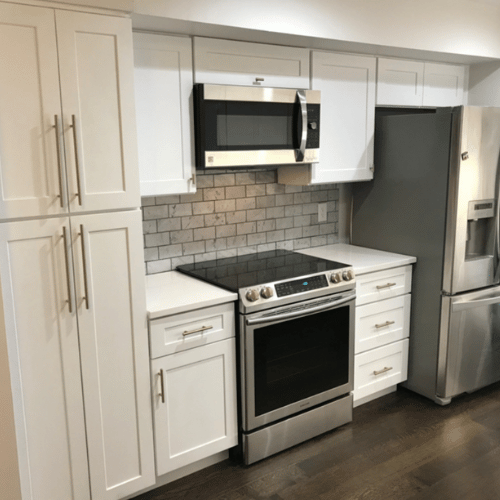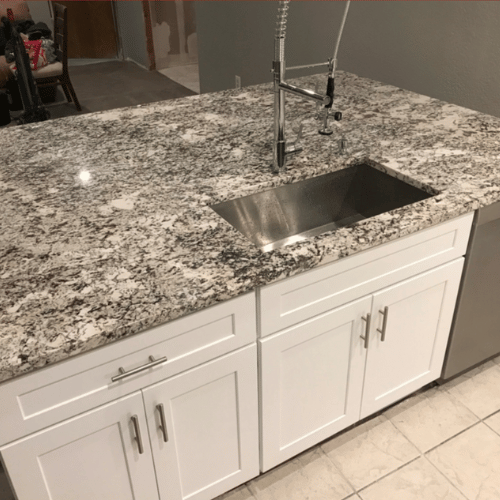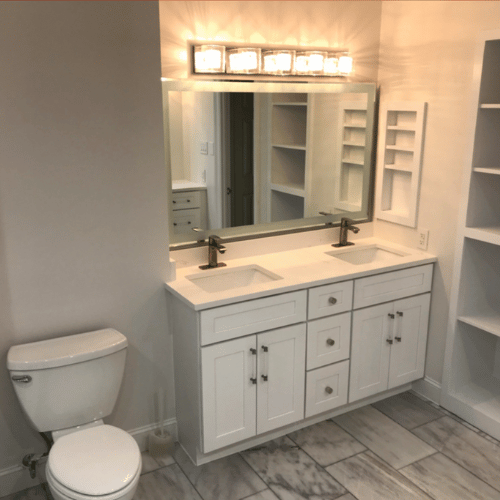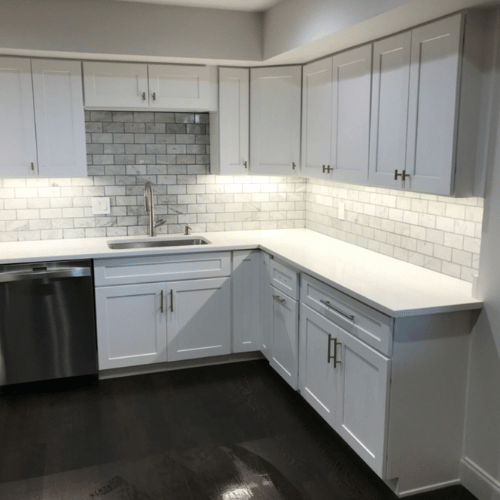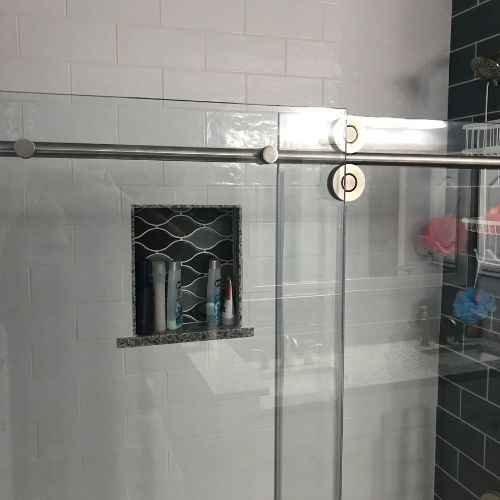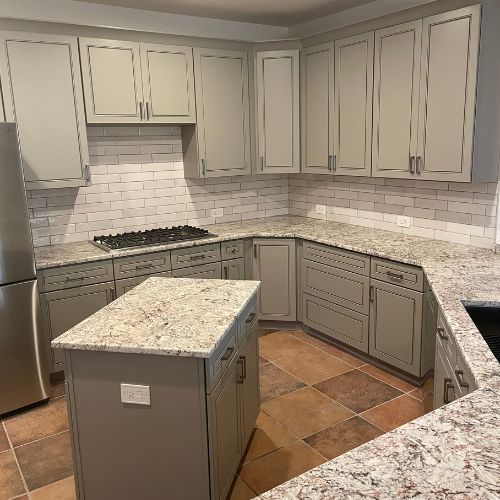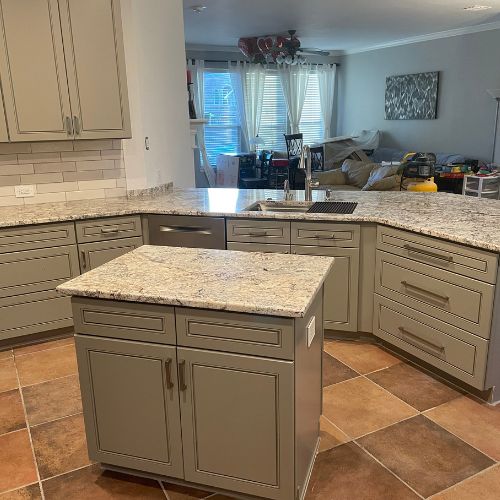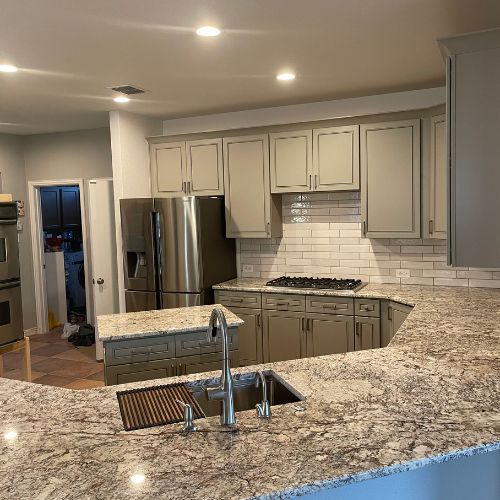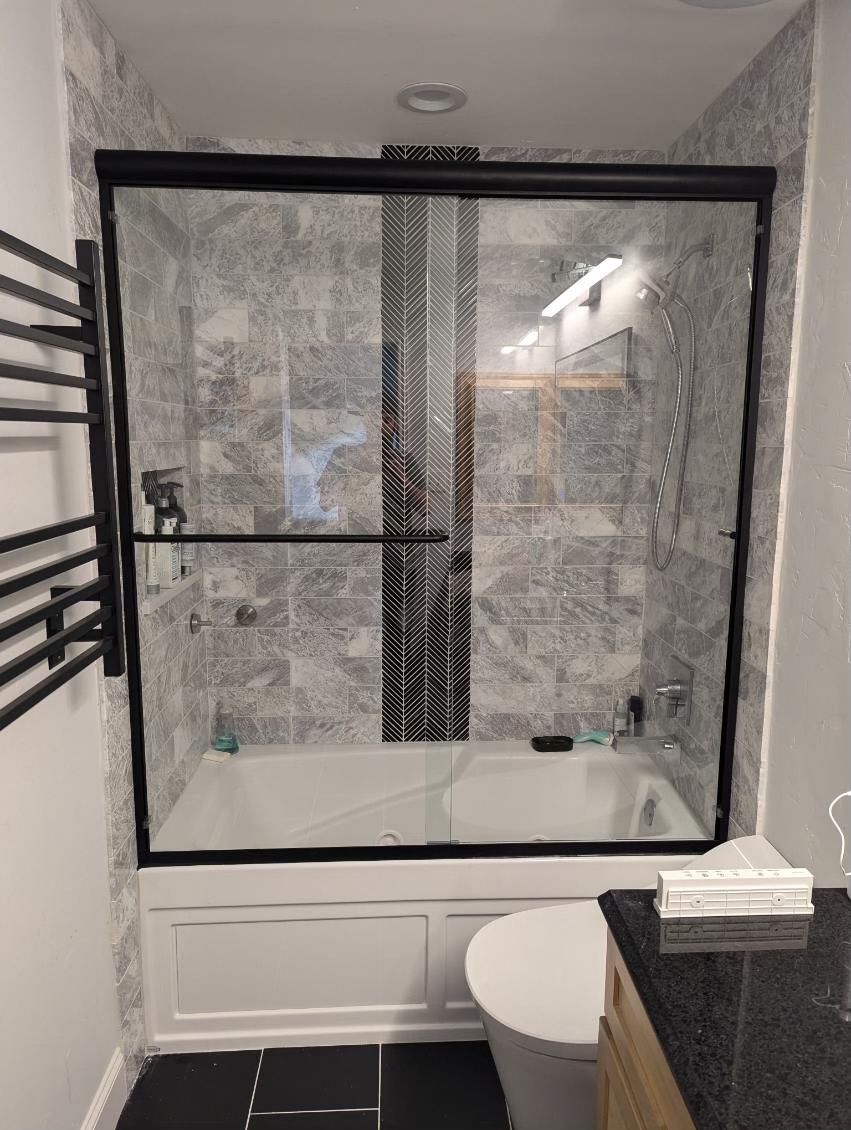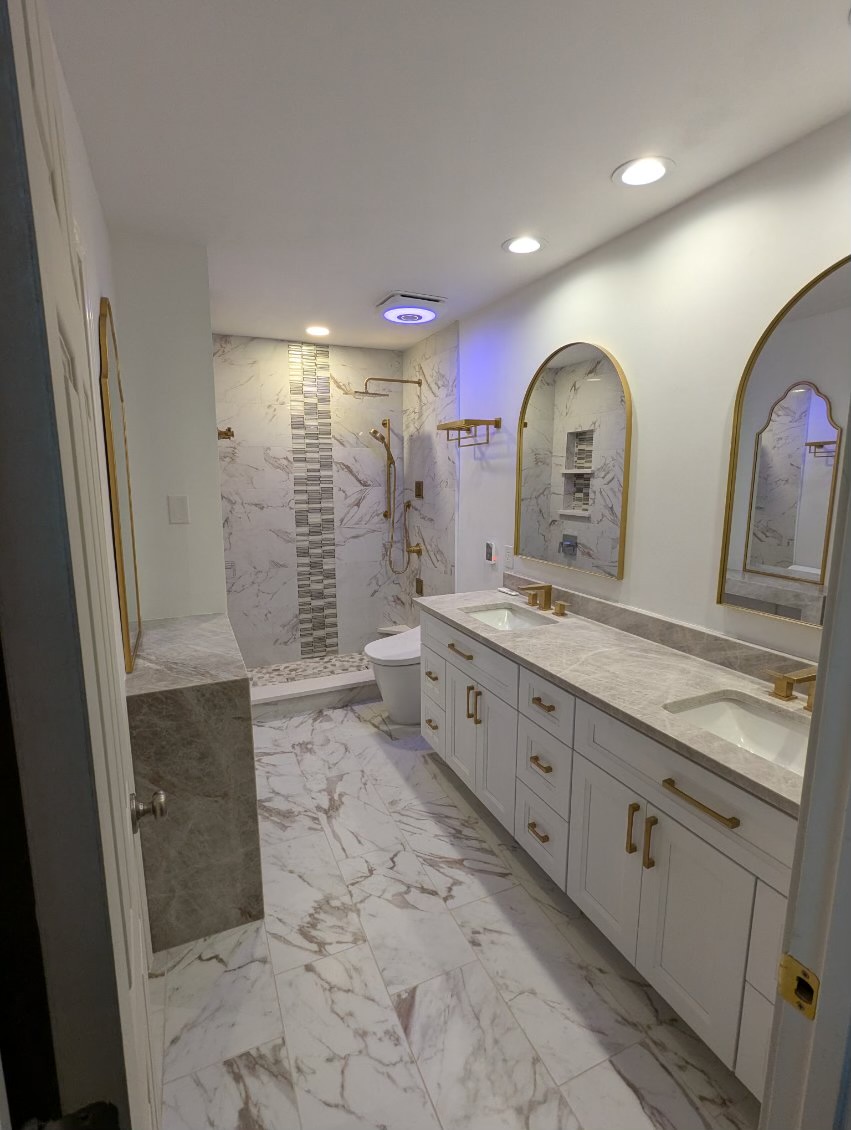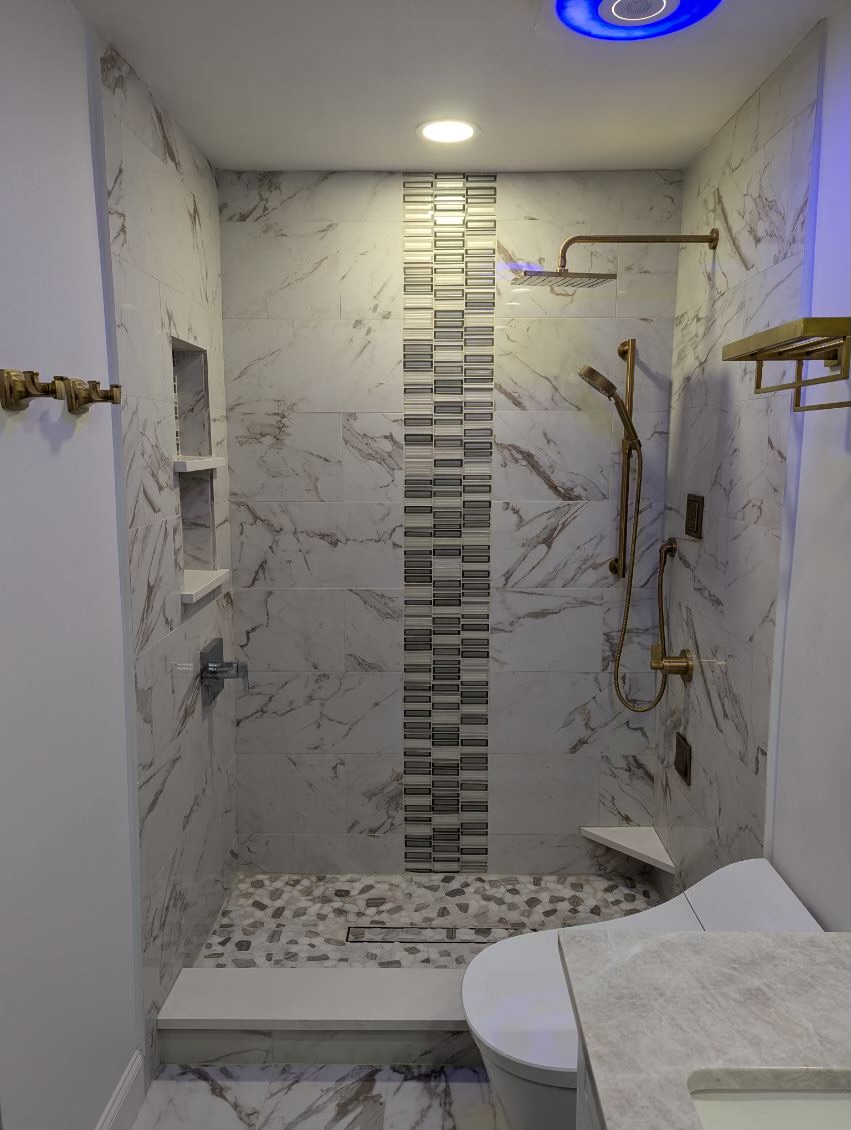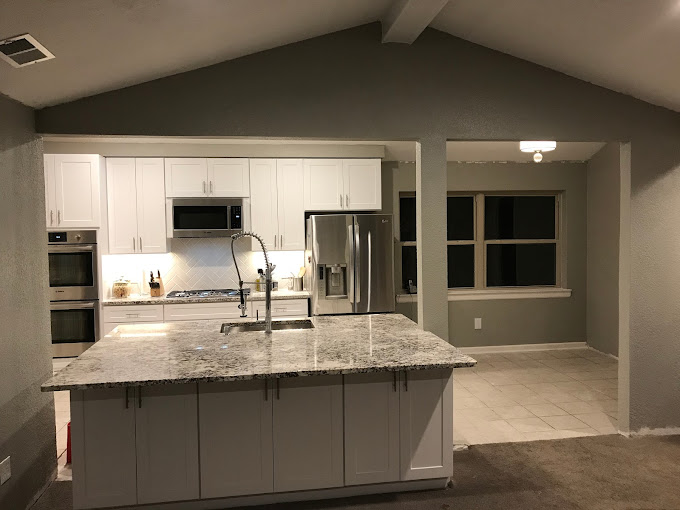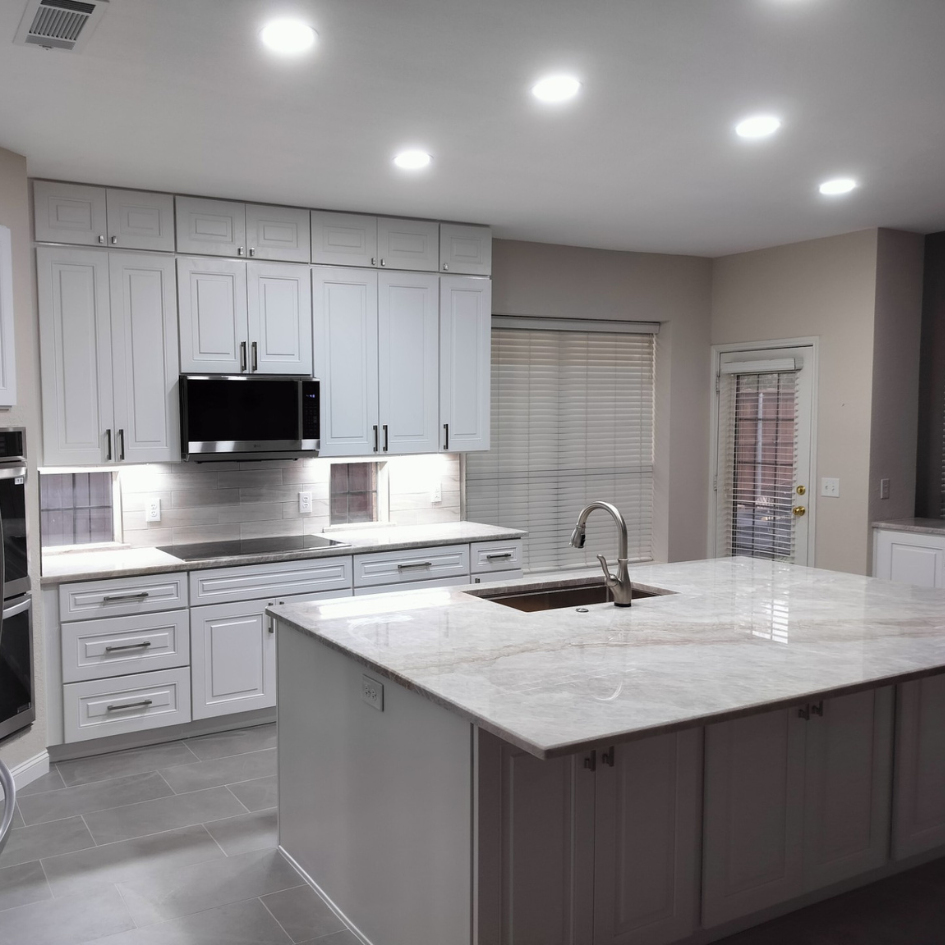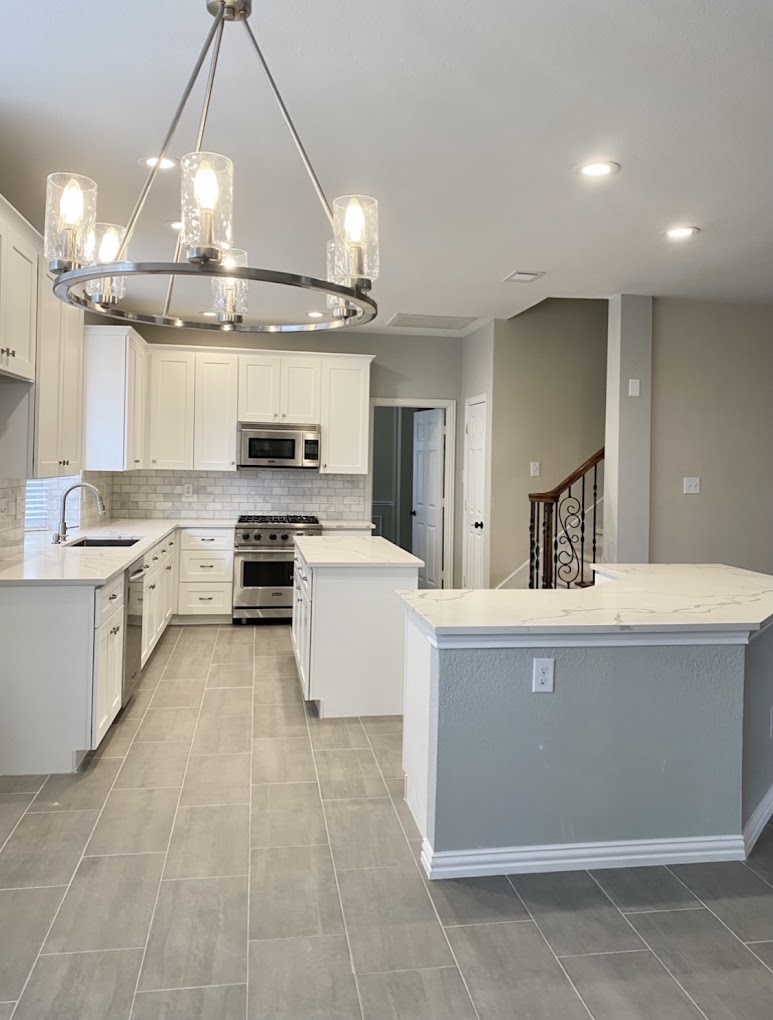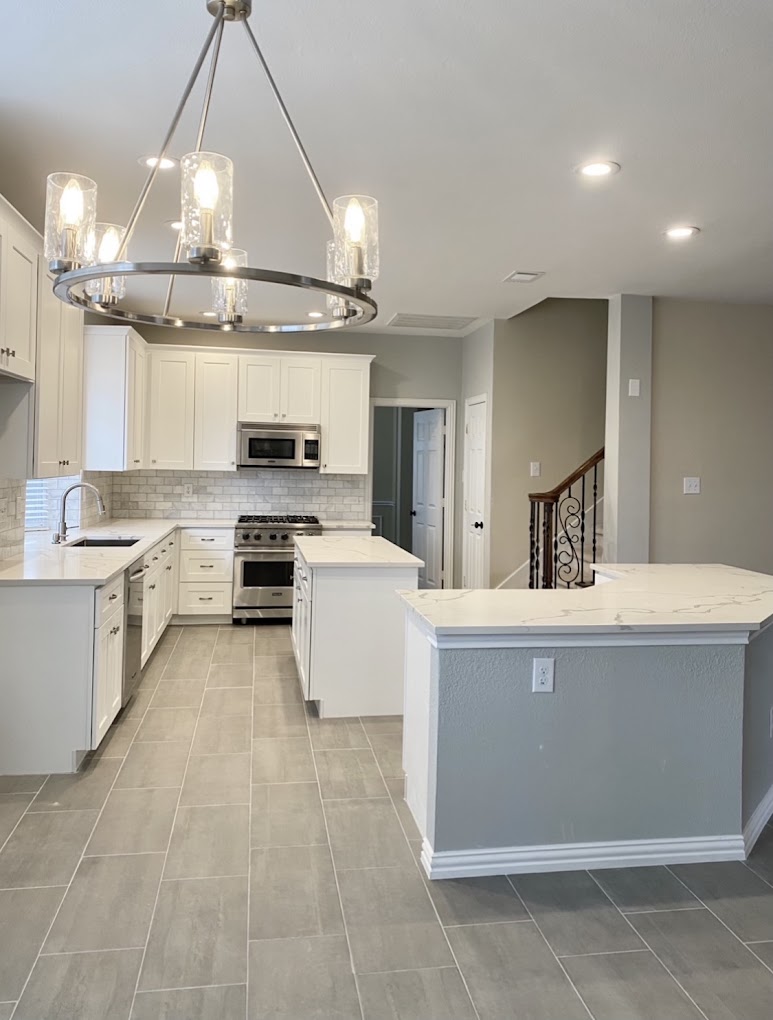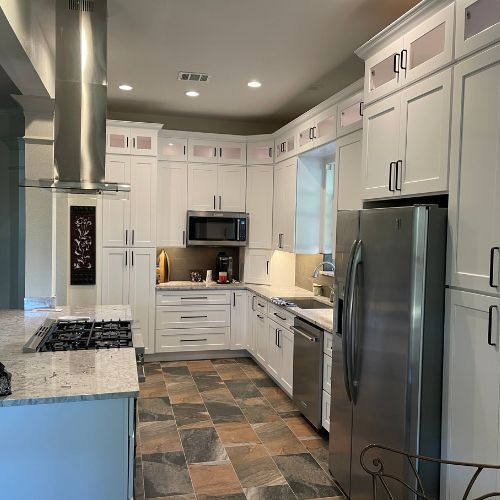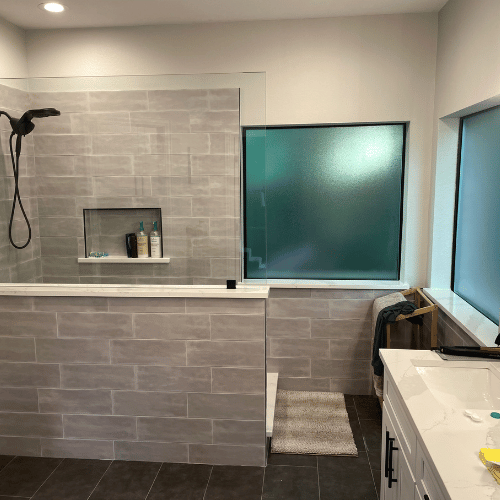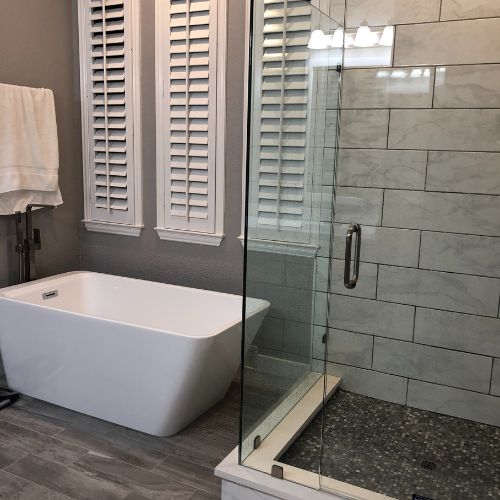
Most people think a full home renovation is simply about picking new finishes, knocking down a couple of walls, and upgrading whatever looks outdated. The mistake is treating each room like a separate project instead of part of a larger, connected experience. You see it all the time: a sleek, modern kitchen bolted onto a traditional living room, or a spa-like bathroom that feels completely disconnected from the rest of the house. The result is a home that looks renovated, but doesn’t feel harmonious. It’s a patchwork, not a symphony.
Creating harmony with a full home renovation is less about buying the “right” products and more about orchestrating how space, light, movement, and function work together. In a place like Frisco, TX, where homes often feature open floor plans, large windows, and multipurpose spaces, that orchestration matters even more. A truly harmonious renovation by a team like Red River Renovations isn’t just a visual upgrade; it’s a rethinking of how your home supports your daily routines, your downtime, your gatherings, and your future plans. Harmony means the kitchen no longer fights the family room, the entry flows naturally into the rest of the house, and every update feels like it belongs.
When you think about it this way, a full home renovation becomes less about “fixing” flaws and more about aligning your environment with the way you want to live. Instead of chasing trends, you’re building continuity: consistent materials, complementary colors, thoughtful transitions between spaces, and a layout that feels intuitive. This is where homeowners in Frisco can really benefit from working with a renovation partner who understands both design and construction, and who knows how to balance big-picture vision with the tiny details that create true harmony.
Defining Harmony In Your Home
Harmony in a full home renovation starts with clarity: what kind of life are you designing this home to support? Many homeowners jump into tile samples and paint colors without first answering that question. A busy family in Frisco with kids in sports, work-from-home parents, and frequent guests has very different needs than a couple planning to age in place. Red River Renovations often begins by mapping out daily routines, pain points, and future goals. From there, harmony becomes a design principle: every choice either supports that lifestyle or distracts from it.
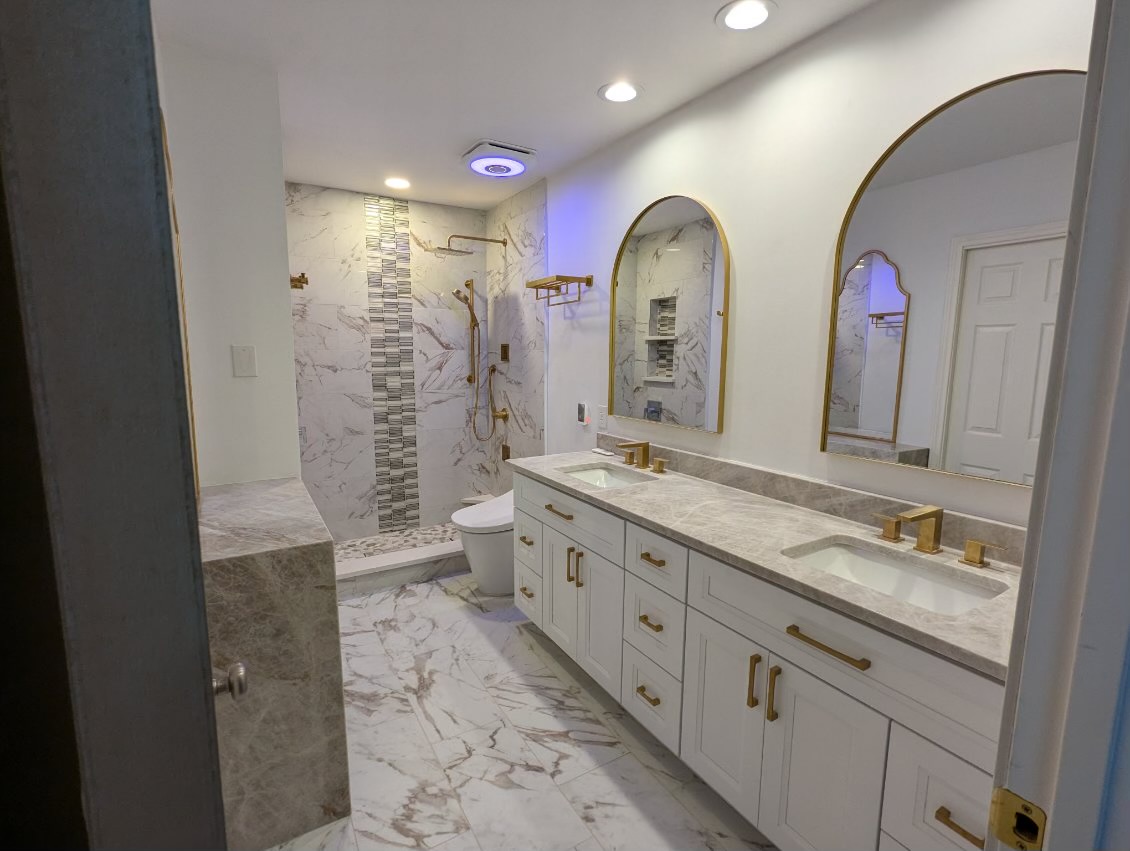
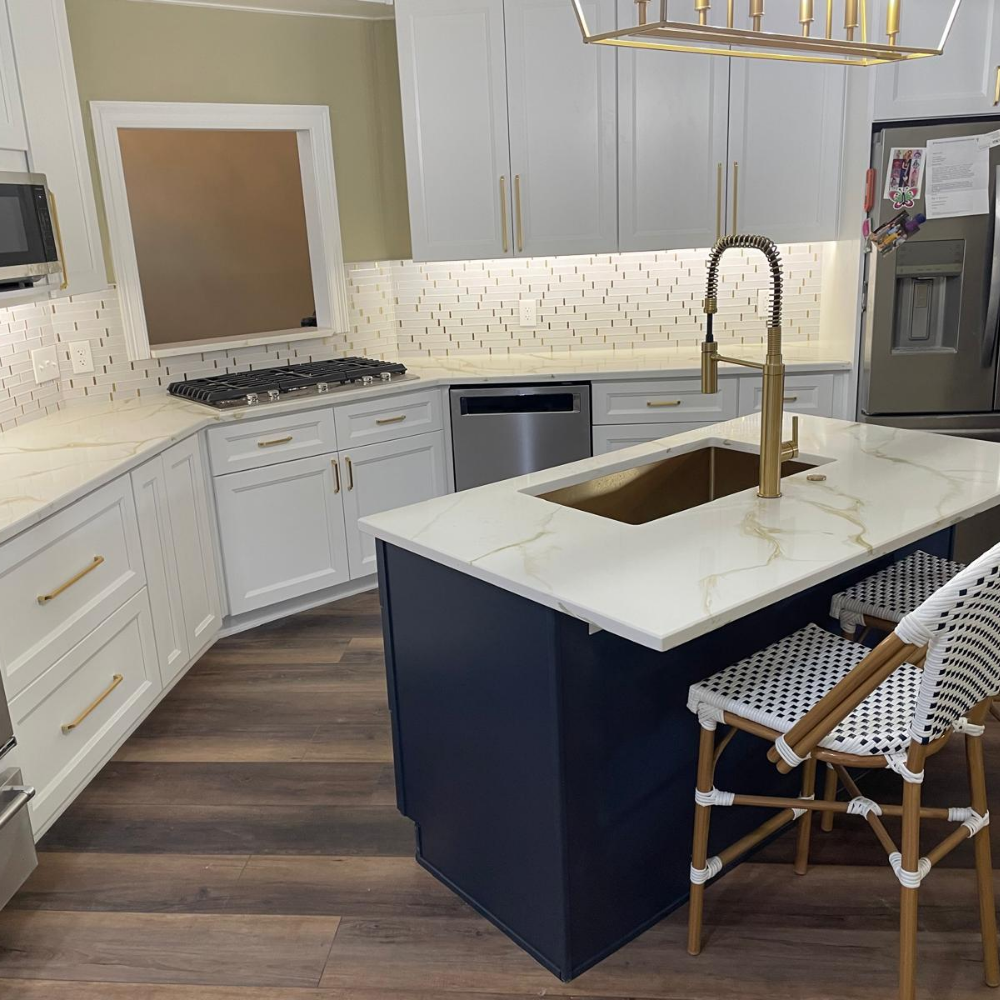
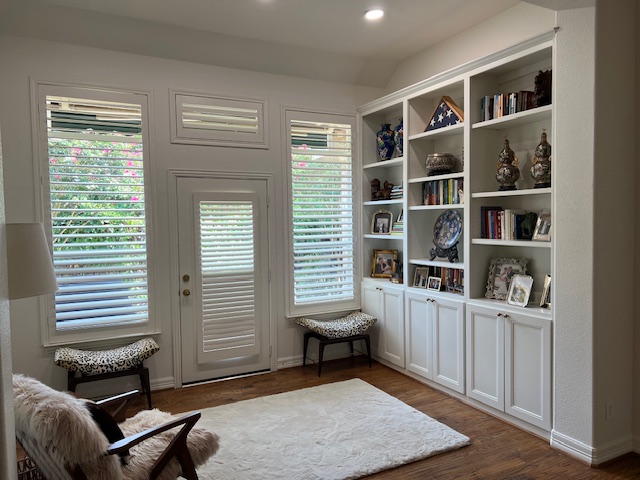
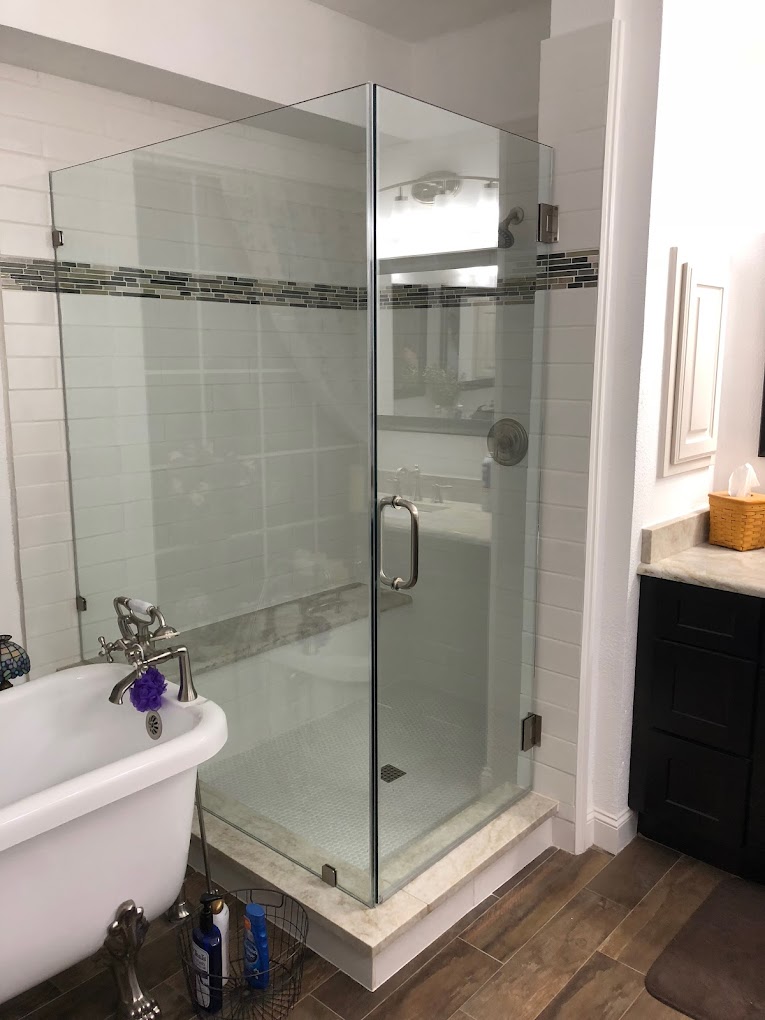
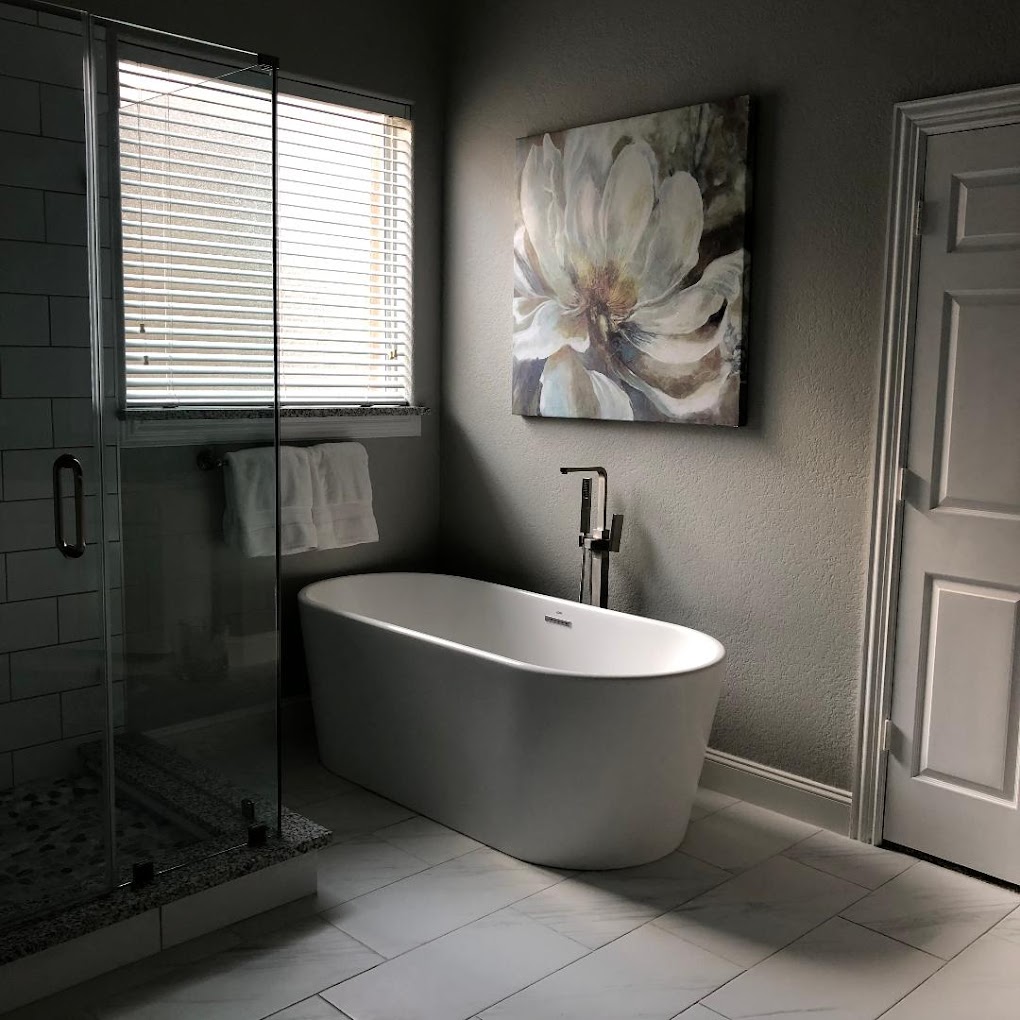
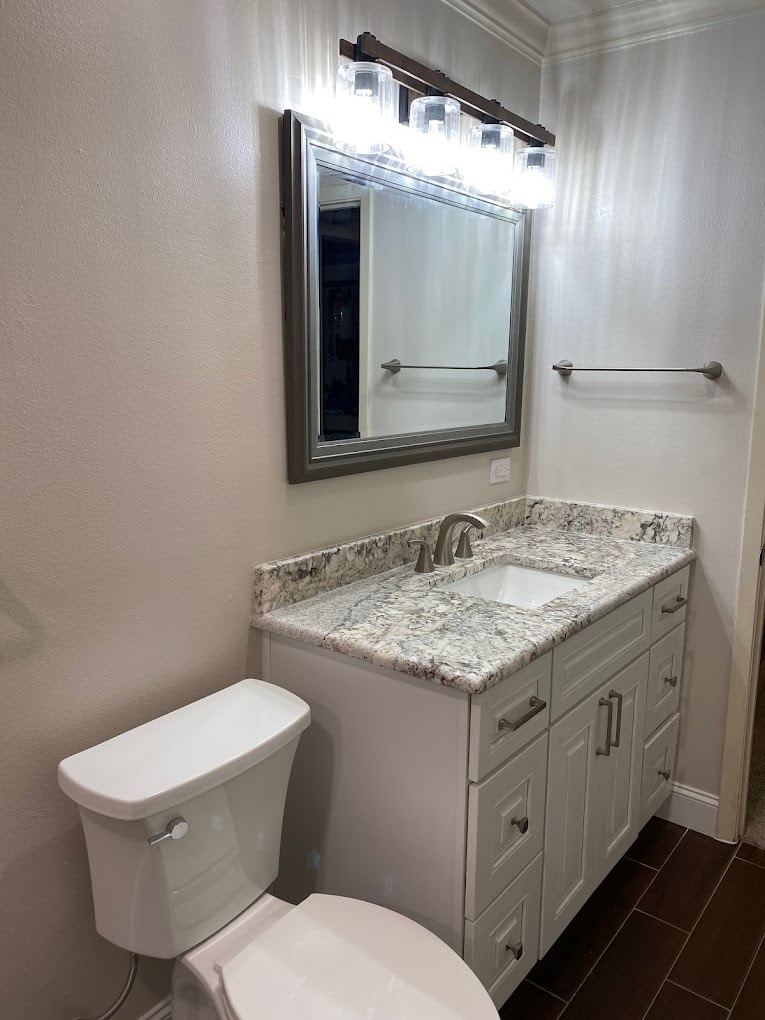
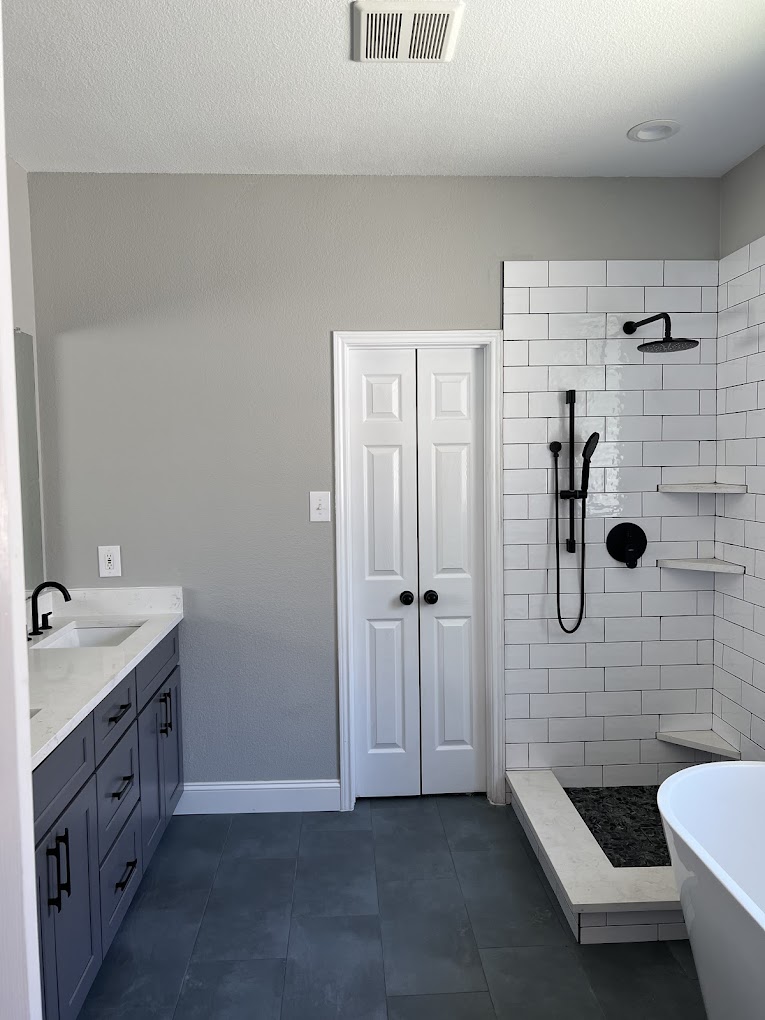
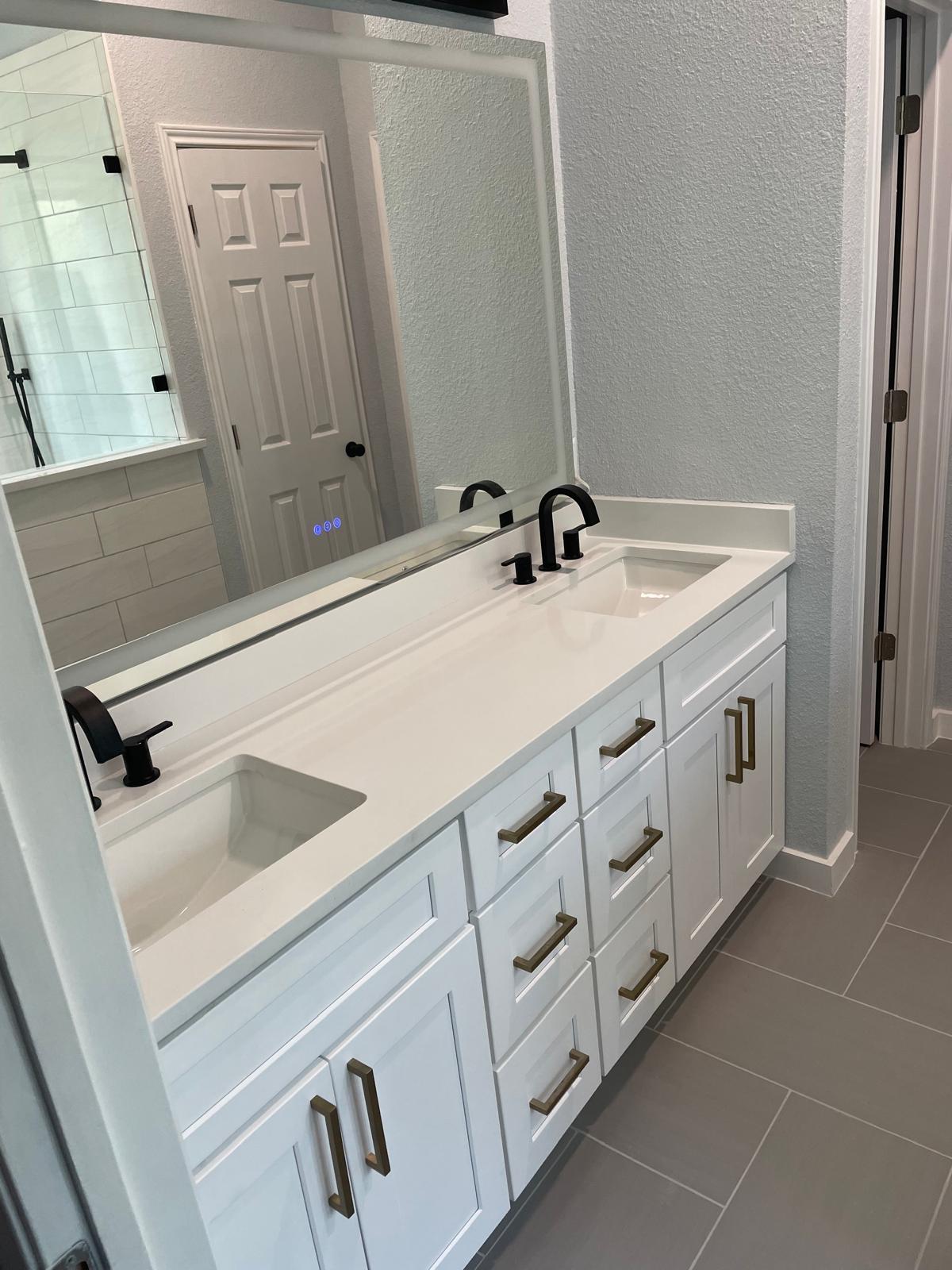
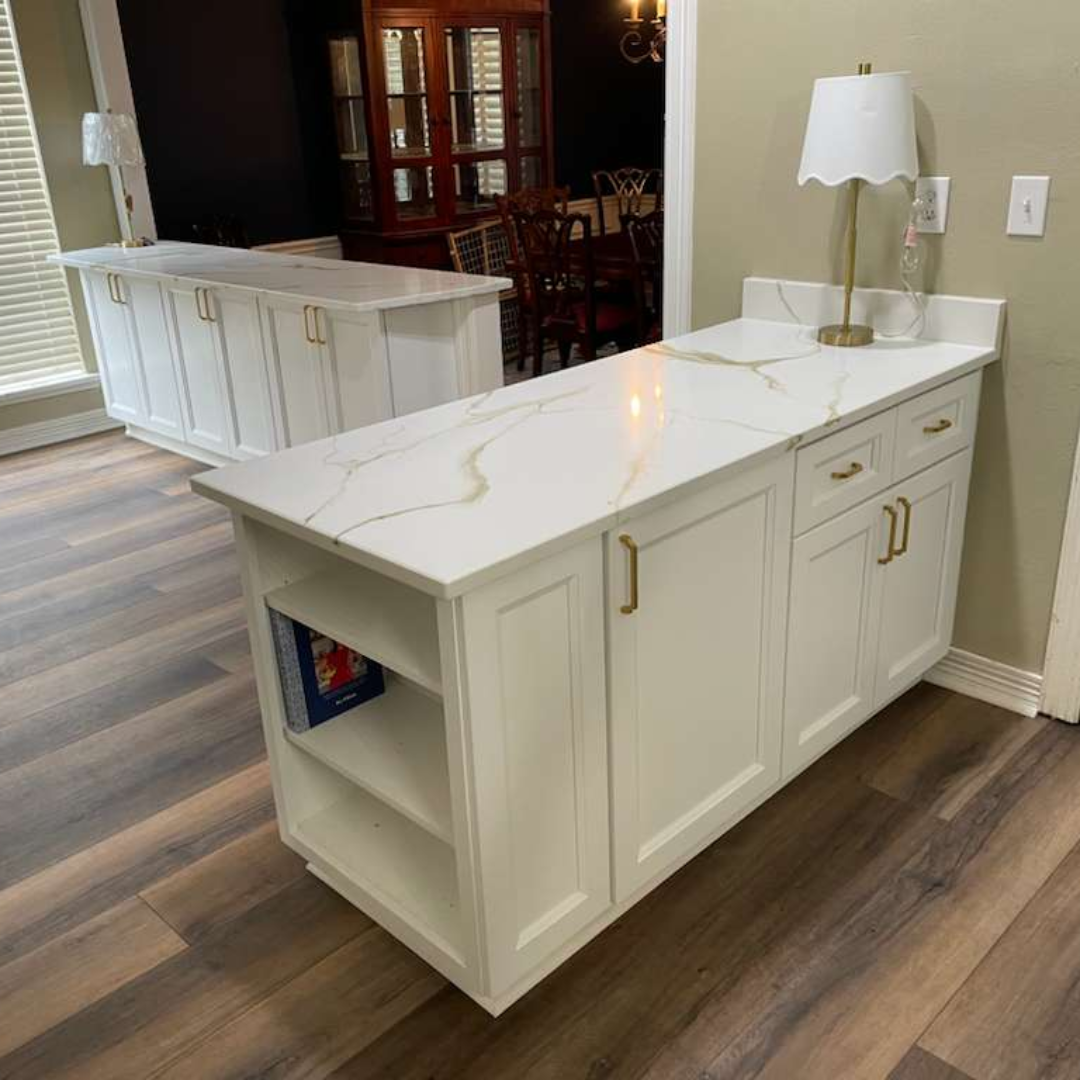
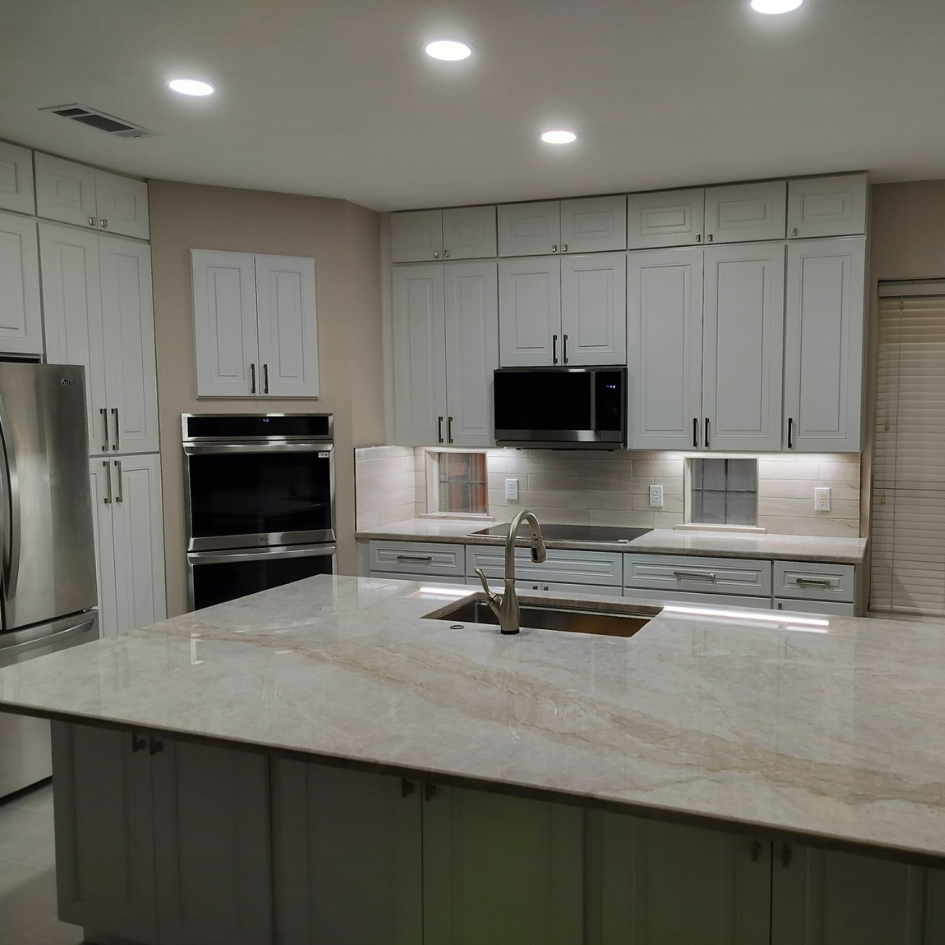
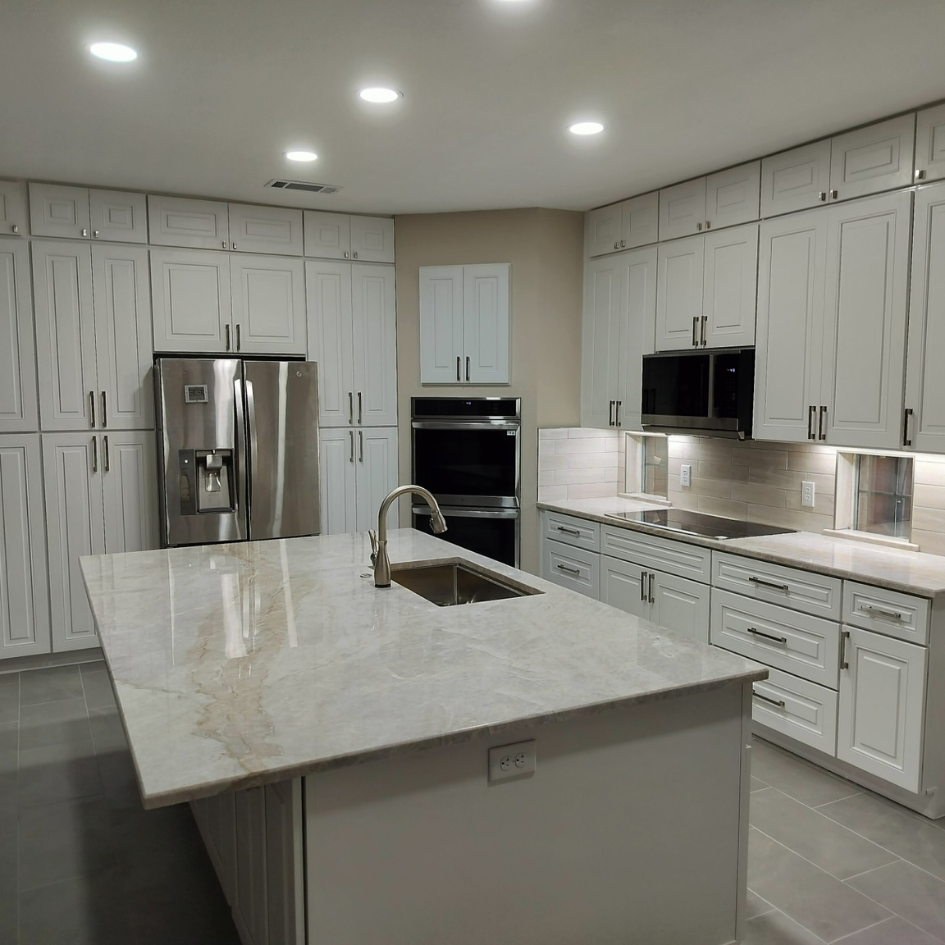
Visual harmony is the part people notice first, but it’s only one layer. It includes a consistent color story that flows from room to room, repeating materials like wood tones or metals, and design elements that appear in subtle variations throughout the home. For example, the black hardware on your kitchen cabinets might echo in your stair railings or bathroom fixtures. The goal is not to make every space identical, but to create a rhythm that feels connected. When you walk from the entry to the kitchen to the primary suite, nothing feels jarringly out of place.
Functional harmony is just as important, especially in Texas homes where open-concept spaces can quickly become chaotic. This is about how rooms relate to one another and how traffic moves through the home. Do guests know where to go when they walk in? Does the kitchen support both cooking and casual gathering without collisions? Can someone work from home while others relax nearby without constant noise conflict? A full home renovation gives you the rare opportunity to re-plan these relationships so that the house supports your life instead of working against it.
Planning The Whole-Home Vision
A harmonious renovation in Frisco doesn’t start with demolition; it starts on paper. The planning phase is where Red River Renovations helps homeowners step back and see their property as a single system rather than a series of rooms. This often involves creating a master plan for the entire home, even if not every piece will be executed at once. A master plan outlines layout changes, structural updates, style direction, and future phases so that decisions made today won’t conflict with what you may want to do in five years.
One of the smartest steps is to establish a design language early. That means agreeing on a general style direction (for example, warm modern, transitional, or Texas contemporary), a base color palette, and a few key materials that will carry through the home. Once these are defined, choices for flooring, cabinetry, lighting, and furnishings become easier and more consistent. You avoid the “every room has its own personality” trap that can make a house feel disjointed. Instead, each space becomes a variation on a theme, contributing to a cohesive whole.
Budget planning is also part of harmony, even though it’s not as glamorous as picking out fixtures. A disorganized budget often leads to cutting corners randomly, which can break the sense of continuity. With a full-home perspective, you can decide where to invest heavily (like long-lasting flooring or custom cabinetry) and where to save (such as secondary bathrooms or less-visible areas) without sacrificing the overall feel. In Frisco, where many homes are long-term investments, aligning the budget with both resale value and daily comfort is crucial.
Flow, Layout, And Everyday Comfort
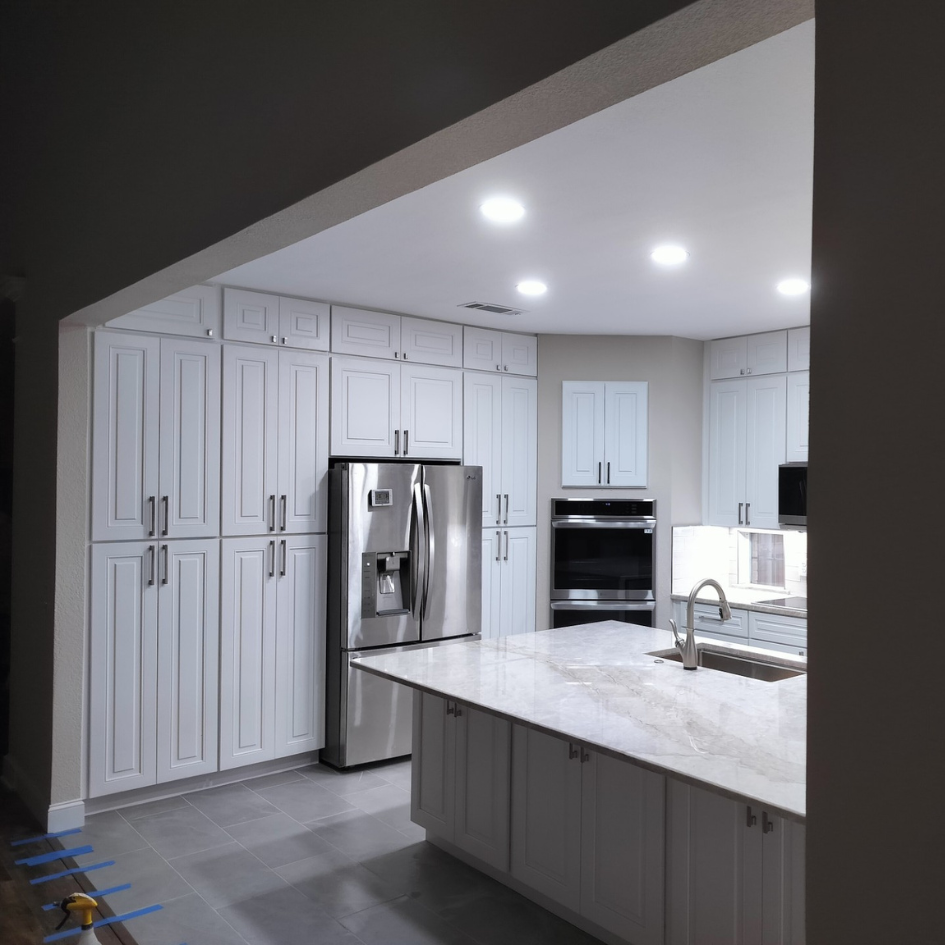
Layout is where harmony becomes tangible. In many North Texas homes, original floor plans were designed for a different era: formal dining rooms no one uses, closed-off kitchens, or awkward hallways. A full home renovation is the chance to correct those mismatches and create flow that feels natural. Instead of forcing your lifestyle to fit the old layout, the layout is reshaped to fit your life. This might mean opening up walls between the kitchen and living area, reconfiguring the primary suite, or relocating laundry to a more logical spot.
Traffic patterns are a huge piece of this puzzle. Think about how you move through your home on a typical day: where you enter, where you drop bags, how you move from kitchen to pantry, or from bedroom to bathroom. Red River Renovations often studies these patterns to eliminate bottlenecks and awkward transitions. Aligning doors, widening openings, or shifting the position of key elements can dramatically change how calm or chaotic a home feels. In a family home in Frisco, small layout tweaks can mean fewer collisions in the morning rush and a more relaxing evening flow.
Comfort also comes from creating distinct but connected zones. An open-concept main floor, for example, can easily become too loud and visually busy. Harmony doesn’t mean making every space open; it means balancing openness with definition. Strategic use of half walls, ceiling treatments, flooring changes, or built-in storage can subtly define areas for cooking, dining, and relaxing without closing them off completely. When done well, you get the best of both worlds: sightlines and togetherness, plus enough separation for comfort and function.
Materials, Color, And Light Working Together
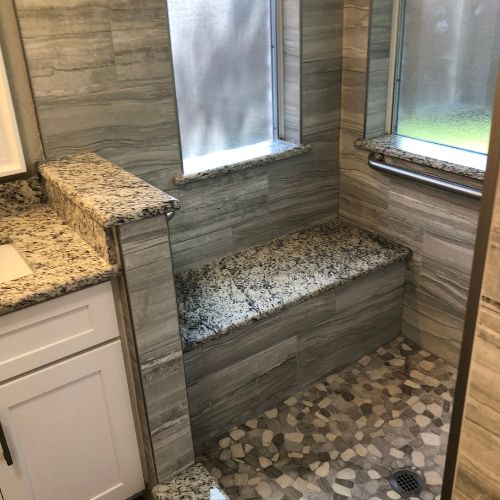
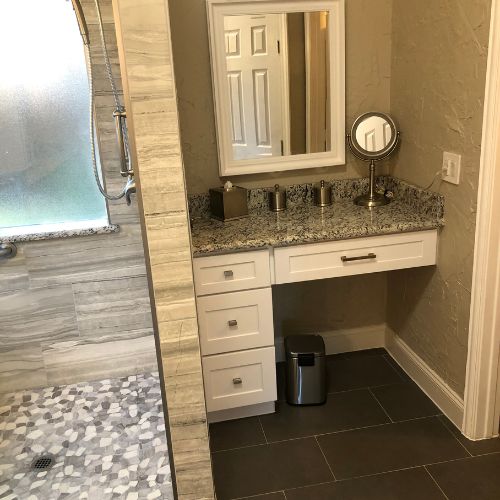
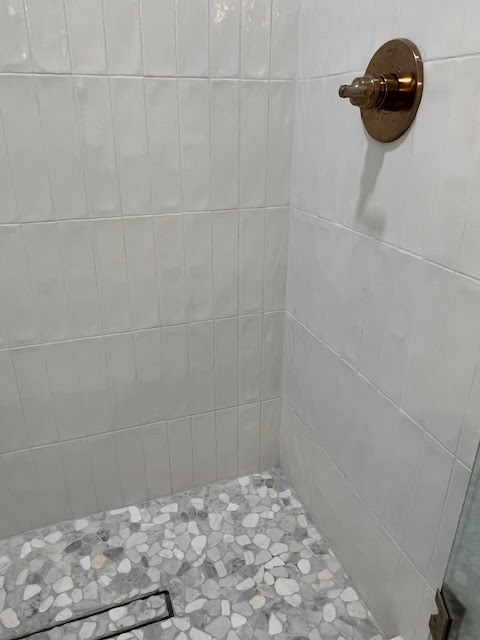
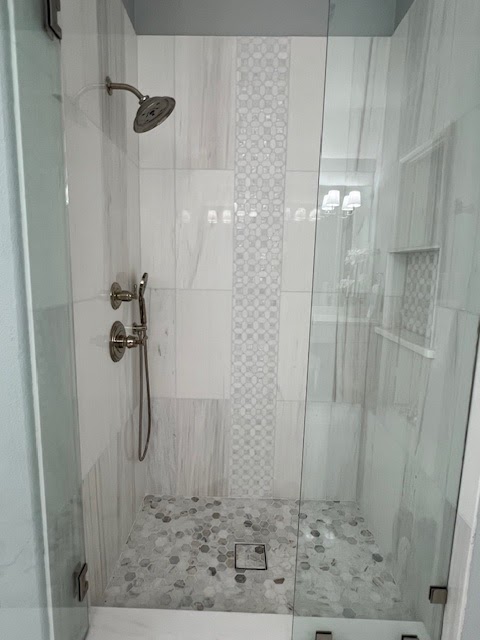
Once the layout is right, harmony is refined through materials, color, and lighting. In a full home renovation, these choices should be coordinated as a system rather than made room by room. For example, selecting one primary flooring material for most of the home, such as engineered hardwood or luxury vinyl plank, immediately creates continuity. From there, you might introduce a complementary tile in bathrooms or the laundry room that echoes the tones of the main flooring. The idea is to let the eye travel smoothly, not jump from one completely different look to another.
Color is one of the most powerful tools for harmony. In Frisco’s bright Texas light, colors can shift dramatically throughout the day, so testing them in multiple rooms is essential. Many designers use a palette approach: a primary wall color that appears in most common areas, a secondary color for accent spaces, and a small set of accent colors used sparingly. Red River Renovations often helps homeowners choose finishes that feel warm and welcoming but still fresh, avoiding the trap of picking trendy colors that will feel dated quickly. Repeating these tones in cabinetry, textiles, and decor makes the home feel intentionally composed.
Lighting is the final layer that ties everything together. A harmonious lighting plan considers natural light, general lighting, task lighting, and accent lighting as a unified scheme. For instance, the style and finish of fixtures might shift slightly from room to room, but they still relate to one another. Dimmers, layered light sources, and consistent color temperature bulbs prevent the home from feeling like a series of separate vignettes. In open spaces, coordinating pendant lights, recessed lighting, and under-cabinet lighting can transform the atmosphere from harsh and scattered to soft and cohesive.
Balancing Personality With Consistency
One fear many homeowners have is that pursuing harmony will make their home feel generic or “too matchy.” Harmony is not about stripping away personality; it’s about giving your personality a clear stage. The trick is to keep the permanent elements (floors, trim, doors, major tilework) relatively cohesive, while using flexible items (furniture, art, textiles) to express your unique style. This way, the bones of the house maintain consistency, while the layers on top can evolve over time without breaking the overall flow.
Different zones of the home can absolutely have different moods, as long as they still speak the same visual language. A kid’s bedroom in Frisco might be more colorful and playful than the main living area, but it can still share common elements: similar door styles, matching baseboards, or a recurring metal finish. In the primary suite, you might lean more serene and muted, but echo a pattern or wood tone from the main floor. Red River Renovations often helps clients identify a few “threads” that run through every room so the home feels personal yet unified.
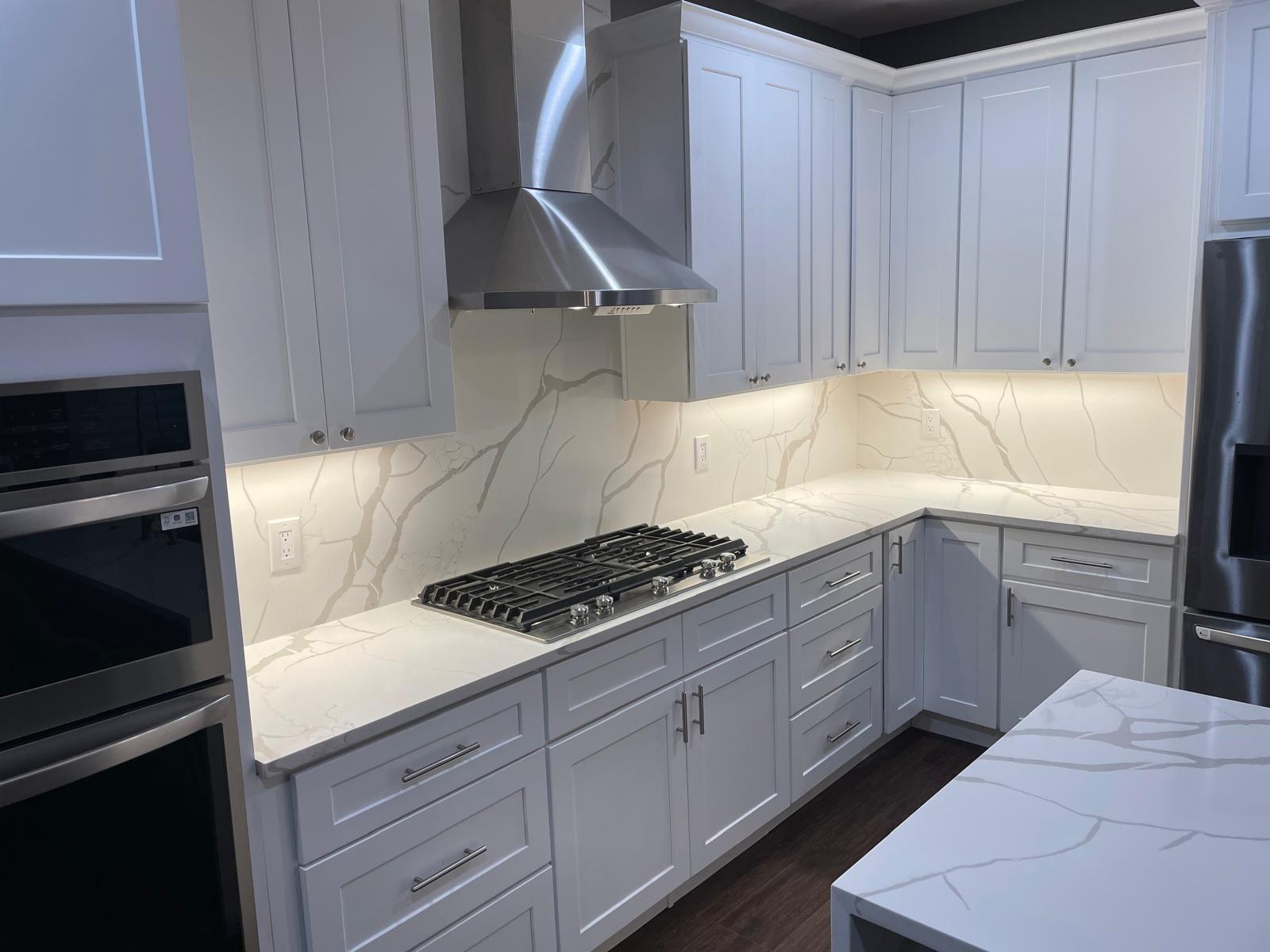
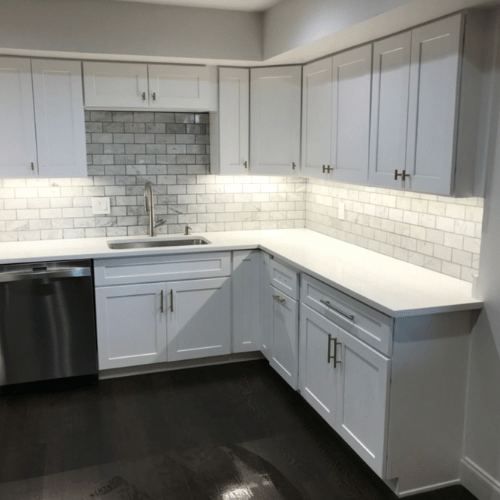
Another way to keep harmony while honoring individuality is through curated focal points. Not every wall or corner needs to make a statement. Instead, pick specific places to go bold: a feature wall in the dining area, a stunning kitchen backsplash, or a dramatic light fixture in the entry. When those focal points are placed within a cohesive backdrop, they stand out in a way that feels intentional, not chaotic. Your home becomes a calm canvas with moments of excitement, rather than a visual competition between every room.
Working With A Local Renovation Partner
Creating harmony across an entire home is complex, which is why partnering with a knowledgeable, local team matters. In Frisco, TX, that means working with a company like Red River Renovations that understands the local architecture, builder styles, HOA requirements, and the way homes are actually used in this community. A national trend might look great online, but not make sense for the layout or construction style of your specific house. Local experience helps filter those ideas into what will actually work long-term.
A professional renovation partner also coordinates the technical side of harmony: structural changes, mechanical systems, and building codes. For example, removing a wall to improve flow must be balanced with load-bearing requirements, HVAC distribution, and electrical rerouting. When these behind-the-scenes elements are handled thoughtfully, you avoid the “afterthought” look of visible ductwork, random soffits, or mismatched vents that can disrupt a clean design. True harmony reaches all the way into the infrastructure of the home.
Finally, a good renovation team manages the process in a way that keeps your life as harmonious as possible during construction. Phasing work, protecting finished areas, and clear communication all contribute to a smoother experience. For homeowners in Frisco juggling busy schedules, kids’ activities, and work, having a contractor who respects both your time and your vision makes a tremendous difference. The end result is not just a better-looking house, but a home that feels calmer, more functional, and more aligned with who you are.
Frequently Asked Questions
How do I start planning a harmonious full home renovation? Begin by stepping back from individual rooms and thinking about your home as a whole. List your daily routines, the spaces that frustrate you, and the experiences you want your home to support (entertaining, working from home, aging in place, etc.). Then, work with a renovation team like Red River Renovations to develop a master plan that outlines layout changes, style direction, and a cohesive color and materials palette. This plan becomes your roadmap, helping you make consistent decisions instead of reacting room by room.
Can I renovate in phases and still keep harmony? Yes, as long as you start with a big-picture design strategy. Many Frisco homeowners choose to renovate in stages for budget or lifestyle reasons. The key is to define the overall look, layout goals, and material choices upfront. That way, when you update the kitchen this year and the bathrooms later, everything still feels connected. A solid master plan prevents you from making choices now that you’ll regret or need to undo in future phases.
How do I choose colors that work throughout the whole house? Start with a small, coordinated palette instead of picking each room independently. Typically, you’ll want one main neutral for most walls, one or two complementary neutrals, and a handful of accent colors. Test these colors in different rooms and lighting conditions, especially in Frisco’s bright natural light. Then repeat them in different ways across spaces: wall color in one room might become cabinet color in another, or an accent color in textiles elsewhere. This repetition creates a sense of harmony without making everything look identical.
What if my partner and I have different design tastes? Differing tastes are common, and they don’t have to derail harmony. A renovation professional can help you find a shared middle ground, such as a transitional style that blends traditional and modern elements. The strategy is to identify overlapping preferences—certain wood tones, metal finishes, or color families—and use those as the foundation. Then, layer in each person’s preferences in specific areas or accents. The consistent base keeps the home cohesive, while the details reflect both personalities.
Do basements or bonus spaces need to match the rest of the house? They don’t have to match exactly, but they should still feel related. For example, a media room or game room can have a more relaxed or dramatic vibe, yet share similar trim profiles, flooring tones, or hardware finishes with the main level. Even if you take a slightly different approach, think of it as a branch of the same design family. Whether you’re considering a full main-level renovation or exploring a future Basement renovation, maintaining a few consistent design threads will help your entire home feel like one coherent, well-thought-out environment.